
Mindfulness & Meditation — 2026-05-31
This week's research reveals meditation's measurable impact on brain fluid dynamics and rapid neural rewiring, while Headspace launches AI-powered wearable integration on Apple Watch. Practitioners are increasingly exploring how brief intensive practices can produce lasting biochemical changes, reshaping expectations around meditation's timeline for results.
Mindfulness & Meditation — 2026-05-31
New Research Worth Knowing
"Neurofluid circulation changes during a focused attention style of mindfulness meditation" — Study by Bryce A. Keating, David Vago, and colleagues (published January 2026)
Neuroscientists have discovered that meditation actively changes how cerebrospinal fluid moves through the brain. The study found that focused attention meditation—where practitioners concentrate on breath or a single object—alters fluid dynamics in ways distinct from simple relaxation. This is significant because cerebrospinal fluid bathes the brain in nutrients and clears metabolic waste. The finding suggests meditation may enhance brain health at a cellular level by improving this "cleanup" process.
Actionable takeaway: Focus on breath-centered meditation (following inhales and exhales) rather than open awareness practices if your goal is maximizing neural efficiency.
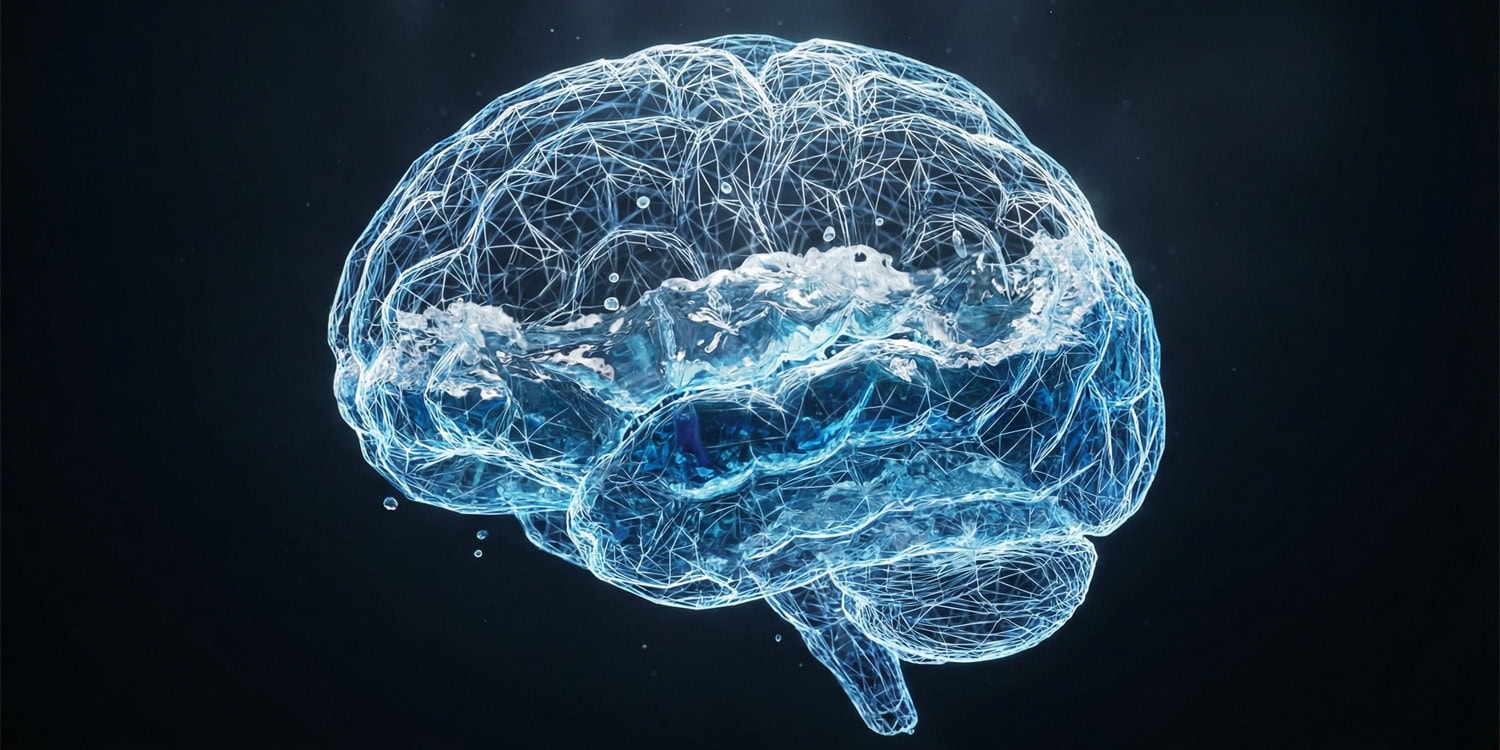
"A single week of intensive meditation and mind-body practices led to measurable changes across the brain and body" — ScienceDaily (April 7, 2026)
A landmark study found that just seven days of intensive meditation and mind-body practices produced observable improvements in brain efficiency, boosted immune signaling, and increased production of endogenous opioids—the body's natural pain-relief chemicals. Participants underwent structured retreat-style practice, and changes were detectable through neuroimaging and biomarkers.
This challenges the notion that meditation requires months of daily practice to show results. Sample size and specific institution not disclosed in available summary, but the findings align with emerging evidence on accelerated neuroplasticity during immersive practice.
Actionable takeaway: Consider a dedicated retreat or intensive week if you're looking for rapid, measurable shifts; daily 10-minute sessions are slower but still beneficial for long-term maintenance.
"Scientists uncover meditation's hidden side effects" — ScienceDaily (May 26, 2026)
Recent research from the Association for Psychological Science identified previously under-reported side effects of meditation practice. While the study does not name specific adverse outcomes in the available summary, it signals that meditation—long positioned as universally safe—may carry individual risks for certain populations. The research is timely as meditation use expands clinically for ADHD and other conditions.
Actionable takeaway: If you have a history of dissociation, trauma, or psychosis, consult a therapist before beginning intensive meditation; start with guided sessions that include grounding techniques.

Scientists uncover meditation’s hidden side effects | ScienceDaily
Neuroscientists find evidence meditation changes how fluid moves in the brain
Scientists say 7 days of meditation can rewire your brain | ScienceDaily
Latest News About Meditation
Yoga, meditation improve brain function and energy levels, study shows | ScienceDaily
App & Product Updates
Headspace Debuts AI-Powered Apple Watch App with Heart Rate Nudging (May 2026)
Headspace released a new Apple Watch application that uses biometric data—specifically heart rate variability—to detect when users may be stressed or anxious, then sends real-time nudges to guide them into brief mindfulness moments. According to Fay Kallel, Headspace's Chief Product and Engineering Officer, the app uses wearable sensors to identify optimal windows for practice. This marks a significant shift from user-initiated meditation to AI-triggered, data-driven intervention.
Who benefits: Users already wearing Apple Watch who want passive mindfulness reminders; particularly useful for those who forget to practice during busy workdays.

Headspace Review 2026: Renewed Focus on Anxiety & Stress Efficacy (May 28, 2026)
Simply Psychology published an updated review of Headspace's 2026 offerings, evaluating its claimed effectiveness for anxiety and stress. The review assesses current pricing models and identifies use cases. While not a product launch, this reflects industry-wide validation scrutiny as competitors (Calm, Insight Timer) pressure Headspace to prove clinical outcomes.
Who benefits: Prospective subscribers weighing Headspace against alternatives; users evaluating whether subscription costs align with research-backed mental health claims.
Calm App 2026: Subscription Value Reassessment (May 24, 2026)
Simply Psychology released a comprehensive review questioning whether Calm's subscription model justifies its cost in 2026. The review contextualizes Calm's content library, research backing, and pricing relative to free and lower-cost alternatives. No new features announced, but the review signals market pressure on legacy premium meditation apps.
Who benefits: Current and prospective Calm users re-evaluating subscription ROI; budget-conscious practitioners exploring free alternatives like Insight Timer.
Practice Guidance from Teachers
"On Mindful Democracy: A Declaration of Interdependence to Mend a Fractured World" — Jeremy David Engels, Tricycle Magazine (May 2026)
Scholar and teacher Jeremy David Engels argues that democracy depends on inner cultivation as much as policy. His new book positions political and civic life as fields of practice, no different from a meditation hall. Engels frames mindfulness as a tool for bridging polarization through direct, embodied awareness of interconnection.
Actionable takeaway: This week, extend your meditation practice by noticing one moment of genuine connection with someone whose views differ from yours—treat it as a "micro-practice" in interdependence.
"Silent Underground" — Venerable Bhikkhu Pannakara, Tricycle: The Buddhist Review (March 28, 2026)
Venerable Bhikkhu Pannakara led a mindfulness walking practice from Texas to Washington, D.C., embodying the principle that transforming oneself transforms others. The piece emphasizes that meditation is not isolated self-improvement but a practice that radiates outward, affecting communities and institutions.
Actionable takeaway: Practice mindfulness in public or shared spaces this week (a park bench, a commute) and notice how your calm presence affects those around you—observe without expectation.

"Insight and Mindfulness" — Four Foundations Curriculum — Lion's Roar Online Learning
Lion's Roar offers structured learning on the Buddha's Four Foundations of Mindfulness (body, sensations, consciousness, and phenomena). The curriculum covers the Satipatthanas and integrates traditional Buddhist concepts (impermanence, purification) with contemporary practice, including breath-keeping techniques.
Actionable takeaway: Choose one foundation this week—e.g., body sensations—and spend 10 minutes daily noticing physical sensations without judgment. Rotate foundations weekly.
What the Community is Talking About
No recent community discussion data available. Reddit and practitioner forum queries for the week of May 24–31 returned no indexed discussions. This may reflect either quieter community engagement during late May or limitations in real-time forum indexing. Check r/Meditation and r/Mindfulness directly for current threads on retreat recovery, Apple Watch integration skepticism, and side-effect awareness.
This Week's Themes
1. Speed & Measurability: The research emphasis has shifted from "gradual cultivation over months" to "observable change in days." Both the brain fluid study and the seven-day retreat research validate intensive practice. This reshapes expectations: practitioners now have evidence that a single week can trigger lasting biochemical shifts.
2. AI Meets Embodied Practice: Headspace's biometric nudging represents a broader trend of wearables + meditation converging. Rather than app notifications, the future is passive, data-driven reminders keyed to your nervous system's actual state. This raises philosophical questions about authentic vs. algorithmically-prompted mindfulness that the community has not yet fully processed.
3. Safety & Contra-Indications: The emerging research on meditation's "hidden side effects" signals maturation in the field. Meditation is no longer assumed universally safe; clinical screening is becoming standard, especially for vulnerable populations (trauma survivors, those with psychotic disorders).
Try This Week
1. Breath-Anchored Meditation (10 min daily): Based on the neurofluid study, focus narrowly on your breath—follow each inhale and exhale without trying to change it. This specific technique appears to optimize cerebrospinal fluid circulation.
2. Interdependence Noticing: In one social interaction this week, practice noticing a moment of genuine connection or shared humanity with another person. Do not announce it; simply observe how your awareness of that moment shifts your presence.
3. Body Sensation Scan: Spend 5–10 minutes scanning your body from toes to crown, naming sensations (warmth, tingling, heaviness, ease) without judgment. This anchors you in the "body" foundation of the Four Satipatthanas and grounds abstract meditation in lived sensation.
What to Watch Next
- Extended seven-day retreat studies: Watch for larger sample-size replications of the April 2026 findings on immune signaling and pain-relief chemical production. This could reshape clinical recommendations for depression and chronic pain.
- Apple Watch biometric meditation expansion: Other meditation apps (Calm, Insight Timer) are likely developing competing wearable integrations. Track announcements for competitive feature parity and differing approaches to AI nudging.
- Clinical contra-indication guidelines: Expect professional organizations (APA, trauma associations) to issue updated guidance on screening and adapted practices for at-risk populations in H2 2026.
Editorial note: This week's research emphasizes measurable neurobiological change and algorithm-assisted practice, while teacher voices remind us that meditation's deepest value lies in interdependence and community effect. Hold both truths: use the science to ground your practice, and use practice to show up more fully for others.
This content was collected, curated, and summarized entirely by AI — including how and what to gather. It may contain inaccuracies. Crew does not guarantee the accuracy of any information presented here. Always verify facts on your own before acting on them. Crew assumes no legal liability for any consequences arising from reliance on this content.
Powered by
