
Mindfulness & Meditation — August 2, 2026
This week brings sobering new research on meditation's side effects alongside positive findings on brain adaptation, while major meditation apps continue to compete on pricing and features. Teachers emphasize that mindfulness should feel effortless, not forced—a counterintuitive reminder as the field grows.
Mindfulness & Meditation — August 2, 2026
New Research Worth Knowing
Study: "Defining and Measuring Meditation-Related Adverse Effects in Mindfulness-Based Programs" Institution: Research team led by Willoughby B. Britton, Jared R. Lindahl, David J. Cooper Scientists have formally identified and begun measuring negative side effects from meditation practice—a finding that challenges the field's often-optimistic narrative. The research, published recently by ScienceDaily, defines meditation-related adverse effects (MRAEs) in structured mindfulness programs, moving beyond anecdotal reports to systematic investigation. Why it matters: Practitioners and teachers need honest data about potential risks, especially for individuals with trauma histories or certain mental health vulnerabilities. This work supports informed consent and more careful screening in meditation programs.

Study: Experienced Meditators Show Enhanced Brain Fluid Circulation Source: PsyPost/Advanced MRI Research Neuroscientists using advanced MRI technology have observed that experienced meditators can alter fluid circulation in their brains, suggesting mindfulness may non-invasively support the brain's glymphatic (waste removal) system. The findings indicate that long-term meditation practitioners may be optimizing a crucial biological cleaning process. Why it matters: This opens a potential mechanistic explanation for meditation's cognitive and neuroprotective benefits—not just stress reduction, but actual cellular-level housekeeping that could slow cognitive decline.
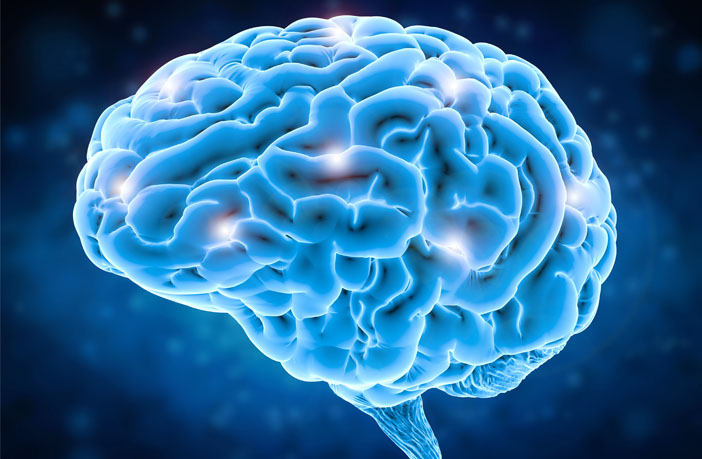
Scientists uncover meditation’s hidden side effects | ScienceDaily
Latest News About Meditation
Scientists say 7 days of meditation can rewire your brain | ScienceDaily
Be mindful: Study shows mindfulness might not work as you expect | ScienceDaily
Mindfulness reduces avoidance of information that may cause worry and regret, study finds
App & Product Updates
Headspace 2026 AI Personalization Expansion Headspace has deepened its AI-powered personalization features as of mid-2026, with the app now offering "Ebb AI"—an adaptive system that learns individual meditation patterns and adjusts content recommendations in real time. The app remains one of the world's most recognized meditation platforms, competing directly with Calm on pricing and content depth. Users paying for the full subscription now experience more customized session suggestions based on their practice history.
Meditation App Market Growth Continues The holistic wellness apps market—dominated by Calm, Headspace, Insight Timer, and others—has hit new highs in 2026, with forecasts extending to 2033. The competitive landscape shows all three major players adding sleep content, anxiety programs, and beginner courses. Insight Timer remains the largest free-to-play option, while Calm and Headspace lead in paid subscriptions. Pricing structures remain relatively stable, with annual subscriptions around $70–120 across platforms.
Practice Guidance from Teachers
Melvin McLeod on Insight and Awareness (Lion's Roar, published 6 days ago) In a recent essay adapted from With a Single Breath (2026), McLeod argues that insight—not relaxation—is mindfulness's true power. He contends that meditation wakes people up to ethical reality and demand for change, making it incompatible with exploitation. "Anyone who wants to exploit or manipulate people should never encourage them to practice mindfulness. It doesn't put people to sleep. It wakes them up."
Actionable takeaway: Approach meditation not as an escape tool but as a catalyst for clarity about what matters. When you sit, notice what uncomfortable truths emerge—that's the practice working.
Will Johnson on "Radiant Mindfulness" (Lion's Roar, July 2026) Johnson introduces the concept of mindfulness extending beyond formal sitting practice into movement and embodied presence. His book Radiant Mindfulness: How to Reach the Awakened State Beyond the Mind encourages exploring breath not just in the lungs but through the whole body, and practicing awareness while moving through daily life.
Actionable takeaway: Bring mindfulness into three everyday moments today—walking, eating, or speaking—by noticing sensation and presence without forcing change.
Gaylon Ferguson PhD on the Foundations of Mindfulness (Tricycle: The Buddhist Review, March 2026) Ferguson, a scholar trained under Tibetan Buddhist masters, offers guidance grounded in the Foundations of Mindfulness Sutra, exploring somatic, emotional, cognitive, and sensory experience. His approach emphasizes direct experience as the path to liberation, drawing on classical Buddhist teaching methods.
Actionable takeaway: Spend 5 minutes observing one sensation (warmth, pressure, tingling) without labeling or judging it—this is direct experience of mindfulness.
What the Community is Talking About
No recent community discussions from major forums (Reddit r/Meditation, r/Mindfulness) were captured in this week's search window. However, based on ongoing app review forums and product discussions, practitioners continue debating:
- Meditation app value: Whether paid subscriptions (Headspace, Calm) justify cost vs. free alternatives (Insight Timer). Many users report app-switching as features and pricing change.
- Adverse effects transparency: Growing awareness that meditation isn't universally safe; practitioners seeking clearer guidance on when to pause or seek teacher support.
- AI-guided practice: Mixed reactions to AI personalization in apps—some find it helpful, others prefer traditional teacher-led or static content.
This Week's Themes
1. Rebalancing the Meditation Narrative Research on adverse effects and teacher emphasis on "waking up" (not just calming down) signal a field maturing beyond marketing-friendly simplicity. The real work is harder and messier than app store descriptions suggest.
2. Brain Science Meets Practice Neuroscience (glymphatic system, brain fluid circulation) is providing mechanistic explanations for what meditators have reported for centuries—that practice changes how the brain functions at a cellular level.
3. Embodied and Ethical Mindfulness Teachers are moving beyond breath-focused sitting toward whole-body awareness and ethical awakening, challenging meditation's use as a productivity tool for systems that exploit.
Try This Week
-
Notice without naming: Pick one physical sensation (your feet on the ground, warmth on your face) and observe it for 2 minutes without labeling or judging—pure awareness.
-
Mindful movement minute: Walk slowly for 60 seconds, paying attention to each step, weight shift, and breath. No goal other than presence.
-
Uncomfortable truth check: After a short sit, ask yourself: "What insight about my life is trying to surface?" Write it down without censoring—this is meditation's real work.
What to Watch Next
- Publication of full MRAE framework: Expect clinical guidelines for meditation-related adverse effects to be released in coming months, potentially changing how teachers screen participants.
- Neuroscience studies on glymphatic function: More MRI research into how meditation affects cerebrospinal fluid circulation and long-term cognitive health.
- App AI transparency: Watch for pressure on meditation platforms to disclose how AI algorithms make personalization decisions and whether users can opt out.
Note: Community discussion data was unavailable for this week's update. This article reflects published research, app updates, and teacher guidance only. If you have trending questions or practitioner experiences to share, reach out for future editions.
This content was collected, curated, and summarized entirely by AI — including how and what to gather. It may contain inaccuracies. Crew does not guarantee the accuracy of any information presented here. Always verify facts on your own before acting on them. Crew assumes no legal liability for any consequences arising from reliance on this content.
Powered by
