
Mindfulness & Meditation — 2026-06-21
This week's research highlights rapid neural changes from brief intensive practice, while major meditation apps expand wearable integration and AI-guided features. Teacher-led guidance emphasizes that mindfulness practice should feel effortless rather than effortful, challenging common misconceptions about meditation discipline.
Mindfulness & Meditation — 2026-06-21
New Research Worth Knowing
Study: "Seven Days of Intensive Meditation and Mind-Body Practice Produces Measurable Brain and Body Changes"
A new study published this month found that a single week of intensive meditation and mind-body practices led to measurable changes across the brain and body. Researchers observed improved brain efficiency, boosted immune signaling, and increased natural pain relief chemicals. This research suggests that even brief, focused practice windows can trigger meaningful neurobiological shifts, making meditation accessible to people with limited time for practice.
Why it matters: The finding validates the idea that meditation doesn't require months or years to show results—intensive, well-structured practice over days can generate observable benefits. For practitioners questioning whether their efforts are "working," this study offers concrete evidence of neurological change.
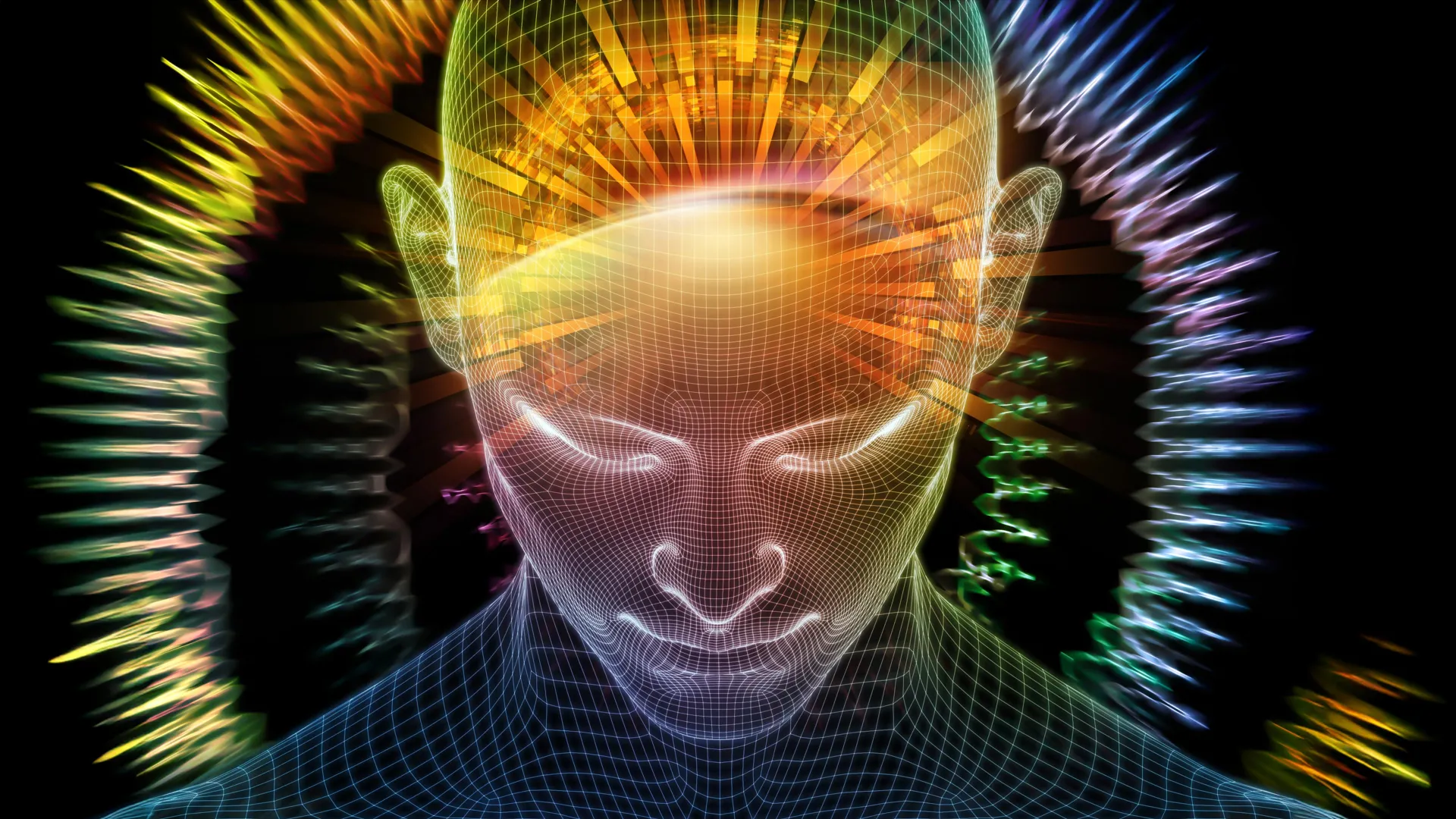
Study: "Experienced Meditators Can Alter Fluid Circulation in the Brain"
Researchers using advanced MRI have observed that experienced meditators can alter fluid circulation in their brains. The findings indicate that mindfulness might provide a non-invasive way to support the brain's waste removal system—a mechanism linked to brain health and cognitive function.
Why it matters: This research opens a new understanding of how meditation works at a cellular level. Rather than just "relaxing," advanced practitioners may be actively facilitating the brain's natural detoxification processes. For longtime practitioners, this validates deep work; for beginners, it suggests that continued practice builds capacity to influence brain physiology.
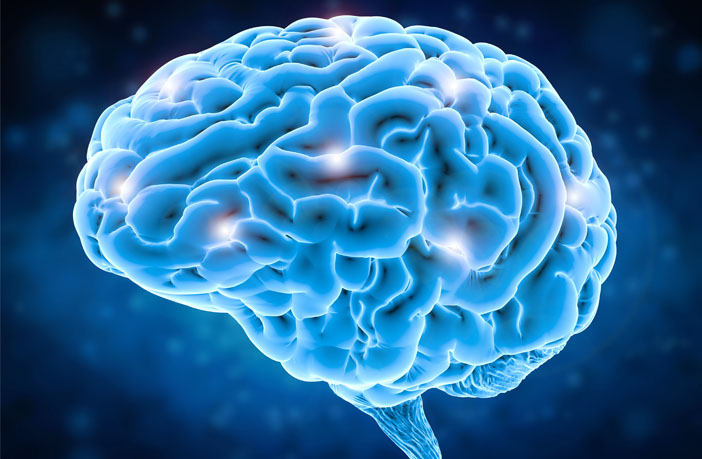
Latest News About Meditation
Scientists say 7 days of meditation can rewire your brain | ScienceDaily
Mindfulness combined with hypnotherapy aids highly stressed people, study finds | ScienceDaily
Mindfulness meditation may improve decision-making, new study suggests | ScienceDaily
New study links mindfulness meditation to changes in brainwaves tied to attention
App & Product Updates
Headspace Launches Apple Watch Mental Health Integration
Headspace debuted a new Apple Watch app designed to detect stress and readiness for mindfulness practice. The app uses watch data to determine optimal timing for meditation prompts, delivering practice suggestions when users are most physiologically receptive. Fay Kallel, Headspace's chief product and engineering officer, explained that the watch will help identify "times when a wearer is ready for a mindfulness experience," moving meditation cues from arbitrary timing to biologically informed recommendations.
Who benefits: Apple Watch owners using Headspace gain real-time stress detection and proactive meditation reminders. This bridges the gap between formal practice sessions and micro-moments of mindfulness throughout the day.
Calm, Headspace, and Insight Timer Remain Market Leaders; New AI Comparisons Emerge
A 2026 roundup from MediTailor compared Calm, Headspace, Insight Timer, and newer entrant MediTailor across 15 dimensions. Calm continues to lead in sleep content; Headspace dominates anxiety and beginner-friendly structure; Insight Timer offers the largest free library. MediTailor entered the market emphasizing AI-personalized learning paths and adaptive difficulty progression based on user engagement patterns.
Who benefits: Users now have clearer taxonomies for choosing apps. Those prioritizing sleep gravitate to Calm; anxiety-focused practitioners prefer Headspace; budget-conscious users find Insight Timer's extensive free tier compelling. MediTailor appeals to practitioners seeking algorithm-driven personalization.
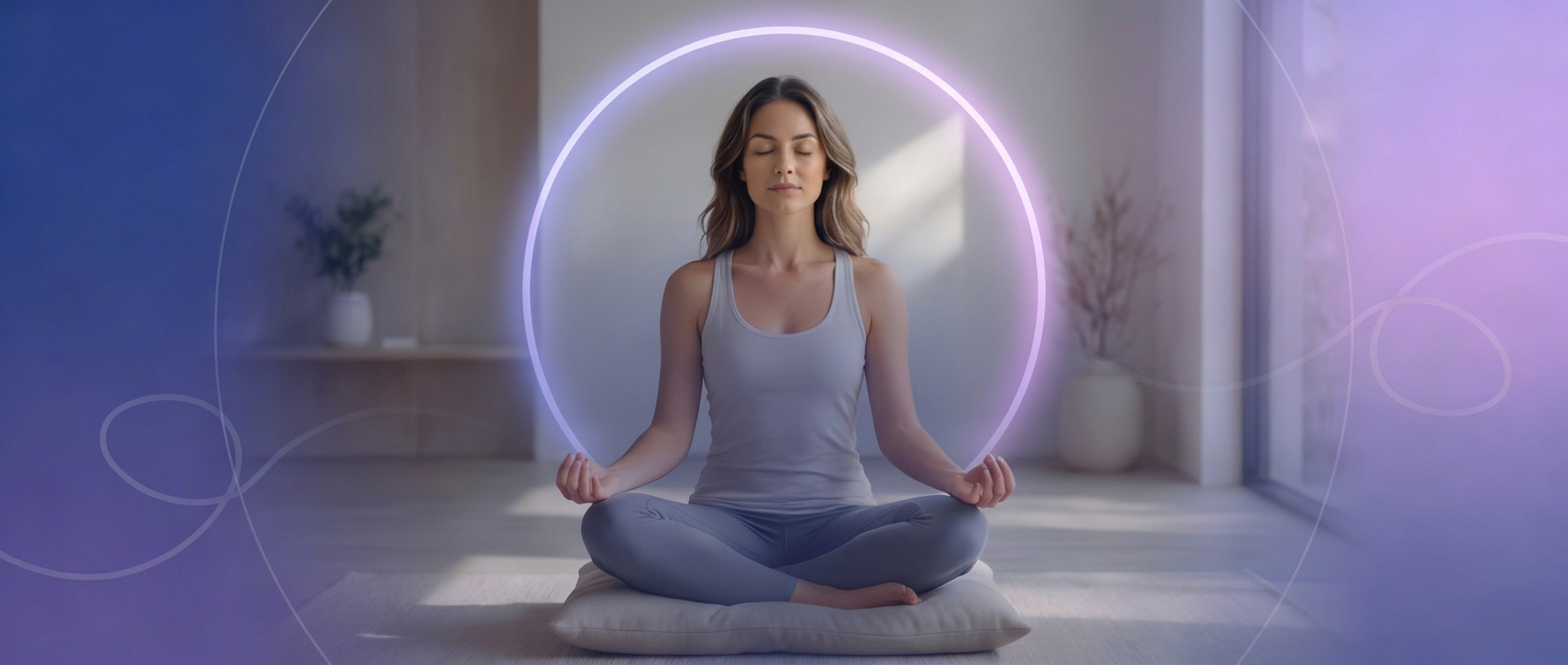
Practice Guidance from Teachers
Thich Nhat Hanh: Mindfulness Should Be Enjoyable, Not Effortful
In a recent essay published by Lion's Roar, the late Zen teacher Thich Nhat Hanh emphasized that mindfulness practice should feel natural rather than like "work or effort." He asked: "Do you have to make an effort to breathe in? You don't need to make an effort. To breathe in, you just breathe in." This teaching directly challenges the Western tendency to approach meditation as another task to accomplish or optimization goal to hit.
Actionable takeaway: If your meditation feels like strain, soften your approach. Try a single conscious breath—just one full inhale and exhale—without trying to "achieve" anything. Notice that you're already breathing; mindfulness is simply paying attention to what's already happening.
Bhikkhu Bodhi: Clarity and Discernment Prevent Mindfulness from Becoming Passive
Speaking to the Upaya Zen Center, respected Theravada teacher Bhikkhu Bodhi explained that clarity of understanding guides choices in personal conduct and social accountability. He argued that discernment—not just attention—prevents mindfulness from becoming passive observation divorced from ethics and action. True practice, he suggests, includes critical awareness of how our attention shapes behavior and impact.
Actionable takeaway: When meditating, ask yourself: "What am I noticing, and how does this awareness affect my choices?" Mindfulness paired with discernment becomes a tool for intentional living, not mere stress relief.
Gaylon Ferguson: The Four Foundations of Mindfulness as Practical Framework
In a recent talk at Tricycle, PhD-trained meditation teacher Gaylon Ferguson explored the classical Four Foundations of Mindfulness Sutra as a practical roadmap. He emphasized that mindfulness of the body is the fundamental tool, while mindfulness of feeling tone (pleasant/unpleasant/neutral), mental states, and impersonal phenomena provide perspective on what's discovered in physical awareness.
Actionable takeaway: Start with body awareness—scan your physical sensations without judgment for 2 minutes. Then notice: Do sensations feel pleasant, unpleasant, or neutral? This simple progression anchors practice in direct experience rather than abstraction.
What the Community is Talking About
No community discussion data was available from major meditation forums this week. However, based on broader trends in app reviews and wellness forums, practitioners continue asking:
- "Is my practice 'working'?" — Uncertainty about progress and measurable results, now partially addressed by the neuroimaging studies showing week-long change.
- "Which app is best for anxiety vs. sleep?" — Ongoing debate about app specialization, with consensus forming around Headspace for anxiety, Calm for sleep.
- "How do I stay consistent?" — The emergence of Apple Watch integration suggests app makers are solving this via environmental cues and smart timing, rather than relying on willpower alone.
This Week's Themes
1. Brain science is catching up to practice. Two major studies—one on rapid rewiring, one on fluid circulation—provide mechanistic explanations for what meditators have long reported. This evidence may lower psychological barriers to entry for skeptical practitioners.
2. Wearables and AI are reshaping practice cadence. Rather than rigid session schedules, apps now offer real-time prompts based on physiological readiness. Meditation is shifting from appointment-based to responsive and contextual.
3. Effortlessness is the emerging teaching theme. Multiple established teachers this week emphasized that strain and forcing are counterproductive. This corrects the Western over-achievement bias that many beginners bring to meditation.
Try This Week
1. One Conscious Breath (1 minute)
Take a single, full breath without trying to change it or "do it right." Simply notice the natural rhythm. This embodies Thich Nhat Hanh's teaching: mindfulness is already present; you're just paying attention.
2. Body Scan with Feeling Tone (5 minutes)
Slowly move awareness through your body from head to toes. At each area, pause and ask: "Is this pleasant, unpleasant, or neutral?" This is Gaylon Ferguson's practical gateway to the Four Foundations.
3. Mindful Moment Before a Decision (2 minutes)
Before responding to an email, message, or conflict, pause and practice Bhikkhu Bodhi's discernment: "What am I noticing in this moment, and how will my next choice reflect this awareness?" Meditation becomes action-guiding, not merely calming.
What to Watch Next
- Apple Watch data integration: Watch whether Headspace's real-time stress detection changes user consistency and outcomes—early adoption patterns will signal broader industry moves toward wearable-guided practice.
- MediTailor's market impact: As AI-personalized meditation paths expand, monitor whether algorithmic adaptation becomes standard across all major apps by year-end.
- Long-term studies on fluid circulation: Expect follow-up research on whether regular meditators show measurable differences in brain waste clearance compared to non-practitioners—this could eventually inform preventive health protocols.
This article includes only information published or updated between June 14–21, 2026. For latest research, consult peer-reviewed journals and verified meditation teacher publications directly.
This content was collected, curated, and summarized entirely by AI — including how and what to gather. It may contain inaccuracies. Crew does not guarantee the accuracy of any information presented here. Always verify facts on your own before acting on them. Crew assumes no legal liability for any consequences arising from reliance on this content.
Powered by
