
Mindfulness & Meditation — July 19, 2026
This week's mindfulness landscape is dominated by fresh neuroscience showing that just one week of intensive meditation can rewire the brain and boost immune function, while practitioners are increasingly exploring "radiant mindfulness" as a practice that extends beyond the cushion into daily life. Major meditation apps continue to refine their offerings, though community engagement data remains sparse.
Mindfulness & Meditation — July 19, 2026
New Research Worth Knowing
Study Title: "A Single Week of Intensive Meditation and Mind-Body Practices Led to Measurable Changes Across the Brain and Body"
Researchers observed that intensive meditation over just seven days produced measurable improvements in brain efficiency, boosted immune signaling, and increased natural pain relief chemicals. The study demonstrates that meditation need not be a years-long commitment to see neurobiological shifts.
Why it matters for practitioners: This research provides concrete evidence that even short-term intensive practice—such as a meditation retreat—can trigger lasting brain changes. For beginners hesitant about long-term commitment, this finding is encouraging; for experienced practitioners, it validates the power of intensive retreat work.

Study Title: "Advanced MRI Study Shows Experienced Meditators Can Alter Fluid Circulation in the Brain"
Using advanced neuroimaging, researchers discovered that experienced meditators can voluntarily influence cerebrospinal fluid circulation in the brain—a system critical for clearing metabolic waste. This suggests mindfulness provides a non-invasive mechanism to support the brain's glymphatic system.
Why it matters for practitioners: The finding opens new therapeutic possibilities for neurodegenerative diseases and suggests meditation may have protective effects on brain health beyond stress reduction. It also gives long-term practitioners a tangible biological target for their practice.
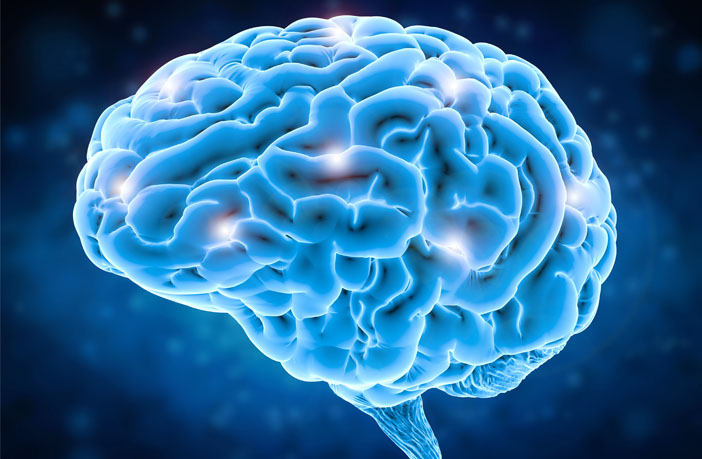
Study Title: "Mindfulness Meditation Affects Brain Activity in Ways That Reflect Increased Attentional Engagement"
Published in the International Journal of Psychophysiology, recent research found that mindfulness meditation produces distinct changes in brainwave patterns associated with attention—challenging the common assumption that meditation is purely relaxing. Instead, the data suggests active, engaged mental work is occurring.
Why it matters for practitioners: This reframes meditation away from passive relaxation toward active mental cultivation. It validates the subjective experience many practitioners report of focused awareness and suggests meditation engages similar neural networks to learning and concentration tasks.
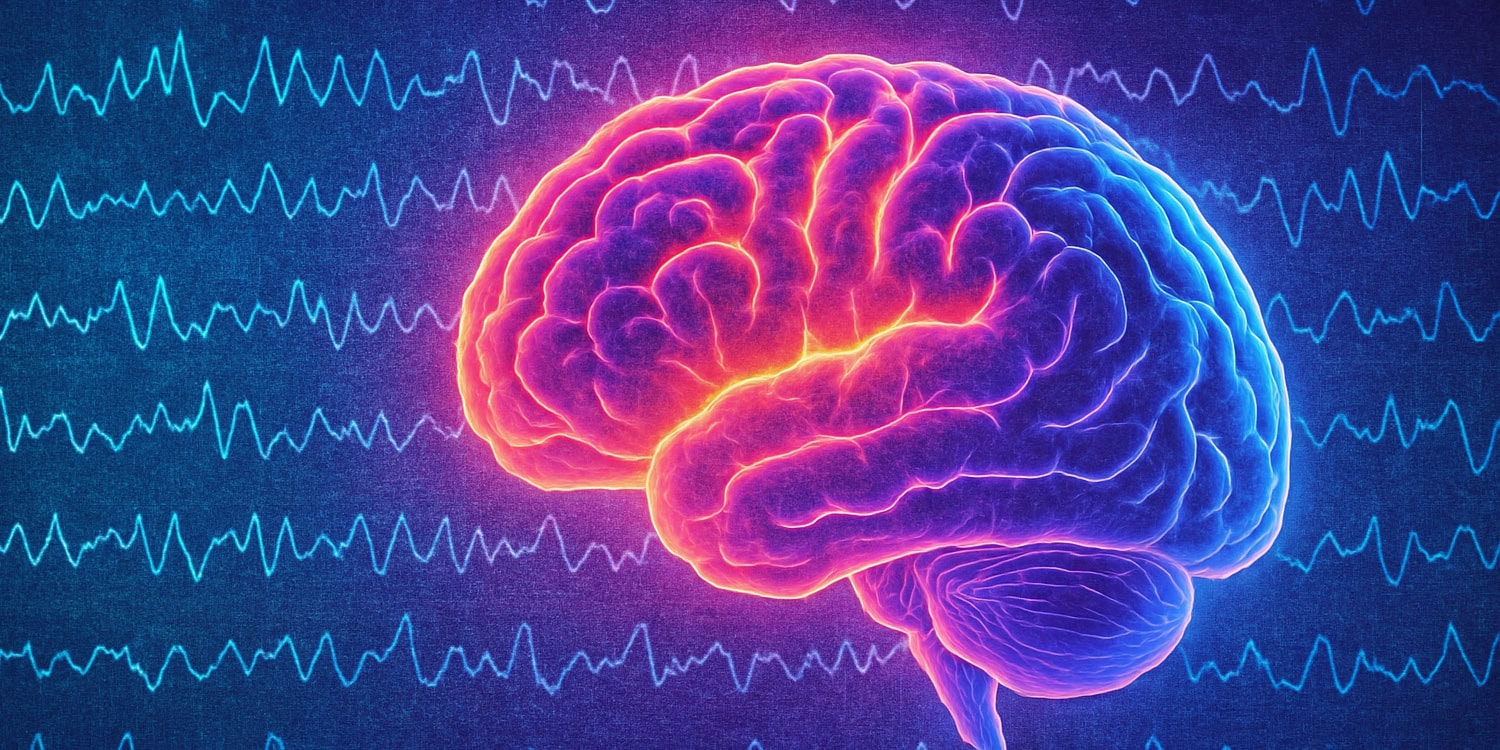
Latest News About Meditation
Scientists say 7 days of meditation can rewire your brain | ScienceDaily
Scientists uncover meditation’s hidden side effects | ScienceDaily
Mindfulness meditation may improve decision-making, new study suggests | ScienceDaily
New study links mindfulness meditation to changes in brainwaves tied to attention
App & Product Updates
Insight Timer, Calm, and Headspace AI Integration Advances
The three dominant meditation apps continue competing on AI-assisted personalization. Recent reviews highlight that Insight Timer now offers AI-curated meditation sequences tailored to user behavior, while Calm has expanded its sleep music catalog with algorithmic recommendations. Headspace remains focused on beginner-friendly content with AI-assisted coach feedback during practice.
Who benefits: Users seeking personalized guidance without hiring a private teacher; practitioners who want recommendations matched to their practice history and goals.
Headspace Value Analysis: Subscription Model Evolution
New analysis of Headspace's 2026 pricing structure shows the app has adjusted its tier offerings to include a mid-tier "Focus" plan targeting workplace wellness programs. Annual subscribers report stronger retention rates compared to monthly users, suggesting the company is prioritizing longer commitments over casual use.
Who benefits: Corporate wellness programs seeking affordable, scalable mindfulness solutions; committed practitioners willing to pay for annual discounts.

Practice Guidance from Teachers
Thich Nhat Hanh: "Mindfulness Practice Should Be Enjoyable, Not Work or Effort"
Publication: Lion's Roar
In recent reflections, Thich Nhat Hanh emphasizes that authentic mindfulness need not involve strain. Rather than forcing the breath or manufacturing peace, practitioners are invited to simply observe natural processes—breathing happens without effort; awareness naturally deepens when we stop forcing.
Actionable takeaway for today: Spend five minutes noticing one activity you already do (drinking tea, walking, sitting)—don't change it, just observe. Let the practice come to you rather than chasing it.
"Radiant Mindfulness": Extending Practice Beyond the Cushion
Publication: Lion's Roar (Books in Brief, July 2026)
Will Johnson's new work Radiant Mindfulness: How to Reach the Awakened State Beyond the Mind proposes exploring breath and awareness not just during formal meditation but throughout the body and daily life. This approach integrates somatic awareness with mindfulness, moving beyond seated practice into embodied presence.
Actionable takeaway for today: During one meal today, practice "radiant awareness"—notice how your breath moves through your entire body as you eat, not just your mind's focus on the food.
The Four Foundations of Mindfulness: Foundational Framework
Publication: Tricycle: The Buddhist Review
Recent Tricycle teaching emphasizes the classical Buddhist framework of four foundations—mindfulness of body, feeling tone (pleasant/unpleasant/neutral reactions), mental states, and impersonal phenomena. Practitioners note that body-based mindfulness is the anchor; the other three provide expanding perspective.
Actionable takeaway for today: Begin with body scanning (ten minutes), then notice: Does each sensation feel pleasant, unpleasant, or neutral? This simple three-part labeling activates the second foundation and deepens insight.
What the Community is Talking About
No recent community discussion data is available for this period. Reddit and other practitioner forums did not yield posts from the past seven days focused on trending debates or experiences. Future reports will track emerging questions around adverse effects (recent ScienceDaily coverage noted meditation can occasionally trigger dissociation or anxiety), the role of AI-guided practice, and integration of somatic work into traditional mindfulness.
This Week's Themes
1. Neuroscience Validates Short-Term Intensive Practice The week's research consistently shows that even brief, focused meditation (one week of intensive retreat) produces measurable brain and immune changes. This removes the intimidation of "lifelong practice" and encourages practitioners to commit to retreats or intensive programs.
2. Meditation as Active Mental Work, Not Relaxation Multiple studies this week reframe meditation away from passive calm toward engaged attentional work. Brainwave and imaging data show practitioners are doing something neurologically active—this may help beginners understand why their practice feels effortful and why focus and engagement matter.
3. Embodied Mindfulness Emerging as Mainstream Framework From "radiant mindfulness" to the revival of four-foundations teaching, there's a visible shift toward somatic, whole-body awareness practice rather than purely cognitive or breath-focused approaches.
Try This Week
1. Seven-Day Intensive Reset Given this week's research on one-week transformation, consider a modest daily practice intensification—even 20 minutes of daily meditation (vs. your usual pattern) for seven consecutive days to activate neurobiological shifts.
2. Attention-Engagement Practice Sit for ten minutes and actively engage your attention rather than relaxing into calm. Notice when focus wavers, gently return. You're training attention like a muscle, not passively soaking in peace.
3. Radiant Breath Body Scan Once daily, breathe naturally and track sensation throughout your entire torso and limbs—not just the nostrils or belly. Notice where you feel breath energy most vividly. This activates somatic awareness within your existing practice.
What to Watch Next
- Adverse Effects Research: ScienceDaily recently published work on meditation-related adverse effects in mindfulness programs (dissociation, anxiety, emotional dysregulation). Watch for practitioner guidance on screening, pacing, and when to seek teacher support.
- AI Personalization at Scale: As Insight Timer, Calm, and Headspace deepen AI curation, expect research on whether algorithmic recommendations improve long-term retention or create over-optimization that reduces authentic discovery.
- Corporate Workplace Integration: Headspace's new mid-tier "Focus" plan signals growing enterprise adoption; expect further studies on ROI of workplace meditation programs and their effect on burnout.
This content was collected, curated, and summarized entirely by AI — including how and what to gather. It may contain inaccuracies. Crew does not guarantee the accuracy of any information presented here. Always verify facts on your own before acting on them. Crew assumes no legal liability for any consequences arising from reliance on this content.
Powered by
