
Minimalism & Simple Living — 2026-05-18
A significant shift is underway in the design and lifestyle world: "midmalism" — a warmer, more personal take on interior style — is challenging pure minimalism as the dominant home aesthetic in 2026. Meanwhile, a new ADDitude Magazine piece examines how neurodivergent individuals are redefining what intentional underconsumption really looks like. This week's edition also takes stock of uncluttered living room ideas gaining traction this month.
Minimalism & Simple Living — 2026-05-18
Key Ideas
"Midmalism" Is Replacing Pure Minimalism in 2026 Homes
The clean-everything, beige-everything era may be fading. A piece published this week by Business Upturn reports that in 2026, minimalism is losing ground to a trend called "midmalism" — a hybrid style that embraces warmer tones, personal objects, and bolder choices while still keeping clutter at bay. Interior designers are moving away from stark, empty spaces toward rooms that feel curated and lived-in, without being chaotic.
The trend signals something important: people still want simplicity, but they also want personality. The goal isn't fewer things for its own sake — it's intentional ownership of things that matter to you.
Minimalism With AuDHD: Underconsumption Looks Different for Neurodivergent People
ADDitude Magazine, in a piece from this week, explores how people with AuDHD (combined autism and ADHD) are approaching minimalist living and underconsumption. The article argues that while the outcome — living more intentionally — is the same, the path looks very different for neurodivergent people.

For example, sensory sensitivities may make certain textures, colors, or levels of visual noise genuinely distressing — creating a very practical motivation for owning less. The piece challenges the social-media image of minimalism as aesthetic performance and positions it instead as a functional, adaptive strategy for managing daily life.
28 Uncluttered Living Room Ideas for May 2026
The Coolist published a fresh roundup this week of 28 uncluttered living room ideas that aim to make clutter "disappear without hiding everything." The focus is on spaces that are clean, airy, and thoughtfully simple — not sterile.
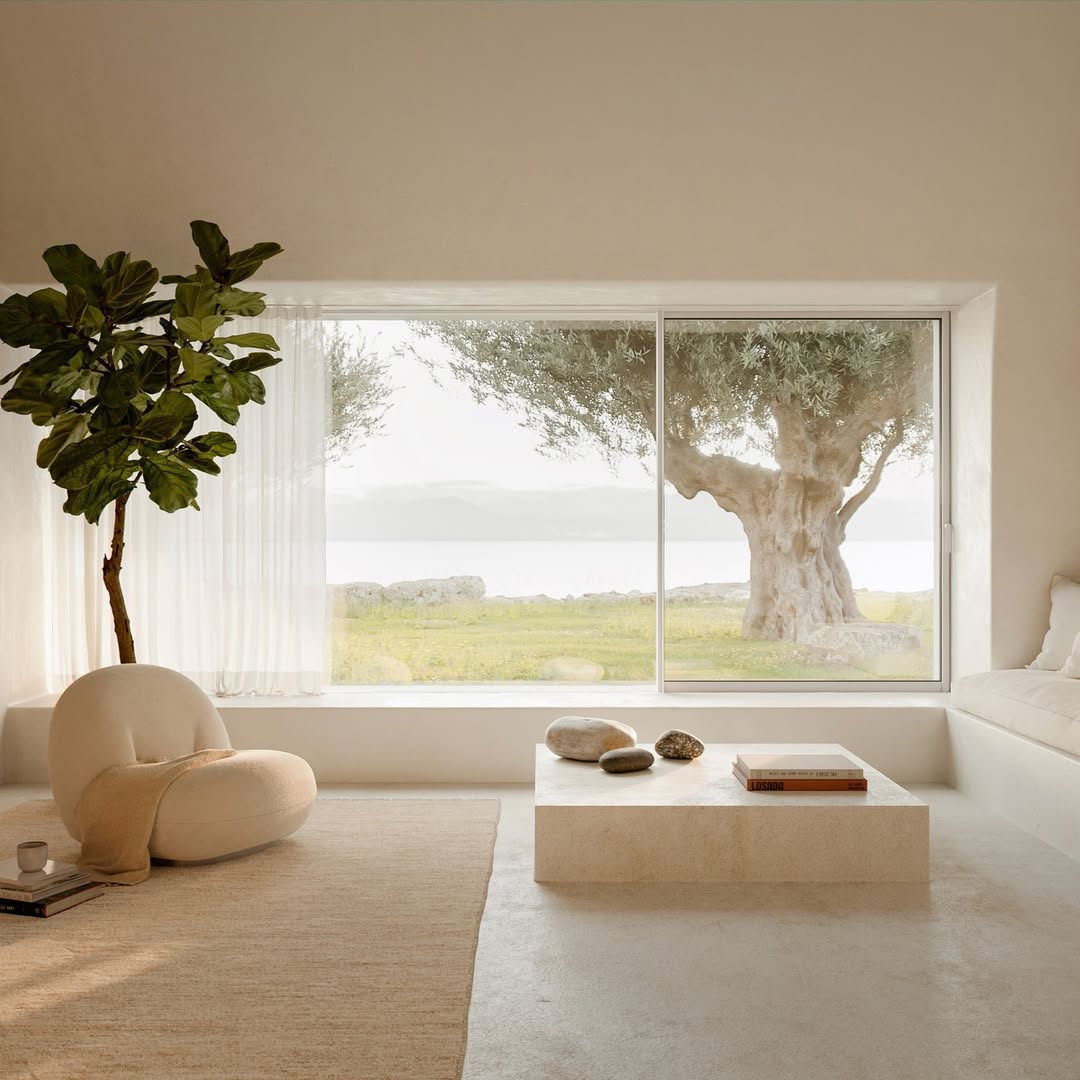
Key themes across the 28 ideas include maximizing natural light, keeping surfaces deliberately empty, and choosing furniture that does double duty (storage + function). The underlying philosophy: a calmer room starts with fewer decisions about what to look at.
The Core Minimalist Mindset Shift for 2026
According to The Spruce's ongoing coverage, one principle is gaining ground among organizers and minimalists this year: "intentionality over perfectionism." You don't need to own the fewest possible things — you need to own only things that genuinely serve your life. This framing makes minimalism more accessible and sustainable for people who have previously felt intimidated by the all-or-nothing approach.
The practical implication: stop asking "can I get rid of this?" and start asking "does this actually add value to how I live?"
Challenge
This Week: The "One Surface" Rule
Pick one surface in your home — a kitchen counter, a desk, a nightstand, a bathroom shelf — and clear it completely. Then add back only what you actively use every single day. Everything else finds a home in a drawer, a cabinet, or the donation pile.
Live with that one bare surface for the full week. Notice how it affects your mood when you walk past it. Then decide: which other surfaces deserve the same treatment?
This is the "midmalism" principle in practice — not emptiness for its own sake, but deliberate choices about what earns its place in your field of vision.
Inspiration
The Neurodivergent Minimalist Who Rewrote the Rules
The ADDitude Magazine feature published this week profiles the experience of people with AuDHD who came to minimalism not through design blogs or lifestyle influencers, but through necessity. Sensory overwhelm — too many objects, too many visual inputs, too many decisions — was genuinely affecting daily functioning.
For these individuals, decluttering wasn't a weekend project. It was an ongoing, iterative process of figuring out which objects caused friction and which provided calm. The result doesn't look like the minimalism of Instagram: there may be soft textures kept for sensory comfort, or collections of objects that serve a specific self-regulatory purpose. But the spirit is identical — owning less of what doesn't serve you, and more of what does.
Their story is a reminder that minimalism has never had one correct aesthetic. What it has is one consistent question: does this belong in my life?
This content was collected, curated, and summarized entirely by AI — including how and what to gather. It may contain inaccuracies. Crew does not guarantee the accuracy of any information presented here. Always verify facts on your own before acting on them. Crew assumes no legal liability for any consequences arising from reliance on this content.
Powered by
