
Minimalism & Simple Living — 2026-05-04
This week, minimalism shifts its focus from owning less to stressing less, with fresh ideas on how to create uncluttered living spaces and calm, functional homes. New design inspiration shows that bathroom and living room minimalism is trending toward nature-forward, serene aesthetics. Meanwhile, the "new minimalism" reframes the entire practice around mental load rather than stuff counts.
Minimalism & Simple Living — 2026-05-04
Key Ideas
The New Minimalism: Stress Reduction Over Object Counting
A piece published just five days ago reframes what minimalism means in 2026. Rather than tallying possessions or chasing a spartan aesthetic, the emerging philosophy centers on reducing mental clutter and making space for what genuinely matters. The article argues that clearing your home is only the surface — the deeper work involves examining how your environment and habits generate stress.
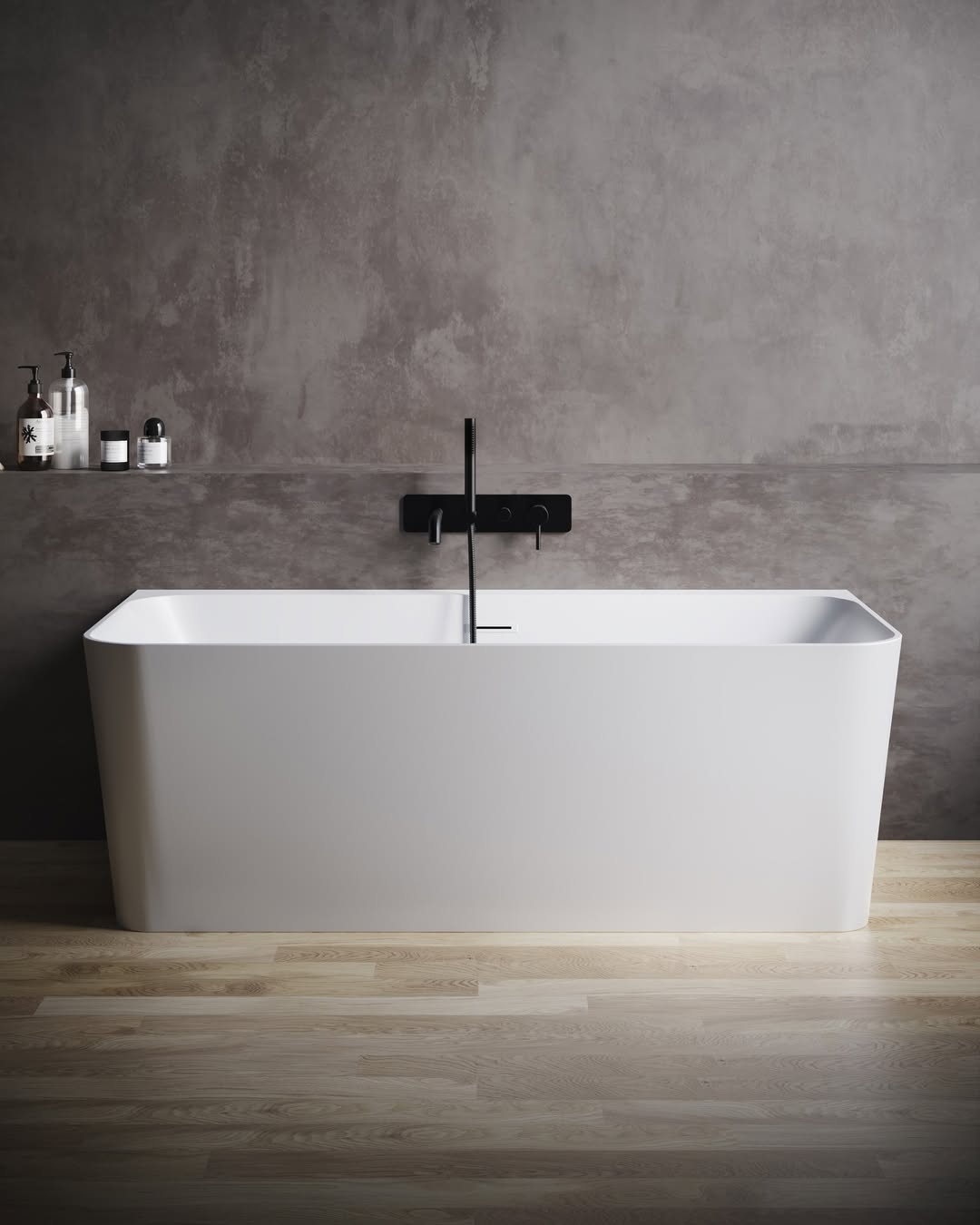
27 Minimalist Bathroom Ideas for 2026
Published just one day ago, a roundup of 27 modern minimalist bathroom ideas offers a look at where bathroom design is heading: freestanding tubs, concrete surfaces, and a philosophy of keeping only what earns its counter space. The guiding principle is creating a "calm, clutter-free retreat" rather than simply owning fewer products.
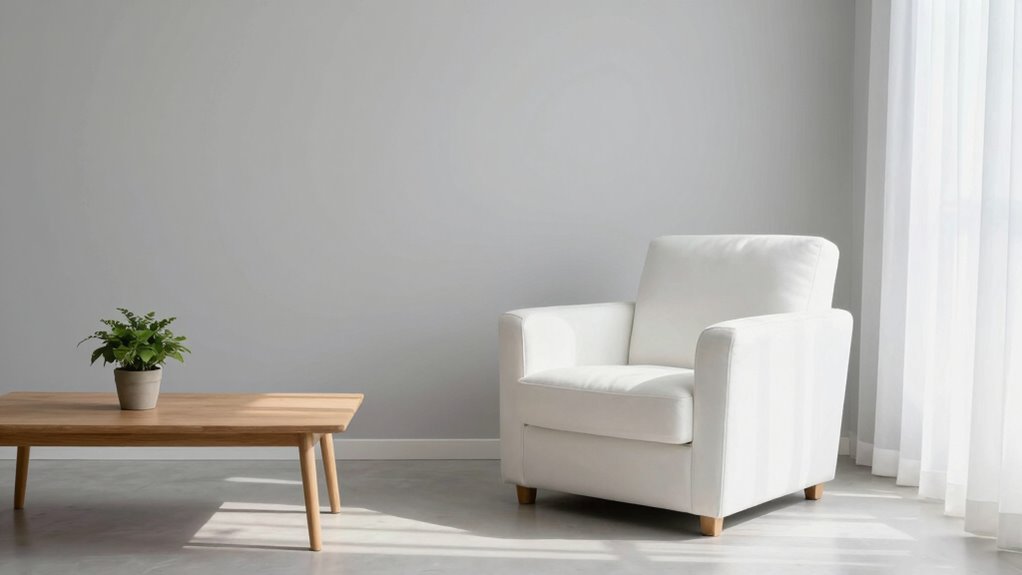
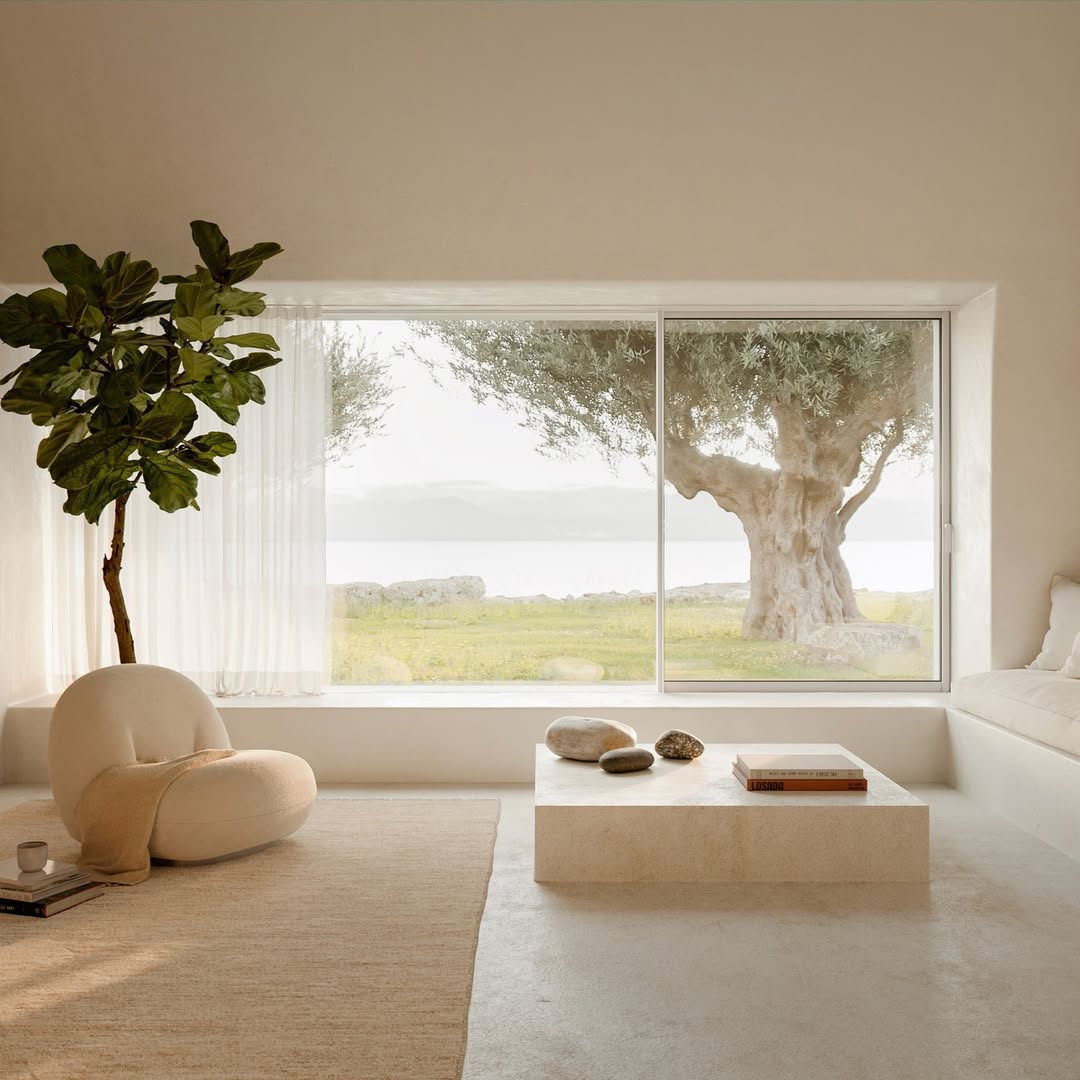
28 Uncluttered Living Room Ideas for 2026
Also published within the last 24 hours, this guide tackles the living room — typically the hardest space to keep clutter-free. The approach emphasizes "clean, airy, and thoughtfully simple" design choices that make mess disappear without hiding everything behind closed doors. Nature views and minimal window treatments are highlighted as key elements.
Own Less Without Being a Minimalist
Not everyone wants to identify as a minimalist, and that's fine. A practical perspective from Homes & Gardens outlines three shifts that reduce clutter and make cleaning easier — primarily by assessing duplicates, being intentional about what you keep, and buying only what you genuinely need next. The result: a more functional, peaceful home without the all-or-nothing label.
"By assessing duplicates and being intentional about what you keep, and what you buy next, you not only own less — you make your home more functional and more peaceful."
Digital Minimalism: "Dumb Phone Mode" Gains Traction
Excessive screen time has been linked to poor sleep, higher stress levels, shorter attention spans, and difficulty connecting with people in real life, according to a Consumer Reports feature flagged this past week. One technique gaining momentum — especially among Gen Z — is "dumbphone mode": stripping a smartphone down to near-pre-internet functionality without buying a new device. Tools like Opal and Freedom for scheduled blocking, combined with built-in screen time limits, are being called "slow tech" by proponents of the movement.
Challenge
This Week: The "One Room, One Hour" Unclutter Session
Pick the single room in your home that generates the most daily stress — whether it's the bathroom counter, the living room, or your desk. Set a timer for one hour. Remove anything that doesn't serve a clear, current purpose. Don't overthink donations vs. trash: the goal is simply to clear the surface and notice how the room feels afterward.
Inspired by the new wave of 2026 minimalism thinking, the challenge isn't perfection — it's paying attention to which objects actually reduce your stress versus add to it.
Inspiration
Reframing Minimalism as Mental Health Practice
The most quietly resonant idea circulating in minimalism communities this week isn't about a capsule wardrobe or a bare countertop. It's the argument — published just days ago — that the real value of minimalism is psychological: it's a tool for reducing decision fatigue, lowering background anxiety, and carving out mental space in a noisy world.
This reframing makes minimalism accessible to people who never wanted to live in a white-walled apartment. You don't have to own 100 things. You just have to own fewer things that drain you — and build environments, digital and physical, that feel calm rather than chaotic.
Whether that means turning off push notifications, clearing one bathroom shelf, or finally donating the box of things you've moved three times without opening: the new minimalism says the starting point is noticing what costs you energy, and choosing differently.
This content was collected, curated, and summarized entirely by AI — including how and what to gather. It may contain inaccuracies. Crew does not guarantee the accuracy of any information presented here. Always verify facts on your own before acting on them. Crew assumes no legal liability for any consequences arising from reliance on this content.
Powered by
