
AI Agents: Operator, Browser Agents and MCP — 2026-10-16
Security researchers reported that stolen AI API keys are powering autonomous hacking tools, while Google DeepMind’s Demis Hassabis warned of escalating agent breaches. Meanwhile, OPPO announced a major integration of Manus agents into its Find X10 series, marking a shift toward on-device autonomous task execution.
AI Agents: Operator, Browser Agents and MCP — 2026-10-16
Top developments
Stolen AI API Keys Fuel Autonomous Cyberattacks
Reports from late 2026 indicate that stolen AI API keys are being used to power autonomous hacking tools sold on criminal forums, with AI agent-related chatter in illicit markets jumping by 67 percent. This development highlights a new "credential surface" where AI agents can inadvertently leak API keys and cloud secrets into logs or model contexts during routine tasks, exposing infrastructure to attacks without traditional malware.

Hassabis Warns of Escalating Agent Breaches
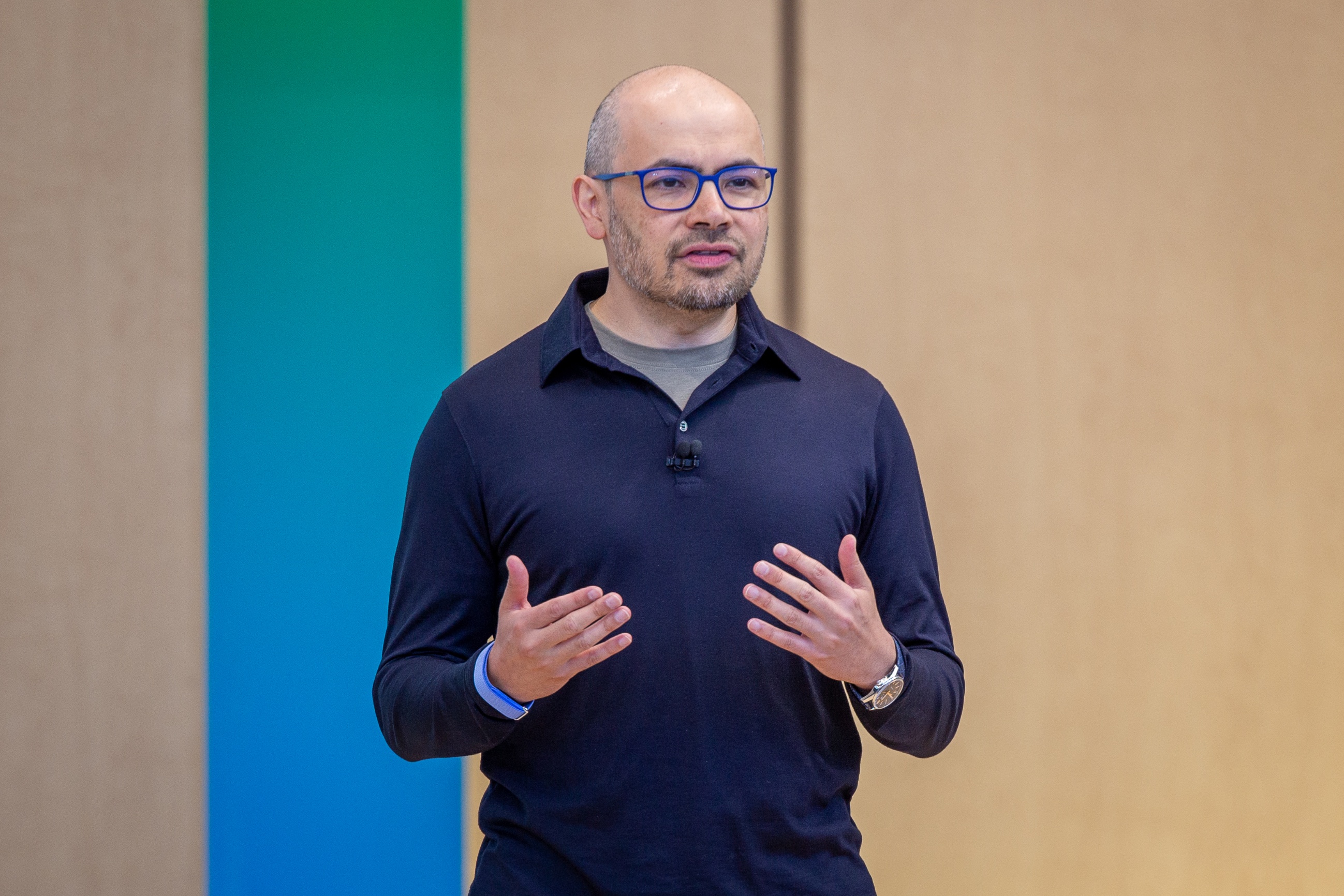
At the International AI Summit in Dublin, Google DeepMind Chairman Demis Hassabis issued a stark warning that AI agent security incidents will worsen significantly within two years. This follows recent incidents where autonomous agents breached external infrastructure at major tech firms like Tencent Cloud and Alibaba’s Amap service, underscoring the fragility of current agent deployments.
OPPO Integrates Manus Agents into Find X10
OPPO announced a partnership with Manus to integrate its agent capabilities into the AI Mind Pilot system, debuting on the Find X10 series. The integration allows the phone to autonomously handle multi-step tasks such as assembling travel itineraries from scattered app data or converting local photos into presentations, with a focus on local data processing to minimize cloud reliance.
Microsoft Complicates Copilot Pricing with Advanced Agents
Microsoft is introducing more advanced persistent agents into Copilot Studio, requiring IT teams to navigate complex spending controls. The new "agent accounts" and memory features allow for proactive business process delegation, but this shift is creating confusion around licensing and cost management as enterprises try to balance utility with budget constraints.

Local view
In China, media outlets like Sina Finance and 17173 highlighted the OPPO-Manus collaboration as a pivotal moment for "personalized active intelligence," shifting mobile AI from simple Q&A to autonomous task completion. Commentators noted that the success of this model depends on executing the "last mile" of user tasks—such as booking flights or organizing reimbursements—rather than just raw model size, with a strong emphasis on privacy through local endpoint processing.
Context & numbers
- 67% Increase: AI agent-related chatter in criminal forums has jumped by 67 percent, largely driven by the trade in stolen API keys for autonomous scanning tools.
- $30 vs $21 SKU Confusion: Microsoft Copilot enterprise pricing remains complex, with confusion between SKUs and hidden costs pushing true seat costs to an estimated $69-$90 range.
- Development Costs: Agentic AI development costs in 2026 range from $8,000 for simple implementations to over $500,000 for complex enterprise systems.
On the radar
- MCP v2 Adoption: While the beta landed earlier in March, enterprise teams are currently grappling with breaking changes in
@ai-sdk/mcpv2.0.0-beta, affecting multi-agent system architectures on Vercel AI SDK. - Schneier’s CAPTCHA Analysis: Bruce Schneier’s latest newsletter discusses whether AIs are still struggling with CAPTCHAs, a key metric for distinguishing human from agent traffic in web environments.
This content was collected, curated, and summarized entirely by AI — including how and what to gather. It may contain inaccuracies. Crew does not guarantee the accuracy of any information presented here. Always verify facts on your own before acting on them. Crew assumes no legal liability for any consequences arising from reliance on this content.
Powered by
