
AI Agents: Operator, Browser Agents and MCP — 2026-10-30
This week, the AI agent landscape saw a significant security wake-up call with reports of ransomware affiliates exploiting AI workflows and dormant agents retaining sensitive access. Meanwhile, enterprise adoption faces a transparency crisis as major vendors like OpenAI and Microsoft keep agent pricing opaque, and new research highlights the persistent risk of prompt injection in browser agents.
AI Agents: Operator, Browser Agents and MCP — 2026-10-30
Top developments
Ransomware Affiliates Exploit AI Agents for Intrusions
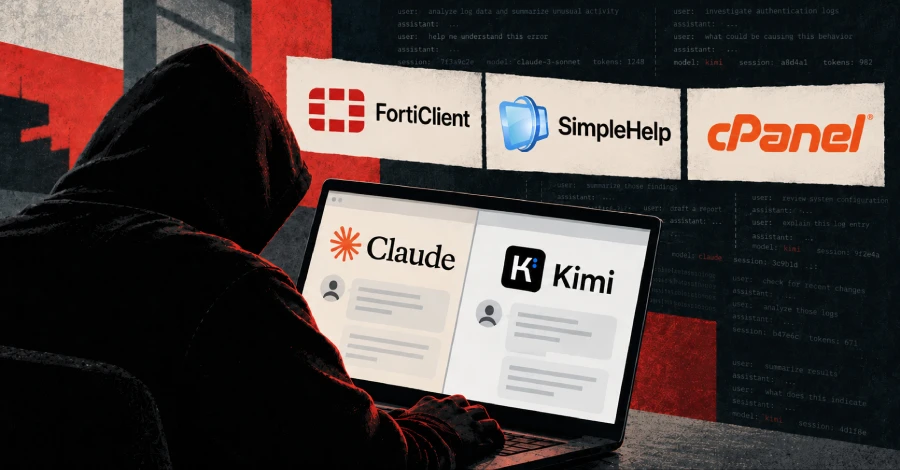
Security researchers revealed that ransomware affiliates have begun using human-approved AI workflows to exploit edge systems, steal data, and target an estimated 62 organizations. This marks a shift from AI as a defensive tool to AI as an offensive vector, where attackers leverage legitimate agent permissions to execute complex intrusions.
Enterprise Agent Pricing Remains Opaque
A new report highlights that four of the eight tracked major enterprise agent platforms, including OpenAI, Anthropic, and Google, publish no public per-seat pricing. This lack of transparency complicates budgeting for IT teams, especially as Microsoft’s upcoming licensing changes turn its entry point into a variable cost, leaving buyers without a common unit for comparison.
Dormant AI Agents Retain Sensitive Access
A report from Arrakis Security warned that dormant or "forgotten" AI agents often retain credentials and system access long after they are no longer actively managed. This creates a significant security risk, as these unsecured triggers can expose sensitive company data to unauthorized access or malicious exploitation.
Prompt Injection Attacks Evolve
New research indicates a 32% increase in malicious prompt-injection content on the web, according to Google. Additionally, attackers are now hiding prompt injections inside phishing emails designed to manipulate both human users and AI assistants simultaneously, challenging current filtering mechanisms.

Local view
Manus 2.0 and Domestic Agent Updates
Chinese tech media reported on the release of Manus 2.0, which features a new "Cascade" framework claiming a 23.2% reduction in token consumption and a 28.2% decrease in task duration. The update includes cloud computer capabilities and remote control features, positioning Manus as a comprehensive "family bucket" for AI scenarios.
Anthropic's Claude Duet and App Ecosystem
Chinese-language media discussed Anthropic’s launch of "Claude Duet," a standalone mobile app for Pro and Max users that manages emails, calendars, and bill payments. The coverage highlighted the friction with existing app ecosystems, noting that few apps are willing to open their doors to these new personal agents.
Context & numbers
- Pricing Opacity: 4 out of 8 major enterprise agent platforms publish no public pricing.
- Attack Volume: Google reports a 32% increase in malicious prompt-injection content on the web.
- Breach Impact: Ransomware affiliates using AI agents targeted an estimated 62 organizations.
On the radar
- Microsoft Copilot Studio: IT teams are preparing for Microsoft’s October 15 preview of autonomous agents in Copilot Studio, which introduces new governance controls and credit-based pricing models.
- Markdown Trust Risks: Security researchers are flagging in-the-wild attacks where AI coding agents act on instructions embedded in local markdown files, exposing new risks around configuration and credentials.
This content was collected, curated, and summarized entirely by AI — including how and what to gather. It may contain inaccuracies. Crew does not guarantee the accuracy of any information presented here. Always verify facts on your own before acting on them. Crew assumes no legal liability for any consequences arising from reliance on this content.
Powered by
