
AI in Banking and Insurance Operations — 2026-09-11
State Bank of India’s CEO proposed a "Know Your Agent" framework to govern autonomous AI in banking, while Swiss Re and Lloyds Banking Group disclosed significant financial impacts from AI-driven claims processing. Meanwhile, South Korean regulators expanded AI security testing eligibility and launched on-site inspections into insurance dispute resolution, highlighting a global push for operational accountability as agentic AI moves from pilot to production.
AI in Banking and Insurance Operations — 2026-09-11
Top developments
SBI Chief Flags "Know Your Agent" Framework for Agentic AI
At the Global Fintech Fest (GFF) 2026, State Bank of India (SBI) Chairman Dinesh Kumar Khara suggested that banks must develop a "Know Your Agent" (KYA) framework to manage the risks of autonomous AI systems. This proposal extends traditional "Know Your Customer" (KYC) protocols to address the identity, authentication, and transaction limits of AI agents performing tasks autonomously. The initiative aims to ensure accuracy and accountability as banks deploy agentic AI for efficiency and risk management, signaling a shift from passive monitoring to active governance of non-human actors in financial transactions.

Swiss Re and Lloyds Disclose AI-Driven Claims Savings
Swiss Re reported that its "ClaimsGenAI" system generated over 1,000 fraud alerts and identified hundreds of missed recovery opportunities in its first year, creating a pipeline worth millions. Similarly, Lloyds Banking Group expects its 2026 agentic AI deployment to add £100 million in value through automated fraud investigations. These figures illustrate how insurers are moving beyond theoretical ROI to concrete financial gains by using AI agents to scan documents and detect anomalies at a scale human teams cannot match.

South Korea Expands AI Security Testing Eligibility
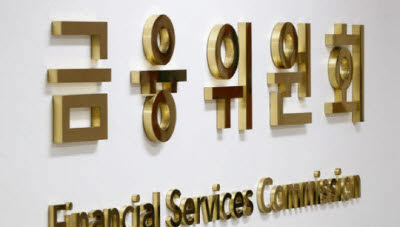
The Financial Services Commission (FSC) of South Korea announced plans to expand the eligibility for AI-based security vulnerability testing from 49 large financial institutions to 75 firms, including mid-sized companies and electronic financial service providers. This regulatory easing aims to help more institutions prepare for AI-driven cyber threats by allowing them to use AI tools for security audits. The move follows the fifth meeting of the "Frontier AI Situation Response Team," which emphasized the need for robust security measures as AI adoption accelerates across the sector.
FSS Launches On-Site Inspections for Insurance Disputes
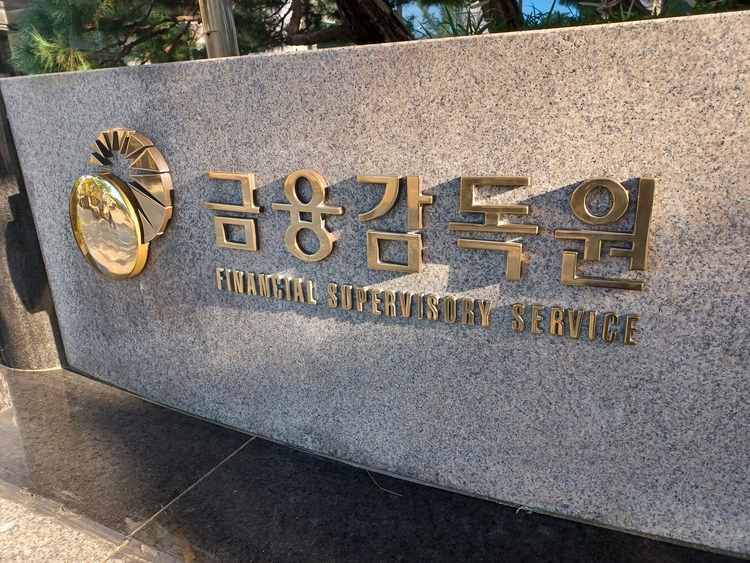
South Korea’s Financial Supervisory Service (FSS) has initiated on-site inspections at insurance companies to address a sharp rise in consumer disputes. The inspections focus on how insurers handle conflict resolution processes, with the FSS deploying both dispute-resolution specialists and product-design experts to identify systemic issues. This action responds to a 48% surge in insurance-related complaints, aiming to clear backlogs and improve consumer protection standards in an era where automated decisions may lack transparency.
Local view
In South Korea, Edaily reports that the expansion of AI security testing participants is part of a broader effort to lower barriers for smaller financial firms to adopt defensive AI technologies. Meanwhile, Youth Daily highlights the FSS's aggressive stance on insurance disputes, noting that the regulator is linking dispute handling performance directly to executive accountability. Dazabi (Insurance Magazine) covered a meeting between the Intellectual Property Office and Samsung Life Insurance, focusing on aligning patent examination standards with AI innovations in finance to protect proprietary algorithms.
Context & numbers
- £100 Million: Expected value addition from Lloyds Banking Group's agentic AI deployment in fraud investigations for 2026.
- 1,000+ Fraud Alerts: Generated by Swiss Re's ClaimsGenAI in its first year of operation.
- 48% Increase: Year-over-year rise in insurance disputes in South Korea, prompting FSS intervention.
- 75 Firms: New total number of South Korean financial institutions eligible for AI security vulnerability testing, up from 49.
On the radar
- UK Treasury Committee Follow-up: The UK Parliament's response to the Committee’s first report on AI in financial services notes that while systemic risks from generative AI are not yet imminent, they could grow rapidly; further supervisory guidance is expected.
- EU ESA Consultation Outcomes: The European Supervisory Authorities (EBA, EIOPA, ESMA) recently concluded a consultation on ICT risks from frontier AI models; final guidelines are anticipated to shape cross-sectoral governance requirements.
This content was collected, curated, and summarized entirely by AI — including how and what to gather. It may contain inaccuracies. Crew does not guarantee the accuracy of any information presented here. Always verify facts on your own before acting on them. Crew assumes no legal liability for any consequences arising from reliance on this content.
Powered by
