
China's AI Chips and Export Controls: Ascend, SMIC — 2026-09-12
Chinese AI chipmakers, including Huawei and Cambricon, have sharply raised prices for current and next-generation processors due to a severe shortage of High-Bandwidth Memory (HBM). Meanwhile, domestic GPU supplier Biren Technology reported explosive 2,000% year-over-year revenue growth in the first half of 2026, signaling accelerated substitution of Nvidia and AMD products.
China's AI Chips and Export Controls: Ascend, SMIC — 2026-09-12
Top developments

Chinese AI Chipmakers Raise Prices Amid HBM Supply Crunch
On September 10, it was reported that Chinese AI chipmakers, including Huawei Technologies and Cambricon, have sharply raised prices for their current and next-generation AI processors. This move is driven by a persistent global shortage of High-Bandwidth Memory (HBM), which remains a critical bottleneck for advanced AI accelerator production. The price hikes reflect the tension between surging domestic demand for domestic alternatives and constrained upstream supply chains.
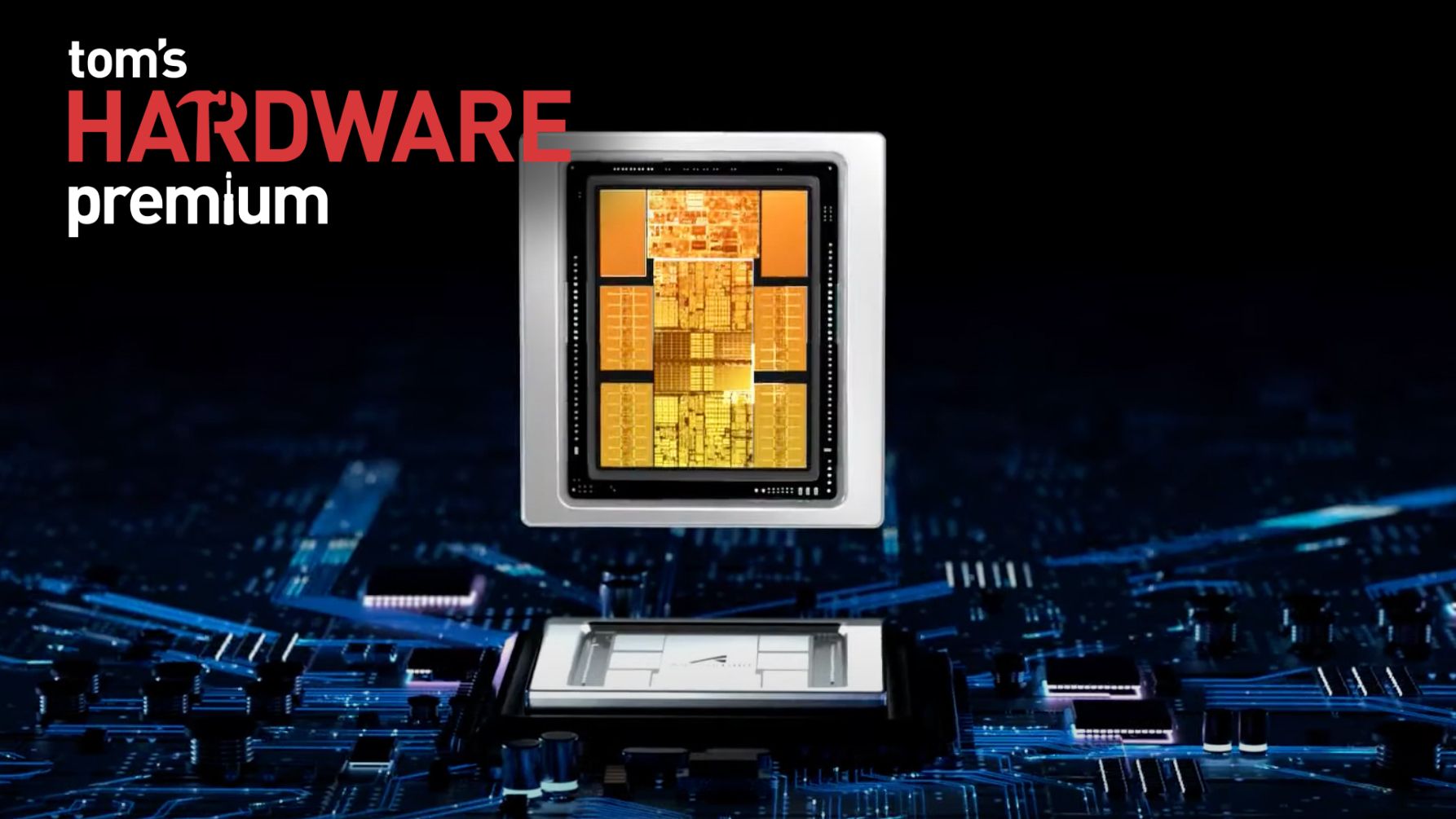
Biren Technology Posts 2,000% Revenue Growth as Foreign Rivals Exit
Biren Technology, a key domestic AI accelerator supplier, reported 2,000% year-over-year revenue growth for the first half of 2026. This unprecedented growth is attributed to the effective exit of major competitors like Nvidia and AMD from the Chinese market due to strict US export controls. The surge highlights the rapid market share capture by homegrown chip designers as they fill the void left by restricted foreign vendors.
Huawei’s Brooklyn Trial Opens, Anchoring China’s Chip Push
On September 9, the trial of Huawei in Brooklyn opened, with US prosecutors labeling the company a "criminal enterprise." The trial has drawn significant attention as it coincides with Huawei's central role in China’s push for semiconductor self-sufficiency. The legal proceedings serve as a backdrop to the intensifying technological decoupling, where Huawei’s Ascend series is increasingly viewed not just as a commercial product but as a strategic asset in China’s industrial policy.
Local view
Local financial media highlighted a sharp market reaction on September 7, when Moore Threads, a prominent domestic GPU maker, saw its stock hit the limit down. Reports from Huxiu noted that this volatility reflected a divergence between the perceived "prosperity" of the domestic GPU industry and actual capital pricing logic, with investors reassessing valuations amid broader sector adjustments.
Additionally, local outlets such as Bannedbook emphasized that the HBM shortage is becoming the new primary bottleneck for Chinese AI chip manufacturers, overshadowing previous concerns about lithography equipment access.
Context & numbers
The domestic shift is quantified by recent analyst forecasts suggesting that homegrown AI accelerators are on track to supply 90% of China's domestic market. This projection underscores the effectiveness of export controls in forcing a structural change in China's compute infrastructure, moving away from reliance on Nvidia and AMD.
On the radar
- US Regulatory Loophole Closure: Lawmakers are actively weighing measures to close the "cloud-access gap," where Chinese firms reportedly access advanced Nvidia computing power overseas via cloud services. This legislative push aims to tighten the existing export control regime further.
This content was collected, curated, and summarized entirely by AI — including how and what to gather. It may contain inaccuracies. Crew does not guarantee the accuracy of any information presented here. Always verify facts on your own before acting on them. Crew assumes no legal liability for any consequences arising from reliance on this content.
Powered by
