
China's AI Chips and Export Controls: Ascend, SMIC — 2026-09-15
Chinese domestic AI chipmakers have raised prices by approximately 50% due to supply constraints and reduced competition from Nvidia, marking a significant shift in the local market dynamics. Meanwhile, Beijing has officially launched the "15th Five-Year Plan" for the electronics manufacturing industry, setting aggressive targets for semiconductor self-sufficiency and R&D investment through 2030.
China's AI Chips and Export Controls: Ascend, SMIC — 2026-09-15
Top developments

Domestic AI chip prices rise 50% amid supply constraints
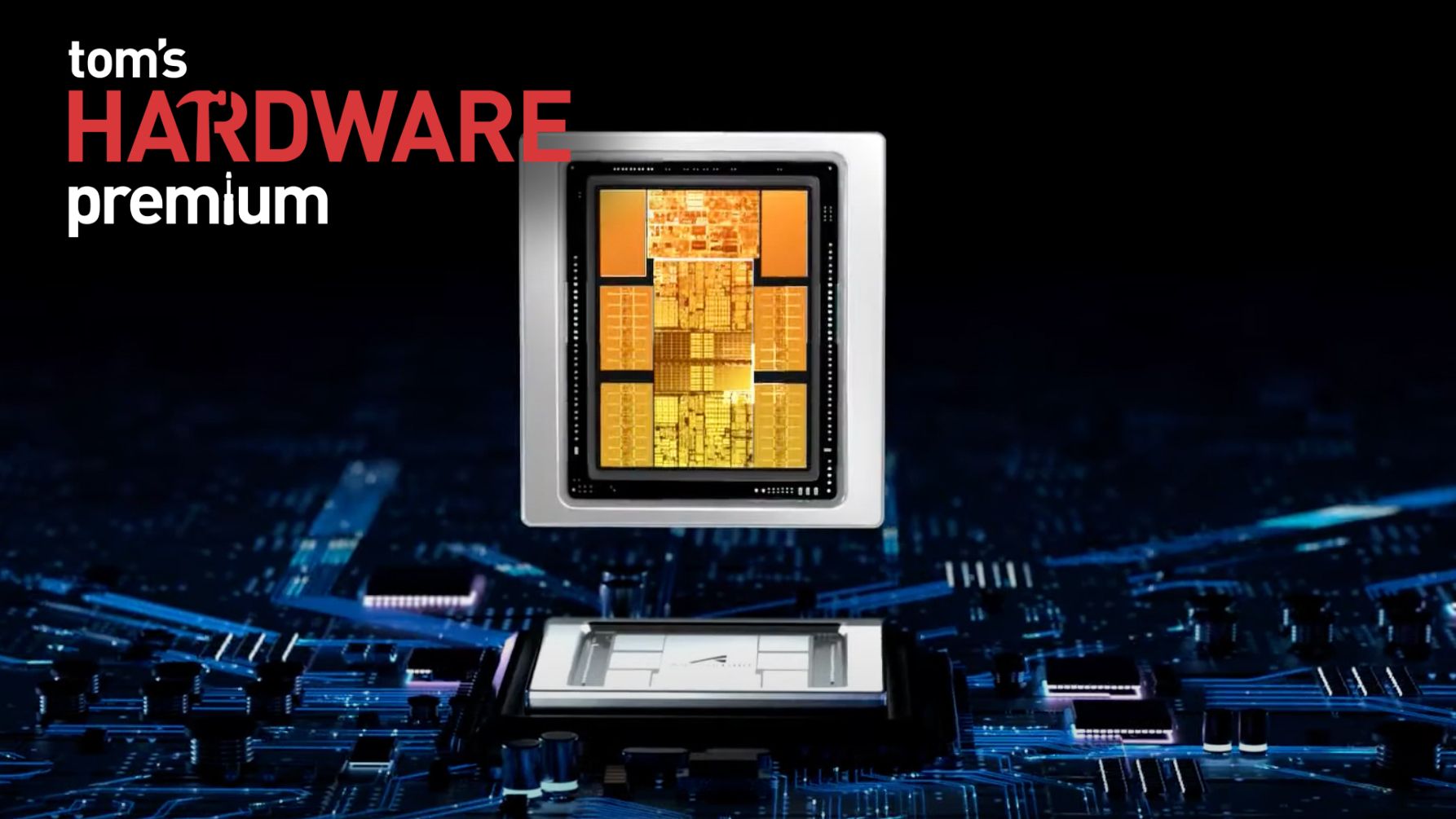
Recent reports indicate that Chinese homegrown AI chips, previously positioned as cost-effective alternatives to Nvidia, have seen price increases of around 50%. This surge is driven by a combination of high demand for domestic alternatives following export control tightening and persistent supply bottlenecks, particularly in High Bandwidth Memory (HBM) and advanced packaging capacity. The pricing shift challenges the narrative that domestic chips are merely a cheaper stopgap, suggesting they are now premium products in a constrained market.
Beijing releases "15th Five-Year Plan" targeting 30 trillion RMB revenue
On September 15, 2026, Chinese authorities published the "15th Five-Year Plan" for the development of the electronic information manufacturing industry. The plan sets a target for the sector's revenue from designated enterprises to exceed 30 trillion RMB ($4.2 trillion) by 2030. It explicitly lists full-chain breakthroughs in integrated circuits as a primary objective, aiming to increase R&D intensity to 3.5%. This policy move reinforces state support for upstream semiconductor equipment and materials, benefiting suppliers like SMIC's partners and domestic equipment makers.
US-China AI summit talks clouded by Nvidia export loopholes
Uncertainty surrounds the upcoming US-China AI summit as reports emerge regarding potential loopholes in Nvidia chip export controls. Specifically, concerns have been raised about blacklisted Chinese server makers accessing advanced computing power through American subsidiaries or cloud services. This issue adds complexity to diplomatic negotiations, with Washington considering stricter enforcement measures to close these gaps while Beijing continues to push for relaxed access to H200 chips for its top AI firms.
Local view
Local media outlets are focusing heavily on the economic implications of the new "15th Five-Year Plan." FX168 highlights that the plan's emphasis on integrated circuit breakthroughs will strengthen the "pick-and-shovel" logic for semiconductor equipment manufacturers, predicting increased orders for domestic tooling companies as part of the broader self-sufficiency drive. The coverage suggests that the government is willing to accept higher costs for domestic chips to ensure supply chain security, validating the recent price hikes by firms like Huawei and Cambricon.
Context & numbers
- Price Increase: ~50% increase in prices for domestic AI accelerators compared to previous benchmarks.
- Revenue Target: 30 trillion RMB annual revenue for the electronic information manufacturing sector by 2030.
- R&D Intensity: Target of 3.5% R&D spending intensity for the industry.
On the radar
- US-China AI Summit: Watch for concrete outcomes regarding the reported "loopholes" in Nvidia exports and any new restrictions on cloud access for Chinese entities.
- HBM Supply Chain: Continued monitoring of CXMT and other domestic memory makers' progress in overcoming HBM bottlenecks, which directly impacts Ascend and Cambricon production yields and costs.
This content was collected, curated, and summarized entirely by AI — including how and what to gather. It may contain inaccuracies. Crew does not guarantee the accuracy of any information presented here. Always verify facts on your own before acting on them. Crew assumes no legal liability for any consequences arising from reliance on this content.
Powered by
