
China's AI Chips and Export Controls: Ascend, SMIC — 2026-09-02
CXMT has begun shipping HBM3E memory to Alibaba and Cambricon, a milestone achieved a year ahead of forecasts, signaling that US export controls failed to halt China’s advanced memory production. Meanwhile, Nvidia confirmed its first H200 chip sales to China, though volumes remain a fraction of the approved quota, highlighting the persistent supply gap and the dominance of domestic alternatives like Huawei’s Ascend.
China's AI Chips and Export Controls: Ascend, SMIC — 2026-09-02
Top developments
CXMT HBM3E Memory Ships to Key AI Firms
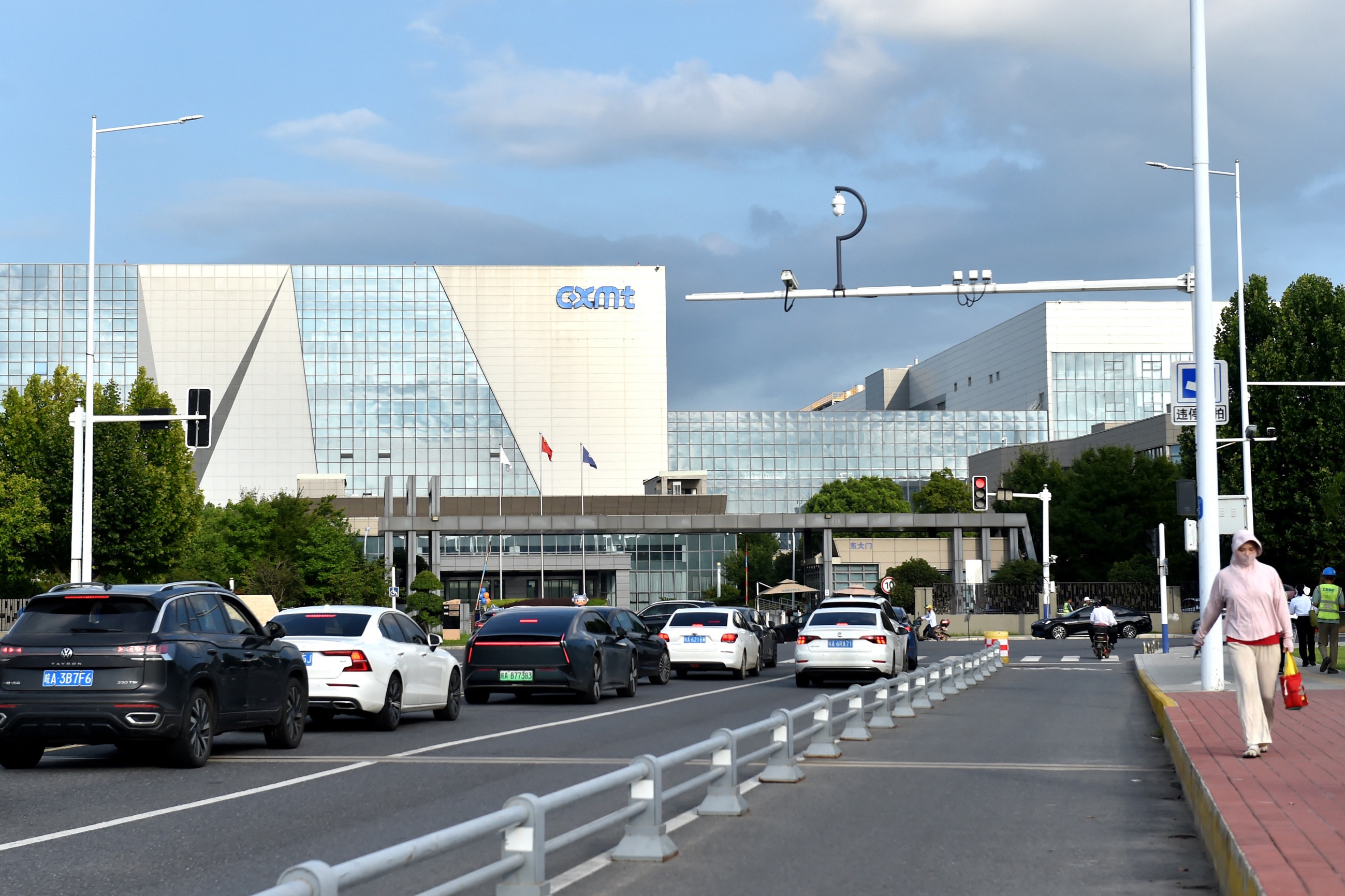
Changxin Memory Technologies (CXMT) has started shipping HBM3E AI memory chips to Alibaba T-Head and Cambricon Technologies. This development arrives approximately one year earlier than the 2027 target projected by major industry forecasts, indicating that while yields remain low, US export controls have not stopped China from crossing into advanced AI memory production
Huawei Ascend 910C Sold Out; Nvidia H200 Supply Gap Persists
Huawei’s Ascend 910C AI chips are fully sold out in China, reflecting intense domestic demand for local hardware. However, domestic chips still cannot fully replace Nvidia’s H200s, creating a significant compute shortage that affects global inference system deployment timelines and pricing
Nvidia Confirms First H200 Sales to China
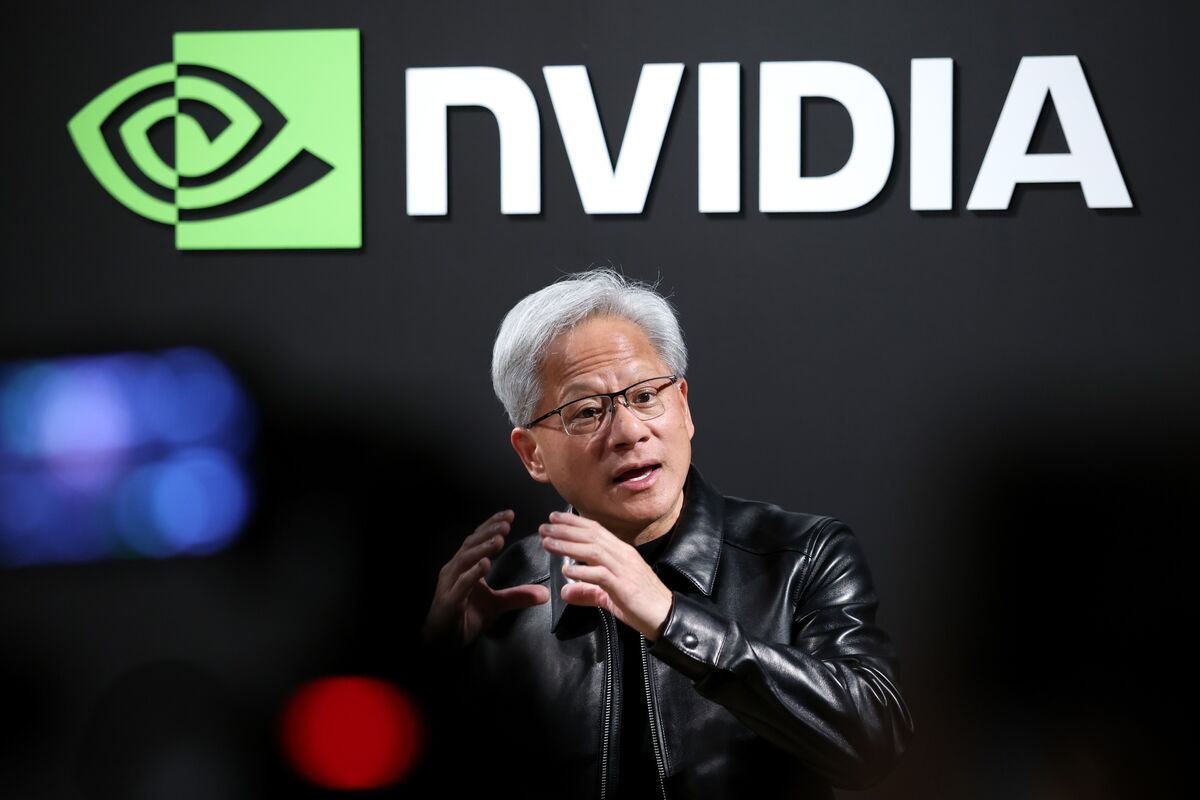
Nvidia Corp. confirmed it sold a small number of H200 chips to Chinese customers in the most recent quarter. Despite Washington’s approval for these exports, shipments fell significantly short of the total permitted volume, underscoring the friction in resuming high-end chip trade between the two nations
US Weighs Ban on Cloud Access to Nvidia Chips in SE Asia
A new front in the chip war is emerging beyond physical silicon exports. A draft US rule aims to block Chinese firms from renting Nvidia GPU compute via data centers in Thailand and Singapore, targeting the "cloud loophole" used to bypass direct hardware restrictions
Local view
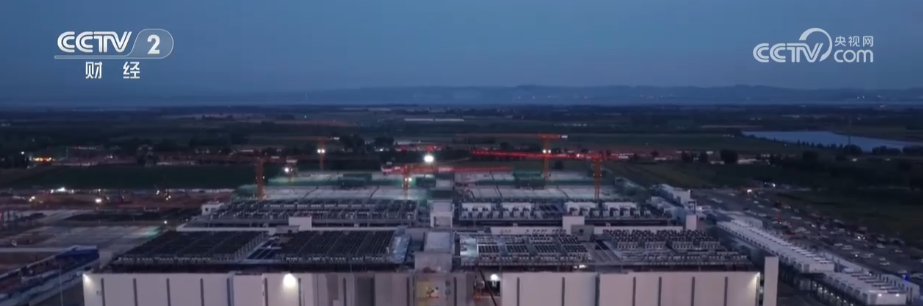
Chinese state media reports that domestic AI chip leaders are experiencing a surge in demand, with orders for companies like Biren Technology, Cambricon, and Moore Threads booked out for up to three years. The narrative emphasizes a transition from "usable" to "high-performance" domestic chips, driven by a shift in procurement preferences away from foreign suppliers
Context & numbers
- Market Share: Analysts suggest homegrown AI accelerators will supply nearly 90% of China’s domestic market in 2026, with Huawei and Cambricon as primary beneficiaries
- H200 Quotas: ByteDance and Tencent each received roughly 10,000 H200 units, representing only 13% of their licensed quota of 75,000 each. Beijing’s NDRC now controls future purchases through case-by-case review
On the radar
- Cloud Access Rules: Watch for finalization of the draft US rule restricting access to Nvidia GPUs via third-party data centers in Southeast Asia (Thailand/Singapore).
- SMIC Node Analysis: TechInsights recently published a report confirming that SMIC’s N+3 process (used in Huawei’s Kirin 9030 Pro) still lags behind leading-edge nodes, maintaining the performance gap despite localization efforts
This content was collected, curated, and summarized entirely by AI — including how and what to gather. It may contain inaccuracies. Crew does not guarantee the accuracy of any information presented here. Always verify facts on your own before acting on them. Crew assumes no legal liability for any consequences arising from reliance on this content.
Powered by
