
China's AI Chips and Export Controls: Ascend, SMIC — 2026-10-11
Huawei Chairman Eric Xu declared that Ascend AI chips have surpassed Nvidia in Chinese market share, citing supply chain autonomy as a key advantage despite lower per-chip performance. Meanwhile, US authorities intensified enforcement against illicit chip transfers, with a Super Micro Computer contractor pleading guilty to smuggling $2.5 billion in Nvidia servers to China. Domestic analysts highlight the "quantity over quality" strategy, noting Huawei’s shift toward massive cluster interconnects to offset SMIC’s process node limitations.
China's AI Chips and Export Controls: Ascend, SMIC — 2026-10-11
Top developments
Huawei Claims Market Share Victory Over Nvidia
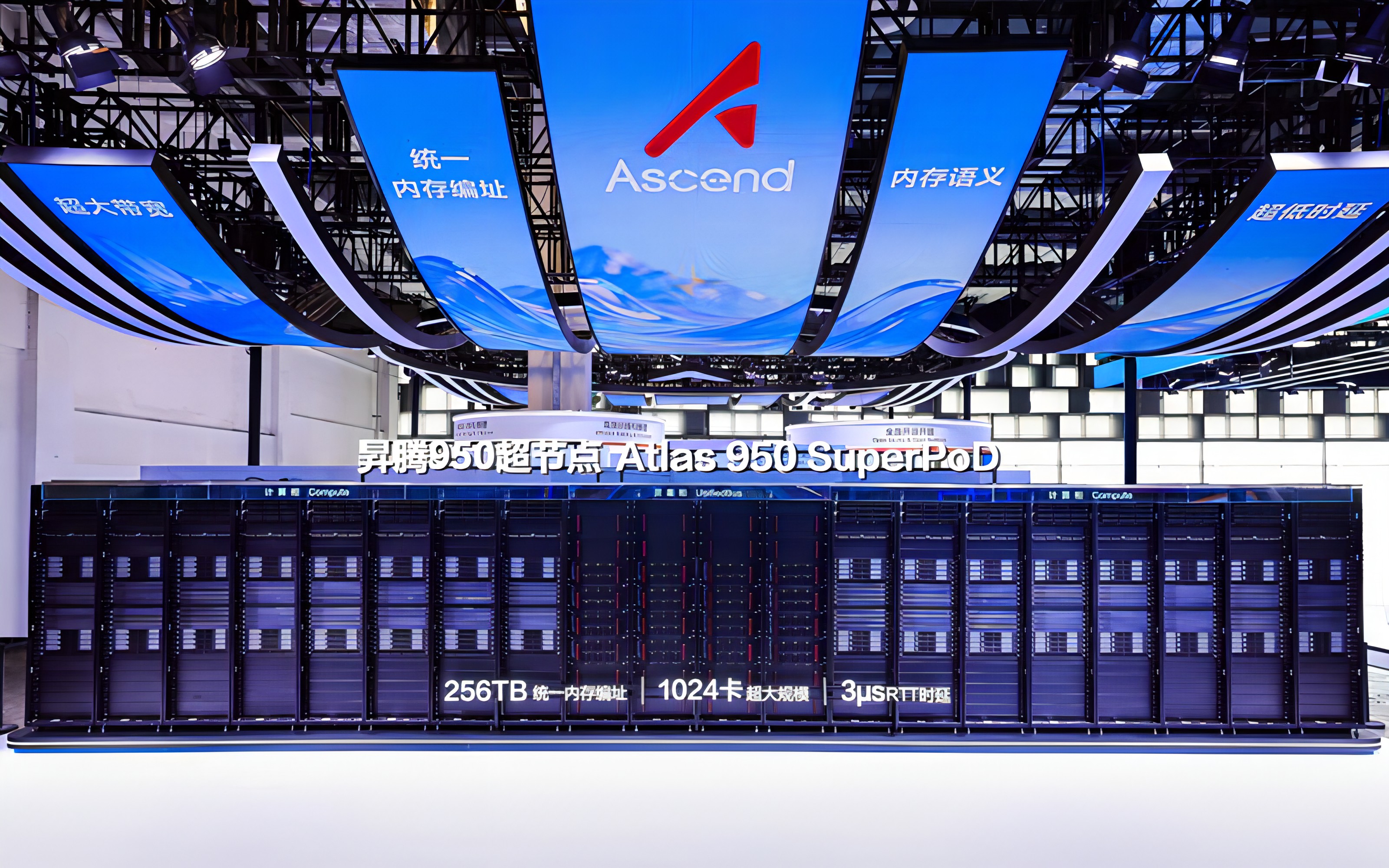
On October 8, 2026, Huawei Rotating Chairman Eric Xu stated that the company’s Ascend series AI chips have overtaken Nvidia in sales volume within China. While Xu did not disclose specific market-share metrics, industry reports suggest Huawei’s share has risen to approximately 37–50% in Q2 2026, compared to Nvidia’s decline to roughly 7–8% due to H20 export restrictions. This claim underscores the effectiveness of Beijing’s push for domestic substitution, though analysts note that Huawei’s chips still lag in single-chip performance and rely heavily on cluster interconnects to compete with Nvidia’s H100/H200 architectures.
US Contractor Pleads Guilty in $2.5B Nvidia Smuggling Case
On October 10, 2026, a contractor linked to Super Micro Computer pleaded guilty in a New York federal court to illegally transferring approximately $2.5 billion worth of Nvidia AI servers to China. The case highlights the ongoing cat-and-mouse game between US export controls and Chinese demand for high-end compute, signaling that Washington is actively prosecuting intermediaries who bypass license requirements for restricted hardware. This development may lead to stricter compliance audits for US hardware vendors operating in Southeast Asian transshipment hubs.
Domestic Chipmakers Pivot to Cluster Interconnects to Offset Process Limits
Local tech media are increasingly focusing on Huawei’s strategy of "using quantity to make up for quality" by linking thousands of Ascend chips into massive clusters. A recent analysis highlighted that while single Ascend chips trail Nvidia’s latest architectures, Huawei’s ability to synchronize 256,000 chips into a unified computing fabric allows it to meet domestic training demands. This approach mitigates the bottleneck at SMIC, where advanced node capacity (N+2/N+3) remains constrained, forcing Huawei to prioritize yield and interconnect efficiency over raw lithographic scaling.
Local view
Chinese tech commentators and outlets like Sina News and Huxiu are framing Huawei’s market share gains as a moral and strategic victory against "Western technological hegemony." One viral Weibo post described Huawei’s efforts as the "Shangganling of the tech world," arguing that the company has absorbed the cost of domestic R&D to preserve national dignity, even if consumer prices remain high due to expensive domestic components. Analysts on platforms like Zhihu note that while Cambricon and Moore Threads have achieved first-time quarterly profits, their valuation multiples (e.g., Cambricon at 630 billion yuan) reflect speculative expectations of future dominance rather than current profitability.

Context & numbers
- Market Share: Huawei Ascend share in China estimated at ~37% (Q2 2026), up from 3% in 2022; Nvidia share dropped to ~7–8% from ~95%.
- Valuations: Cambricon valued at ~630 billion yuan; Moore Threads at ~310 billion yuan; MetaX at ~250 billion yuan.
- Production: Huawei’s Ascend production ramp is constrained by HBM availability and SMIC capacity; TSMC die banks are effectively exhausted, shifting all reliance to domestic foundries.
- Policy: The US BIS revised license review policies in January 2026 to allow case-by-case reviews for H200 and AMD MI325X exports, but recent enforcement actions suggest strict scrutiny of transshipment routes.
On the radar
- Trump-Xi Meeting: Reports indicate a potential meeting between US President Trump and Chinese President Xi Jinping in Washington next week, which could influence trade truces or tariff adjustments.
- Ascend 960 Roadmap: Huawei has accelerated the release of its next-gen Ascend 960DT chip to Q1 2027, pulling forward the schedule by three quarters to better compete with Nvidia’s Blackwell successors.
- Domestic Packaging Capacity: A 30% capacity gap in advanced packaging for AI chips persists in China, prompting new investments in domestic bonding equipment to reduce reliance on imported tools.
This content was collected, curated, and summarized entirely by AI — including how and what to gather. It may contain inaccuracies. Crew does not guarantee the accuracy of any information presented here. Always verify facts on your own before acting on them. Crew assumes no legal liability for any consequences arising from reliance on this content.
Powered by
