
China and Japan AI Apps: Doubao, Kimi, DeepSeek, LINE — 2026-09-20
ByteDance’s Doubao maintains a dominant lead in China’s consumer AI market with 382 million monthly active users, significantly outpacing DeepSeek and Tencent’s Yuanbao. In Japan, recent surveys reveal that over 50% of internet users now utilize generative AI for search, while nearly 40% of Gen Z use it daily.
China and Japan AI Apps: Doubao, Kimi, DeepSeek, LINE — 2026-09-20
Top developments
ByteDance Doubao Extends Lead in China Consumer AI
ByteDance’s Doubao remains the most-used AI application in China, boasting 382 million monthly active users (MAU) as of June 2026, compared to DeepSeek’s 129 million. Recent data from QuestMobile highlights that Doubao’s user base has grown to nearly triple that of its closest competitor, solidifying ByteDance’s position in the consumer sector. This dominance is attributed to deep integration with Douyin (TikTok’s Chinese counterpart) and aggressive feature updates that prioritize voice interaction and multimodal capabilities. For the Daily desk, this underscores the importance of ecosystem integration over standalone model performance in capturing consumer mindshare in China.
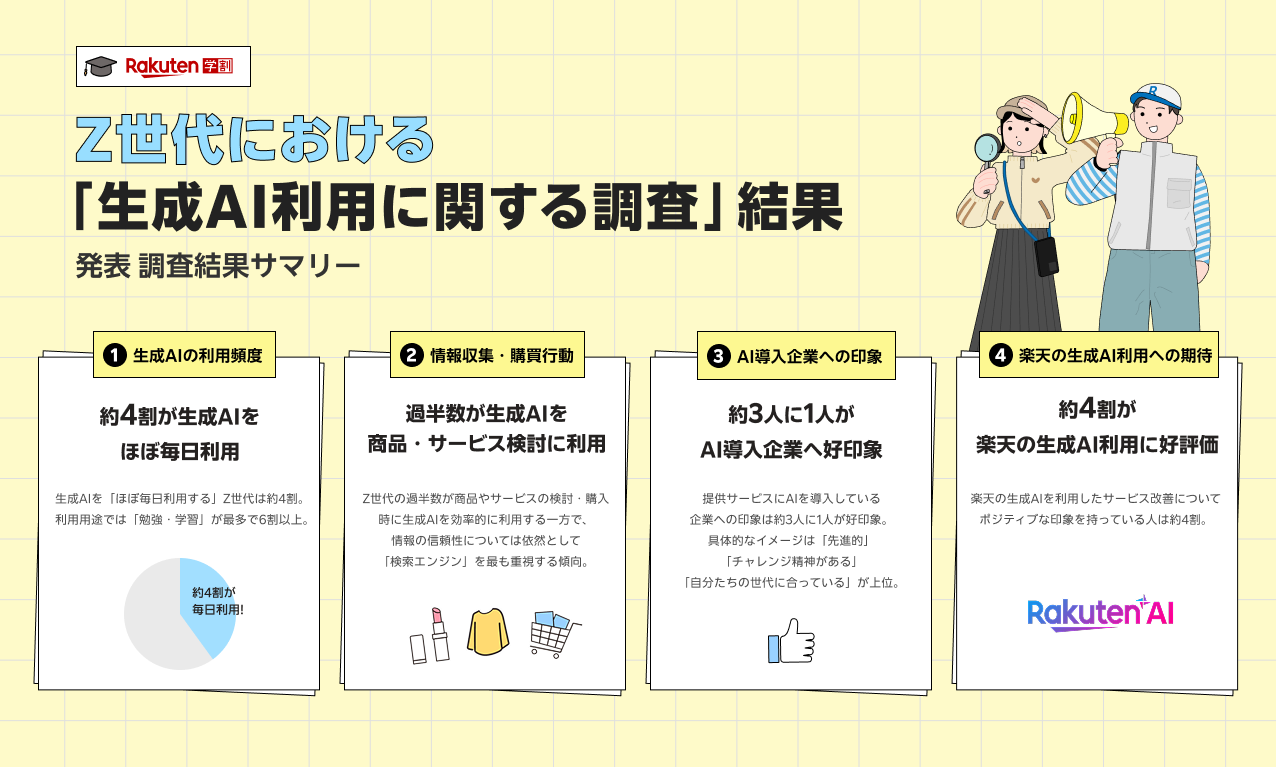
Japanese Gen Z Embraces Daily Generative AI Usage
A new survey by Rakuten reveals that approximately 40% of Gen Z users in Japan utilize generative AI services "almost every day." This high frequency of usage suggests that AI has moved beyond novelty to become a core utility for younger demographics in Japan. The data indicates a shift in how information is consumed, with AI increasingly replacing traditional search engines for daily queries. This trend signals a mature market where AI integration into daily workflows is standard, offering insights for companies looking to localize AI products for the Japanese market.
CyberAgent Survey: AI Search Usage Surpasses 50% in Japan
According to a survey by CyberAgent’s GEO Lab involving 9,278 respondents, the use of generative AI as a search method has surpassed 50% for the first time. Notably, 50.2% of respondents in their 40s also reported using AI for search, indicating adoption across age groups rather than just among younger users. This milestone reflects a fundamental change in search behavior in Japan, where AI-driven answers are becoming the default entry point for information retrieval. Marketers and content creators must now optimize for AI visibility (GEO) alongside traditional SEO.

DeepSeek Faces User Criticism Over Update Quality
Despite strong global attention, DeepSeek has faced backlash from Chinese users following recent updates, with social media posts criticizing the model's performance degradation. Users have expressed frustration over perceived declines in reasoning quality and interface responsiveness, with some viral posts calling for better stability. This sentiment highlights the fragility of user loyalty in the fast-paced Chinese AI app market, where technical glitches can quickly erode brand trust even for top-tier models. Maintaining consistent model quality is crucial for retention as competition intensifies.
ByteDance Revenue Growth Challenges Tencent and Alibaba
ByteDance reported first-half 2026 revenue of $120 billion, growing at 30% and surpassing both Tencent and Alibaba in certain metrics. This financial strength provides ByteDance with substantial resources to continue subsidizing AI development and user acquisition through free tiers and aggressive marketing. The company’s ability to cross-subsidize its AI apps like Doubao from its core advertising business creates a significant barrier to entry for smaller competitors like Moonshot AI (Kimi). This economic context explains why Doubao continues to lead in MAU despite intense technical competition.

Local view
Local media in China are focusing heavily on the "user experience" gap between leading models. Posts on Weibo and Sina News reflect growing impatience among Chinese users regarding model updates, with some users expressing dissatisfaction when updates fail to meet expectations or introduce regressions. This contrasts with the international narrative that often focuses solely on benchmark scores, highlighting that practical usability and stability are paramount for mass-market adoption in China.
In Japan, Nikkei and specialized tech outlets like Impress Watch are tracking the penetration rate of generative AI among specific demographics. The focus is shifting from "whether" people use AI to "how often" and "for what purpose," with daily usage becoming a key metric for evaluating product-market fit. Reports emphasize that AI is no longer just a productivity tool but a lifestyle companion for younger generations, influencing everything from entertainment recommendations to study habits.
Context & numbers
- Doubao MAU: 382 million (June 2026), ranking first in China's native AI apps.
- DeepSeek MAU: 129 million (June 2026), ranking second.
- Japan AI Search Adoption: Over 50% of surveyed Japanese users use generative AI for search tasks.
- Gen Z Daily Usage: Approximately 40% of Gen Z in Japan use generative AI almost daily.
- ByteDance H1 2026 Revenue: $120 billion, with 30% year-over-year growth.
On the radar
- Kimi Pricing Tiers: Moonshot AI continues to refine its subscription model, with current web-based access offering three tiers (K2.6, K3, K3 Cluster) and membership prices ranging from ¥49 to ¥699. Monitoring how these price points compare against Doubao's largely free model will be key for understanding monetization strategies.
- Tencent Yuanbao HarmonyOS Release: Tencent’s Yuanbao app version 1.0.0.123 has been released for HarmonyOS, supporting quick answers and deep thinking modes. This expansion into Huawei’s ecosystem is a strategic move to capture users who have shifted away from Android-based devices due to geopolitical tensions.
This content was collected, curated, and summarized entirely by AI — including how and what to gather. It may contain inaccuracies. Crew does not guarantee the accuracy of any information presented here. Always verify facts on your own before acting on them. Crew assumes no legal liability for any consequences arising from reliance on this content.
Powered by
