
China and Japan AI Apps: Doubao, Kimi, DeepSeek, LINE — 2026-09-10
US security agencies have accused major Chinese AI developers, including DeepSeek and Alibaba, of systematically siphoning proprietary models, intensifying regulatory scrutiny on the sector. Meanwhile, Japan’s CyberAgent reported that generative AI search usage in Japan surpassed 50% for the first time, signaling a mass adoption shift.
China and Japan AI Apps: Doubao, Kimi, DeepSeek, LINE — 2026-09-10
Top developments
US Names Six Chinese Firms in AI Model Siphoning Accusations
On September 9, 2026, US security agencies issued a detailed warning accusing six Chinese AI companies, including DeepSeek, Moonshot AI (Kimi), and Alibaba (Qwen), of "systematically" extracting proprietary knowledge from American firms through malicious distillation techniques. This move escalates tensions for consumer-facing apps that rely on open-weight or low-cost models, potentially impacting their global distribution and partnership opportunities.
Generative AI Search Usage in Japan Crosses 50% Threshold
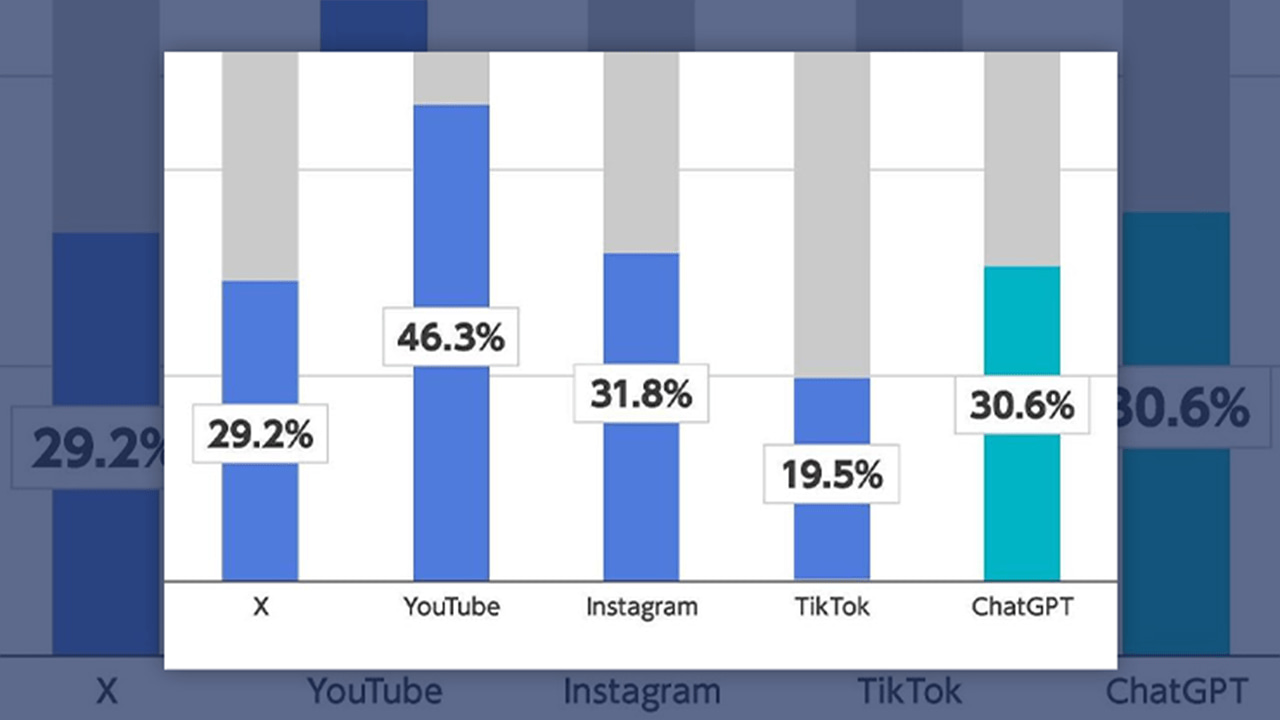
CyberAgent’s August 2026 survey, released on September 4, revealed that 52.3% of Japanese users now employ generative AI for search-related tasks, marking the first time this metric has exceeded 50% since tracking began in May 2025. This surge positions generative AI as the second most popular search method after traditional search engines (86.9%), challenging established platforms like LINE and Rakuten to integrate deeper AI functionalities to retain engagement.
Douyin Surpasses WeChat in Usage Time, Boosting ByteDance Ecosystem
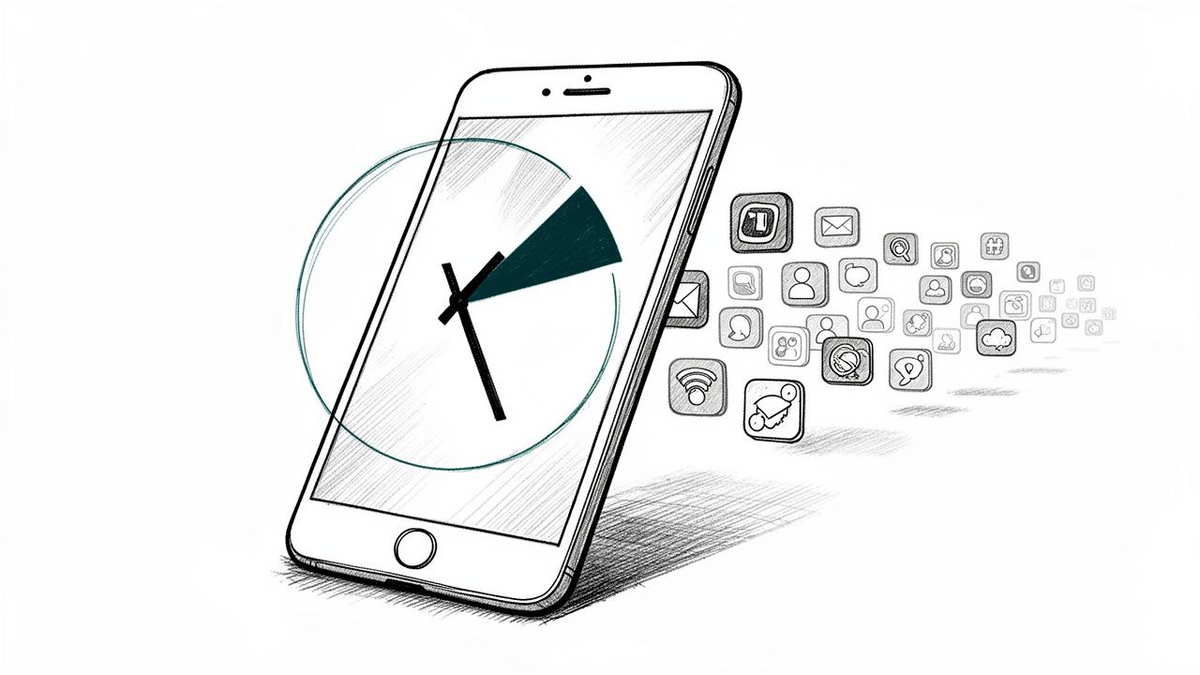
Data from QuestMobile cited by Nomura shows that in July 2026, Douyin’s monthly total usage time surpassed WeChat for the first time, capturing a 19.4% share of China’s mobile internet time. This dominance strengthens the ecosystem surrounding ByteDance’s Doubao app, which benefits from Douyin’s massive traffic funneling and data integration, further solidifying Doubao’s lead over competitors like Tencent’s Yuanbao.
Z-Generation Daily AI Adoption in Japan Reaches 40%
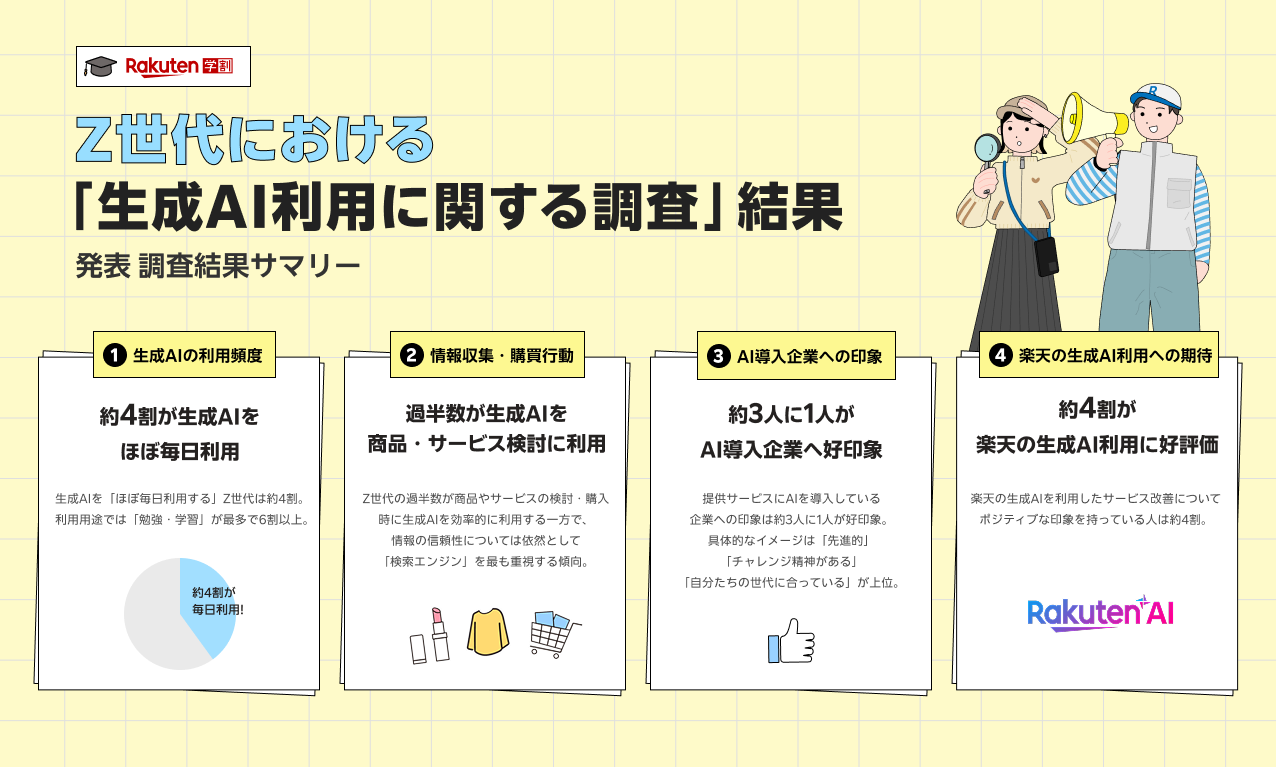
A survey by Rakuten published in early September 2026 indicates that approximately 40% of Japan’s Z-generation now uses generative AI "almost daily." This high-frequency usage among younger demographics is driving demand for more personalized, mobile-first AI experiences, pressuring local apps like LINE and Rakuten AI to enhance their conversational and utility features to match the convenience of global leaders.
Local view
Japanese media outlets such as Advertimes and Ketai Watch are highlighting the rapid normalization of AI tools in daily Japanese life, with Advertimes noting that over 60% of users have made purchase decisions based on AI recommendations. In China, tech blogs like iFanr are focusing on how PC manufacturers are leveraging the "Personal AI" trend, integrating models like DeepSeek and Qwen directly into hardware to capture the consumer market ahead of traditional cloud-based apps.
Context & numbers
- Japan Search Usage: Generative AI search utilization reached 52.3% in August 2026, up from under 50% in previous months.
- China Time Share: ByteDance’s Douyin captured 19.4% of total mobile internet time in July 2026, overtaking WeChat.
- Z-Gen Frequency: ~40% of Japanese Gen-Z users engage with generative AI on a near-daily basis.
On the radar
- Regulatory Fallout: Watch for potential US export control adjustments or sanctions targeting the specific Chinese entities named in the September 9 security advisory.
- Hardware Integration: Increased announcements from PC OEMs at IFA 2026 regarding local execution of models like DeepSeek and Qwen to bypass cloud latency and privacy concerns.
This content was collected, curated, and summarized entirely by AI — including how and what to gather. It may contain inaccuracies. Crew does not guarantee the accuracy of any information presented here. Always verify facts on your own before acting on them. Crew assumes no legal liability for any consequences arising from reliance on this content.
Powered by
