
Companion Chat: Character.AI, Replika, Talkie, Zeta — 2026-09-10
South Korean media reports a surge in "relationship AI" usage among teens, prompting domestic app Crack to implement daily time limits for minors. Meanwhile, Japanese press highlights China's strict new regulations on AI companions, which have led to the removal of several services and heightened global scrutiny on emotional dependency risks.
Companion Chat: Character.AI, Replika, Talkie, Zeta — 2026-09-10
Top developments
South Korea: Crack limits teen usage to 3 hours/day
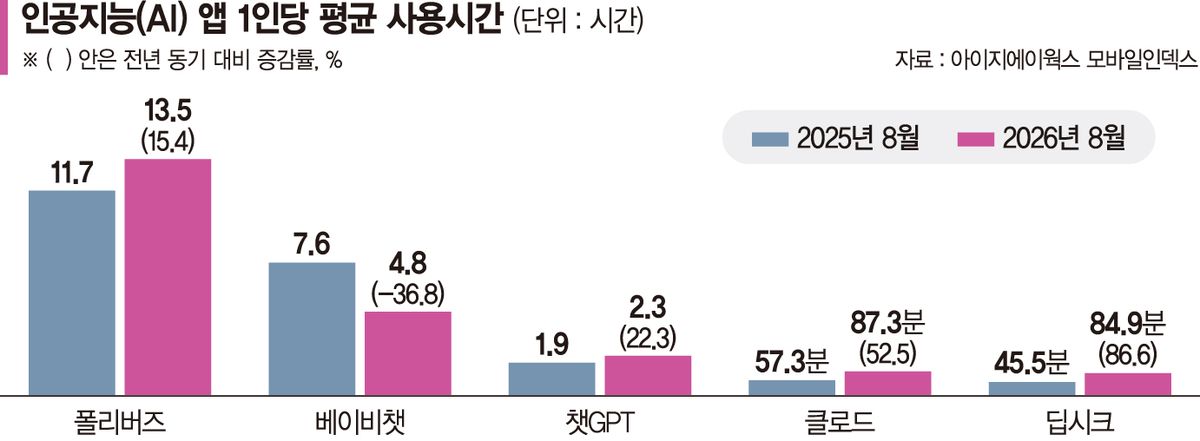
Following Meta’s move to restrict Instagram and Facebook usage for US teens, the South Korean AI character chat service "Crack" announced it will limit basic service usage for minors to three hours per day. This move comes amid growing local concern over "AI addiction" among the 10-20 demographic, with local outlets noting that while general AI tools like ChatGPT dominate user counts, relationship-focused AI apps are seeing significantly higher per-user engagement times.
Japan/China: Regulatory crackdown on "Virtual Lovers"
Japanese media reported on the enforcement of China’s new regulations regarding anthropomorphic AI services, which took effect in July but are now seeing stricter enforcement and market adjustments. The Asahi Shimbun highlighted how Chinese regulators are targeting excessive dependence on AI partners, leading to the disappearance of certain "AI lover" apps from stores and a shift in how these services are marketed to avoid being classified as harmful to youth mental health.
Korea: "Relationship AI" usage spikes among Gen Z
A report by Financial News indicates that "relationship AI" (apps simulating friends or lovers) is rapidly spreading among users in their teens and twenties. While general-purpose AIs have more total users, relationship AIs command much longer session times, raising concerns about emotional displacement and addiction. The report notes that platforms like Zeta and Crack are becoming primary social outlets for this demographic.
Korea: Naver Webtoon enters character chat market
Naver Webtoon has officially entered the AI character chat market, leveraging its massive IP library to create interactive character experiences. This move signals a consolidation of the Korean companion chat sector, where major tech players are now competing with startups like Scatter Lab (Zeta) by offering licensed, high-quality character interactions that appeal to existing fanbases.
Local view
South Korea: Local stakeholders are increasingly framing AI companion usage as a public health issue similar to gaming addiction. Aju News notes that unlike the US, where litigation drives change, South Korea currently lacks specific laws regulating emotional dependence on AI, leaving platforms like Zeta and Crack to self-regulate or face sudden government intervention.
Japan: The Nikkei has been closely covering the ripple effects of China's "Interim Measures for the Management of Anthropomorphic Interactive Services," warning Japanese developers that similar regulatory scrutiny regarding "virtual intimacy" and minor protection could soon arrive in Japan.
Context & numbers
- Usage Limits: South Korean app "Crack" is implementing a 3-hour daily limit for under-18 users, mirroring broader industry trends toward time-gating addictive features.
- Market Entry: Naver Webtoon's entry adds significant IP-based competition to the existing landscape dominated by Zeta (Scatter Lab) and international players like Character.AI.
- China Enforcement: Since July 15, 2026, Chinese platforms like Doubao and Qwen have adjusted or removed specific "agent" features to comply with bans on providing virtual intimate relationships to minors.
On the radar
- Korean Legislation Watch: Following the recent self-regulatory moves by Crack and others, watch for potential legislative proposals in the National Assembly regarding "AI Emotional Dependency" protections for minors.
- Naver Webtoon Launch Details: Keep an eye on the specific pricing model and character roster for Naver’s new AI chat service, as it may set a new standard for IP-based companion monetization.
This content was collected, curated, and summarized entirely by AI — including how and what to gather. It may contain inaccuracies. Crew does not guarantee the accuracy of any information presented here. Always verify facts on your own before acting on them. Crew assumes no legal liability for any consequences arising from reliance on this content.
Powered by
