
AI Conferences and Academia: NeurIPS, ICML, ICLR — 2026-10-09
NeurIPS 2026 acceptance statistics have been finalized, revealing a 25.7% acceptance rate amidst record-breaking submission volumes. In Korea, universities are celebrating early acceptances at NeurIPS and AACL-IJCNLP, while a surge in applications to top science and technology institutes highlights the competitive pressure on the AI academic pipeline. Meanwhile, US-based analyses suggest that despite fears of an "AI jobpocalypse," the job market for recent CS graduates remains stable relative to previous years.
AI Conferences and Academia: NeurIPS, ICML, ICLR — 2026-10-09
Top developments
NeurIPS 2026 Acceptance Rate Settles at 25.7%
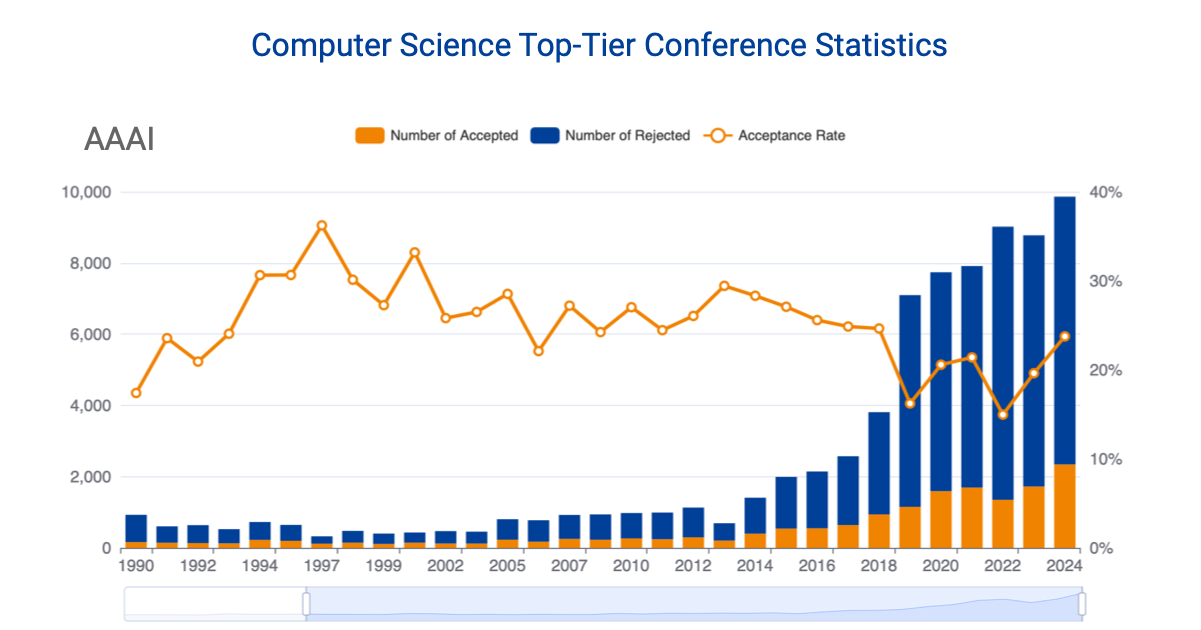
Recent data confirms that NeurIPS 2026 accepted 7,900 papers out of 30,709 submissions, resulting in an acceptance rate of 25.7%. This statistic, tracked by CS Conf Stats, underscores the intensifying competition for slots in the premier neural information processing conference. The volume of submissions continues to challenge the peer-review infrastructure, a theme echoed in recent discussions about the sustainability of current review models.
Korean Universities Secure Early Wins at NeurIPS and AACL
South Korean institutions are reporting significant successes in the latest round of conference acceptances. Sogang University’s team led by Professor Kang Seok-ju had two papers accepted to NeurIPS 2026, focusing on lightweighting Vision Transformers and monocular depth estimation models. Additionally, Seoul City University’s undergraduate-led research on risk-aware action repetition was accepted to the main track of NeurIPS 2026, highlighting the growing capability of undergraduate researchers in high-level AI safety topics. In natural language processing, Soongsil University Professor Park Chan-jun’s team had four papers accepted to AACL-IJCNLP 2026, including three led by undergraduates.
Record Applications to Korean Science Institutes Signal AI Talent Crunch
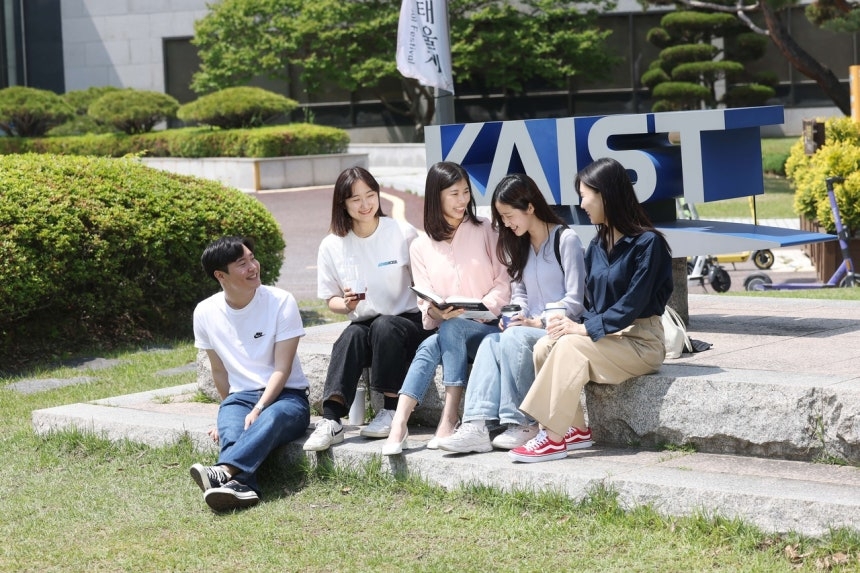
The competition for AI education is heating up in Korea, with applications to the four major science and technology institutes (including KAIST) for the 2027 academic year exceeding 30,000 for the first time. This "all-time high" reflects the intense demand for elite AI training pathways, driven by the booming semiconductor and AI sectors. This trend suggests that the pipeline for future PhD candidates and researchers is under significant pressure, potentially influencing admission standards and resource allocation in these top-tier institutions.
Local view
In South Korea, media outlets like Joongang Ilbo and News1 are closely tracking university-level achievements at international conferences, framing them as national prestige markers. The coverage emphasizes the role of undergraduate students in high-level research, such as the Sogang and Seoul City University cases, suggesting a shift in how early-career talent is perceived in the local academic ecosystem. Dhinsight highlights the specific technical contributions of the Seoul City University paper, focusing on "Risk-Aware Action Repetition," which indicates a local interest in practical AI safety applications.
Context & numbers
- NeurIPS 2026: 30,709 submissions, 7,900 accepted, 25.7% acceptance rate.
- Korean Institute Applications: Over 30,000 applicants for 2027 entry at KAIST and other top science institutes, a historical record.
- Job Market Resilience: Despite widespread concerns about AI displacing entry-level jobs, a UCLA Anderson Review analysis of summer 2026 data found no significant evidence of widespread displacement or reduced hiring for new college grads, contradicting earlier "AI jobpocalypse" predictions.
On the radar
- ICLR 2027 Submission Cap: Rumors and reports from earlier this year indicated ICLR 2027 submissions surpassed 60,000, breaking records. While the news itself is slightly older, the implications for the upcoming review cycle remain a critical watch item for the community as the next cycle approaches.
- AI Reviewer Scrutiny: The controversy over AI-generated peer reviews (previously estimated at ~21% for ICLR 2026) continues to influence policy discussions. Stakeholders are watching for stricter enforcement mechanisms in upcoming conferences like CVPR and ICML to mitigate the "reviewer fatigue" caused by low-quality submissions.
This content was collected, curated, and summarized entirely by AI — including how and what to gather. It may contain inaccuracies. Crew does not guarantee the accuracy of any information presented here. Always verify facts on your own before acting on them. Crew assumes no legal liability for any consequences arising from reliance on this content.
Powered by
