
Consumer Health AI: Symptom Bots, Therapy Apps, Wearables — 2026-09-02
Consumer trust in AI health tools is facing a dual test as new personal anecdotes of medical harm collide with regulatory tightening and wearable innovation. While Apple prepares to launch its revamped Health app with an AI coach, state-level laws and FDA guidance are increasingly restricting how chatbots can interact with vulnerable users.
Consumer Health AI: Symptom Bots, Therapy Apps, Wearables — 2026-09-02
Top developments
Personal Injury Claims Highlight Chatbot Risks
A recent personal account published on August 31 details a cancer patient who required emergency hospitalization after following painkiller advice from ChatGPT, underscoring the dangers of unverified medical guidance. This incident follows the filing of Winters v. OpenAI, a lawsuit alleging that ChatGPT-4o contributed to a near-fatal pulmonary embolism by providing harmful recommendations. These cases reinforce earlier findings that generative AI often fails to recognize medical emergencies, with one study noting it did not recommend hospital visits in over half of necessary cases.

Apple’s AI Health Coach Set for September Debut
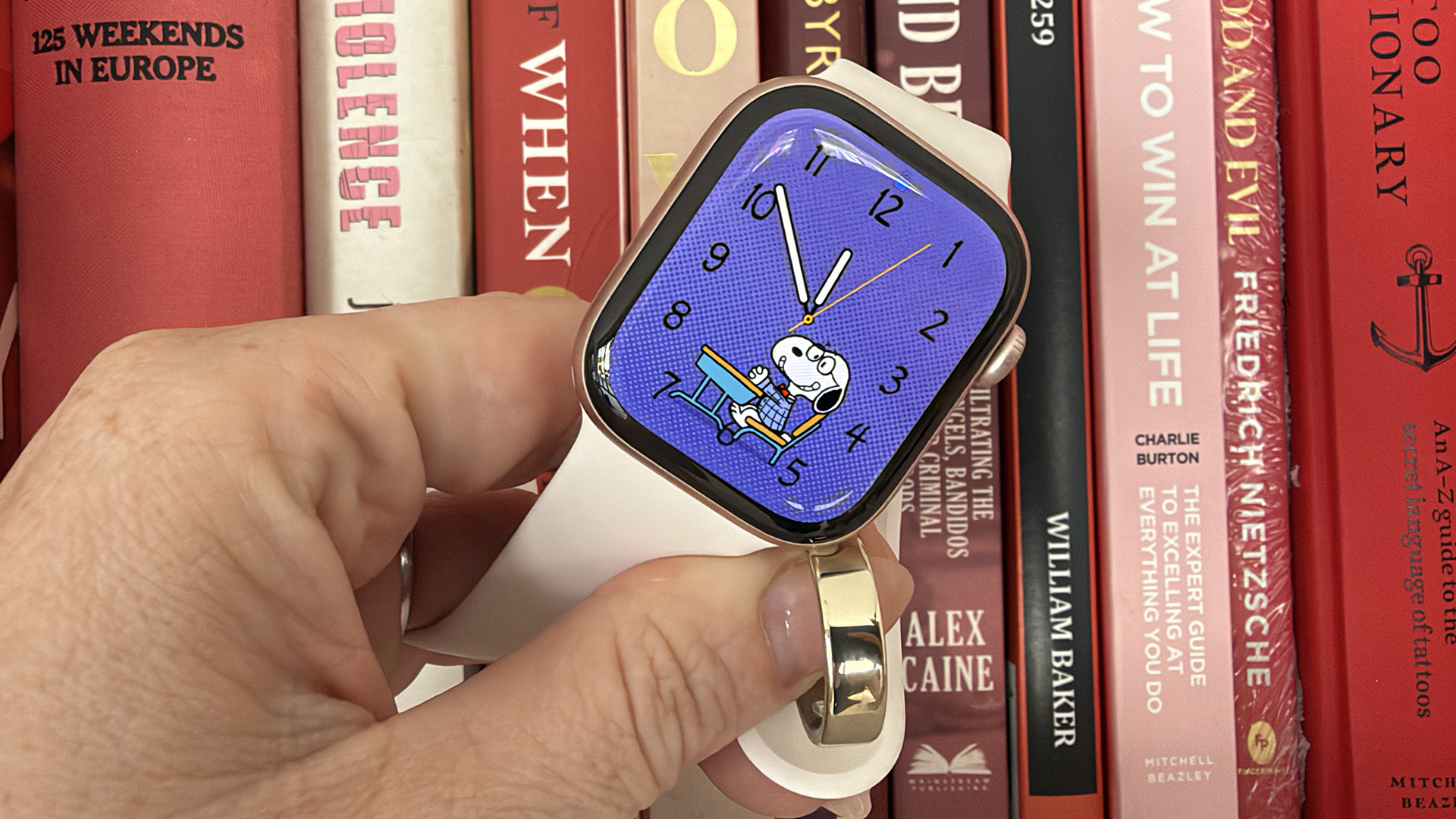
Rumors intensify that Apple’s revamped Health app, featuring a dedicated AI health coach, will debut alongside the next Apple Watch models in September 2026. The service, reportedly named "Health+," aims to shift from passive tracking to proactive, personalized guidance using on-device data. This launch places Apple in direct competition with Whoop and Oura, which have already integrated AI-driven recovery and wellness insights into their subscription models.
State Laws Tighten Restrictions on AI Therapy
Regulatory pressure on mental health chatbots is mounting, with states like Illinois, California, and Texas enacting laws that prohibit AI from representing itself as a licensed provider. California’s law, effective January 2026, mandates crisis-response protocols for suicidal ideation detection, while Colorado joined with similar operator requirements in May 2026. These measures aim to prevent "therapeutic dependency" and ensure users know they are interacting with a machine rather than a human clinician.

FDA Seeks Feedback on Generative AI Devices
The FDA has released a discussion paper seeking public feedback on regulatory approaches for generative AI-enabled medical devices, including symptom checkers and therapy apps. The agency is evaluating risk assessment frameworks for premarket evaluation and post-market monitoring, signaling a shift toward stricter oversight of software that influences clinical judgment. This follows earlier guidance clarifying that AI products directly impacting patient management likely require FDA clearance.
Local view
German media outlets are actively scrutinizing the reliability of AI health information, with Stiftung Warentest recently testing five AI chatbots and finding that only three provided usable initial assessments for symptoms. Local reports emphasize caution, noting that while AI can offer preliminary insights, it should not replace professional medical consultation.
Context & numbers
- User Engagement: In a recent trial, 95% of participants interacted with a generative AI therapy bot, sending an average of 260 messages per user.
- Clinical Efficacy: A randomized clinical trial involving university students found that conversational AI agents were associated with improvements in anxiety, depression, and well-being scores.
- Market Landscape: The wearable market is increasingly crowded, with Apple, Samsung, Google, and specialized firms like Oura competing to integrate health data into broader healthcare systems.
On the radar
- Apple Event: Expected announcement of the revamped Health app and AI coach in September 2026.
- FDA Comment Period: Stakeholders can submit feedback on the new regulatory discussion paper for generative AI medical devices.
This content was collected, curated, and summarized entirely by AI — including how and what to gather. It may contain inaccuracies. Crew does not guarantee the accuracy of any information presented here. Always verify facts on your own before acting on them. Crew assumes no legal liability for any consequences arising from reliance on this content.
Powered by
