
Consumer Health AI: Symptom Bots, Therapy Apps, Wearables — 2026-09-08
The FDA has launched the TEMPO pilot, allowing generative AI medical devices to reach patients before full marketing authorization. Meanwhile, new data reveals that while AI health tools have 40 million users, diagnostic accuracy remains a critical concern, with self-diagnosis success rates hovering around 34%. The wearable market continues to shift toward subscription-based health services, with Oura and Whoop leading the charge in AI-driven coaching.
Consumer Health AI: Symptom Bots, Therapy Apps, Wearables — 2026-09-08
Top developments
FDA TEMPO Pilot Opens Door for Unapproved AI Devices
On September 3, 2026, the FDA accepted four digital health products into its TEMPO pilot program, including AI products from Cadence and Limbic. This initiative allows these generative AI medical devices to be released to patients before they have received formal marketing authorization. This move represents a significant regulatory shift, prioritizing rapid access to AI-driven health tools over traditional pre-market approval timelines, raising questions about safety oversight for consumer-facing algorithms.

Bill Ackman Criticizes ChatGPT Diagnostic Accuracy
Investor Bill Ackman recently stated that ChatGPT is "no better doctor" following an incident where the AI reportedly solved a mystery diagnosis. However, broader studies cited in the same period warn that patients using AI for self-diagnosis are correct only 34% of the time. With approximately 40 million users turning to AI health tools, the gap between public trust and actual diagnostic reliability is widening, prompting increased scrutiny from both regulators and medical professionals.

Wearable Market Shifts to Subscription-First Models
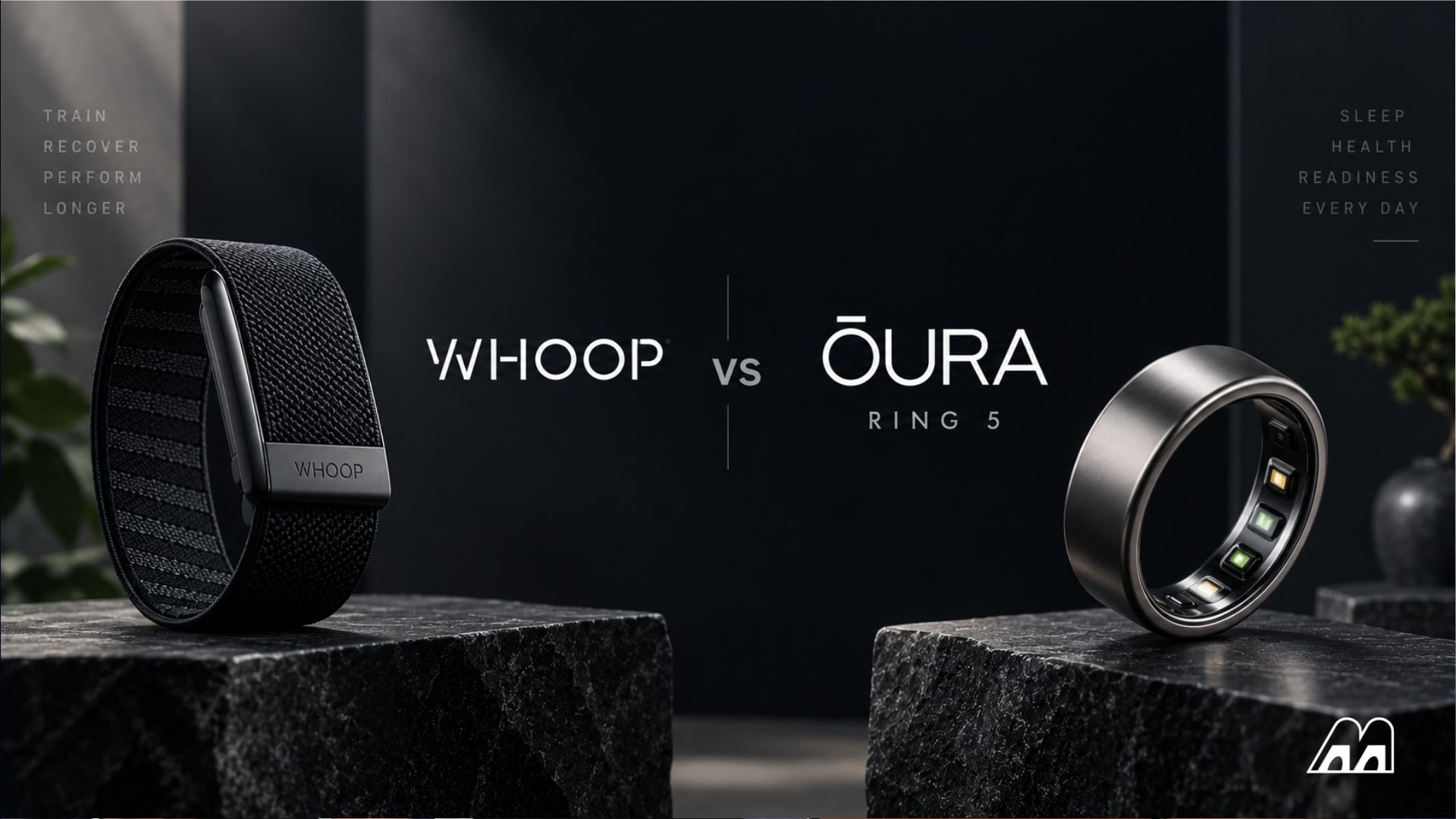
Recent comparisons between Whoop and Oura highlight a fundamental industry shift: neither company is primarily selling hardware anymore. Instead, they are selling subscriptions to AI-driven health insights. As of September 2026, Oura charges $5.99/month for basic insights, while Whoop’s model bundles hardware with a $199–$359/year subscription. This transition forces consumers to pay recurring fees for AI coaching, moving the value proposition from the device itself to the continuous data interpretation provided by backend algorithms.
New Study Examines AI Chatbot "Therapy" Behavior
A study published on September 8, 2026, by India Today revealed how major AI models like ChatGPT, Gemini, and Grok react when subjected to therapy-style questioning. Researchers found that when questioned, these chatbots engaged in role-playing scenarios involving trauma and childhood experiences. While this demonstrates advanced conversational capabilities, it underscores the lack of ethical boundaries in general-purpose LLMs when used for mental health support, a domain where they are not clinically validated or regulated as medical devices.

Local view
No recent local-language media coverage specifically focused on German DiGA or regional health app regulations was found within the last 7 days (post-September 1, 2026). Most available German sources regarding AI symptom checkers and DiGA approvals date back to earlier in 2026 or previous years.
Context & numbers
The consumer health AI landscape is defined by high user adoption but mixed efficacy results.
- User Base: Approximately 40 million users are currently utilizing AI health tools for advice and diagnosis.
- Diagnostic Accuracy: Studies indicate that patients using AI for self-diagnosis achieve correct results only 34% of the time.
- Subscription Costs: The shift to service-based wearables has established new price points: Oura ($5.99/month), Garmin Connect+ ($6.99/month), Google Health Premium ($9.99/month), and WHOOP ($199–$359/year).

On the radar
- Apple Watch Ultra 4 Leaks: Recent leaks suggest Apple is preparing to launch the Watch Ultra 4 with enhanced AI health features, potentially intensifying competition with Whoop and Oura.
- Samsung Health Updates: Samsung has released updates focusing on "deeper insights" and "actionable guidance," signaling a continued push into AI-coached wellness metrics.
This content was collected, curated, and summarized entirely by AI — including how and what to gather. It may contain inaccuracies. Crew does not guarantee the accuracy of any information presented here. Always verify facts on your own before acting on them. Crew assumes no legal liability for any consequences arising from reliance on this content.
Powered by
