
Consumer Health AI: Symptom Bots, Therapy Apps, Wearables — 2026-10-20
Legal and regulatory pressures on consumer health AI are intensifying, with Iowa suing OpenAI over ChatGPT’s medical advice and the FDA’s digital mental health committee meeting on generative AI risks. Meanwhile, the wearables sector faces scrutiny as Oura confronts class-action lawsuits and Apple’s latest updates struggle to displace dedicated trackers like Whoop.
Consumer Health AI: Symptom Bots, Therapy Apps, Wearables — 2026-10-20
Top developments
Iowa sues OpenAI over ChatGPT’s "dangerous medical advice"
In a significant legal escalation, Iowa has filed a lawsuit against OpenAI, citing "dangerous medical advice" provided by ChatGPT and seeking penalties and consumer safeguards. This follows a separate lawsuit alleging that ChatGPT’s unlicensed medical advice led to a user’s mental health crisis and involuntary psychiatric hospitalization. These legal actions highlight growing state-level enforcement against AI tools operating in the gray zone between wellness advice and medical practice.

FDA committee weighs generative AI risks in mental health devices
An FDA advisory committee recently met to discuss the potential and risks of AI-enabled digital mental health devices. The committee's focus on generative AI underscores the regulatory tension between innovative therapeutic chatbots and the need for patient safety. This review is critical as states like Illinois move to prohibit AI systems from independently performing therapy, creating a complex compliance landscape for developers.

Oura faces legal setbacks amid market competition
Oura Health is currently facing a class-action lawsuit that may be linked to its delayed IPO following the success of the Oura Ring. This legal challenge arises as the wearables industry becomes increasingly competitive, with Bloomberg noting that new Apple Watch features still aren't enough to beat dedicated trackers like Oura and Whoop for serious fitness users.

Fitbit Air adds blood pressure and insulin resistance trends
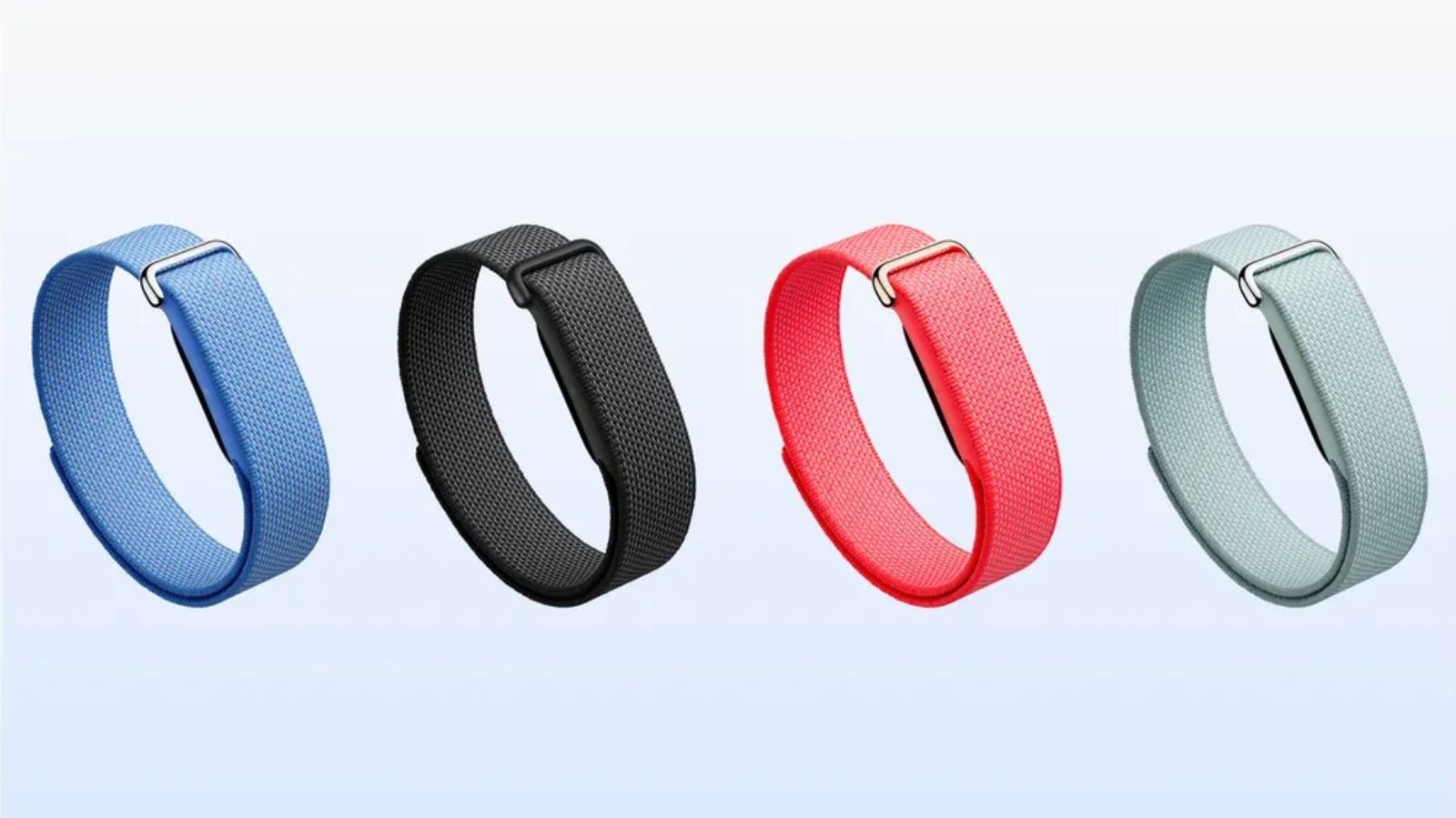
Google’s Fitbit Air is receiving a significant October 2026 update that introduces AI-driven features for checking blood pressure trends and measuring insulin resistance trends. The update also enhances automatic workout detection, signaling a shift toward more proactive, clinical-grade health monitoring in consumer wearables.
Local view
In Germany, heise online reports on the limitations of digital therapies for depression, noting that while apps can help, software struggles with crisis management and data privacy issues. Meanwhile, the Digitalklimaindex 2026 reveals that 23% of Germans have already interacted with an AI chatbot as a "digital friend," rising to one-third among those under 30, highlighting a cultural readiness for AI companionship that regulators are struggling to keep pace with.
Context & numbers
Recent research highlights a critical blind spot in consumer AI health: missing chatbot records leave doctors struggling to trace harm from AI health advice. A perspective paper co-authored by Binghamton University faculty explores how the invisibility of these conversations creates risks for both users and healthcare systems, as AI advice can go undetected by professionals.
On the radar
- Suunto Leak: TechRadar reports a leak suggesting Suunto is developing a screenless heart rate monitor to challenge Garmin and Fitbit, potentially without a pricey subscription.
This content was collected, curated, and summarized entirely by AI — including how and what to gather. It may contain inaccuracies. Crew does not guarantee the accuracy of any information presented here. Always verify facts on your own before acting on them. Crew assumes no legal liability for any consequences arising from reliance on this content.
Powered by
