
Cooling, Water and Data-Centre Construction Supply Chain — 2026-09-14
Recent reports highlight a severe labor shortage in the data center construction sector, with the U.S. facing a deficit of 58,000 fiber-optic installers and a broader need for 349,000 new construction workers in 2026. Simultaneously, water resource disputes are intensifying in Arizona and Ohio, where local municipalities are enacting new zoning regulations to limit water usage and noise from upcoming AI facilities.
Cooling, Water and Data-Centre Construction Supply Chain — 2026-09-14
Top developments
U.S. Construction Labor Shortage Threatens AI Hall Timelines
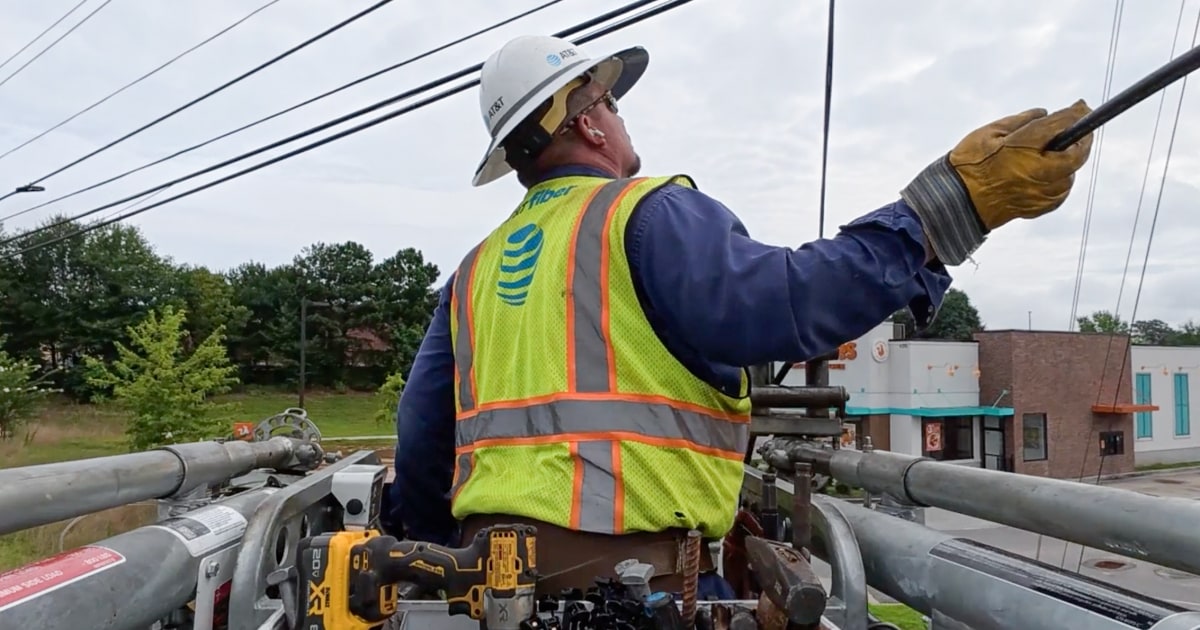
A recent report indicates that the U.S. is approximately 58,000 people short of the workforce required to install fiber-optic cables connecting data centers to the internet. This shortage is part of a broader crisis where the construction industry needs 349,000 new workers in 2026, with Deloitte estimating a $124 billion loss in output if the gap isn't closed by 2028. For suppliers like Vertiv and Schneider Electric, this means that even if cooling units and switchgear are delivered on time, the physical installation of AI halls may face significant delays due to a lack of qualified electricians and technicians.
Arizona Water Experts Clarify Data Center Impact on Colorado River
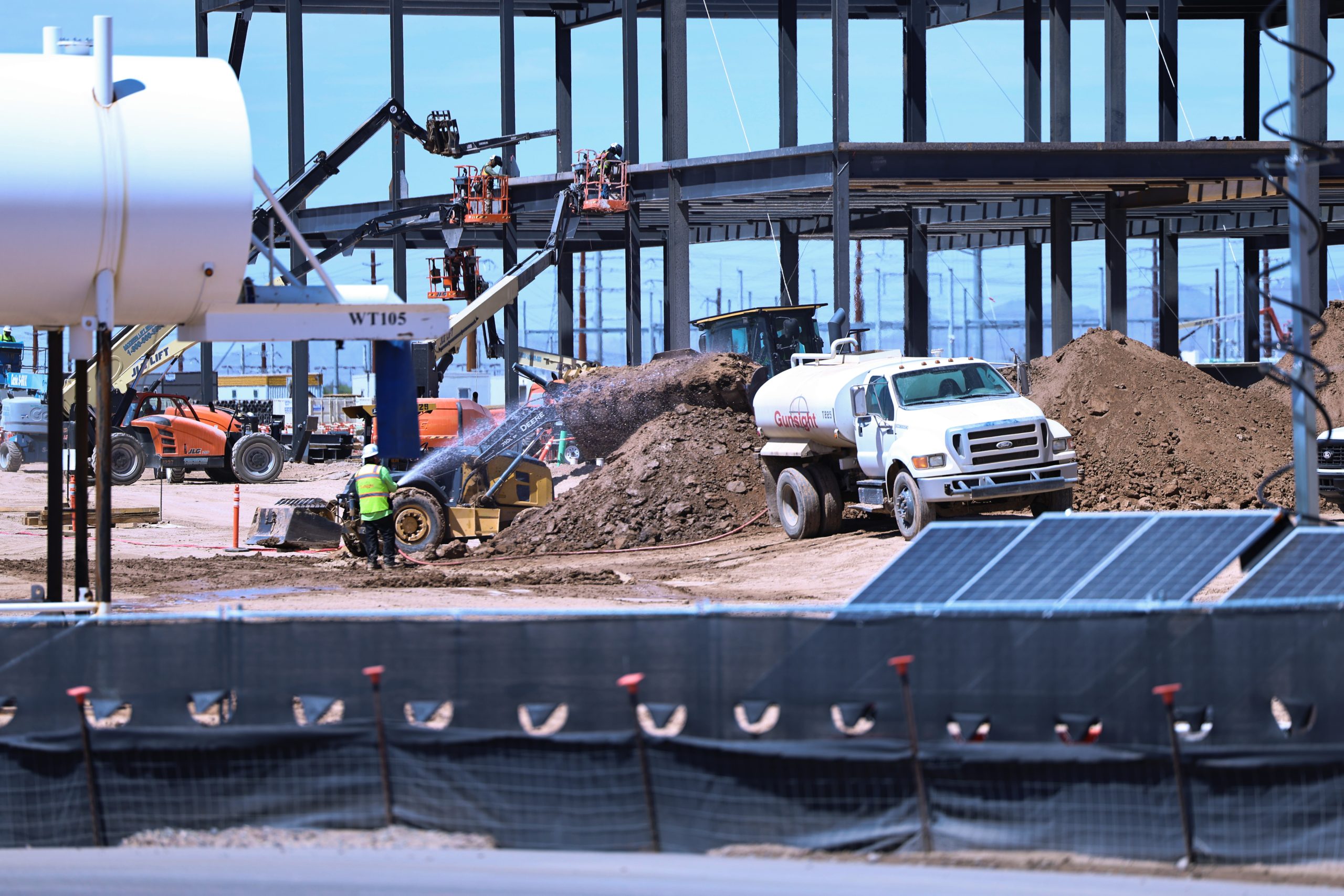
On September 11, 2026, water researchers stated that data centers are not the primary cause of Arizona’s Colorado River shortages, attributing the deficit instead to rapid population growth and limited water-use data. However, the report emphasized that rising power demand and insufficient transparency regarding facility water usage are fueling public opposition. This clarification may influence future permitting for liquid-cooled facilities in the Southwest, where water scarcity is a critical constraint for traditional evaporative cooling methods used by many hyperscalers.
Ohio Municipality Preemptively Regulates Data Center Water and Noise
Stow City Council in Summit County, Ohio, approved new zoning rules on September 12, 2026, governing water use, energy consumption, air emissions, and noise for future data centers. These regulations were set before any specific projects were proposed, signaling a shift toward preemptive local control over AI infrastructure development. This trend could complicate site selection for developers relying on high-water-use cooling solutions, potentially accelerating the adoption of closed-loop liquid cooling systems that minimize external water dependencies.

Local view
Local media in Ohio and Arizona are focusing on the intersection of infrastructure growth and community resources. Cleveland.com reported on Stow’s new preemptive zoning laws, highlighting local concerns about noise and water sustainability before any developer breaks ground. Meanwhile, Cronkite News (Arizona PBS) featured expert analysis debunking the myth that data centers are the sole driver of Colorado River cuts, though acknowledging the need for better transparency in water usage reporting as AI facilities expand.
Context & numbers
The construction sector faces a massive workforce deficit, with Deloitte estimating a shortfall of more than two million skilled trade workers by 2028 if current trends continue. The immediate need for 58,000 fiber-optic installers alone underscores the bottleneck in connecting new AI halls to networks. In terms of market value, the data center chillers market is projected to reach $7.1 billion by 2032, driven by high-density computing demands.
On the radar
- Wastewater Pollution Scrutiny: The Guardian reported on September 8, 2026, about increasing backlash against U.S. data centers regarding wastewater pollution, including violations involving rare bacteria and "forever chemicals" (PFAS). This could lead to stricter effluent regulations for liquid cooling systems that discharge into municipal water systems.
- Modular Construction Solutions: As labor shortages persist, the industry is increasingly looking toward modular and prefab data centers to mitigate on-site construction delays. Recent discussions highlight how "LEGO-style" modularization could bypass some skilled labor bottlenecks.
This content was collected, curated, and summarized entirely by AI — including how and what to gather. It may contain inaccuracies. Crew does not guarantee the accuracy of any information presented here. Always verify facts on your own before acting on them. Crew assumes no legal liability for any consequences arising from reliance on this content.
Powered by
