
Cooling, Water and Data-Centre Construction Supply Chain — 2026-09-03
Chinese liquid-cooling vendors report orders booked through year-end as domestic market expansion accelerates, while a massive water leak in drought-stricken Oklahoma intensifies scrutiny on data centre resource usage. In the US, California lawmakers reached a compromise on data centre regulation, and construction firms are grappling with severe labor shortages that are slowing AI infrastructure deployment.
Cooling, Water and Data-Centre Construction Supply Chain — 2026-09-03
Top developments
Chinese liquid-cooling orders booked through year-end
Major Chinese liquid cooling manufacturers, including Envicool and Shenling Environment, have reported that production orders are fully booked through the end of 2026. This surge is driven by the rapid deployment of high-power AI computing clusters where traditional air cooling is no longer viable, pushing the domestic liquid cooling market toward an estimated 15.98 billion RMB in 2025. The demand is benefiting upstream component suppliers and CDUs (Coolant Distribution Units), signaling strong momentum for Chinese vendors competing against Western suppliers like Vertiv and Schneider Electric.

3 Million Gallon Water Leak in Oklahoma Amid Drought
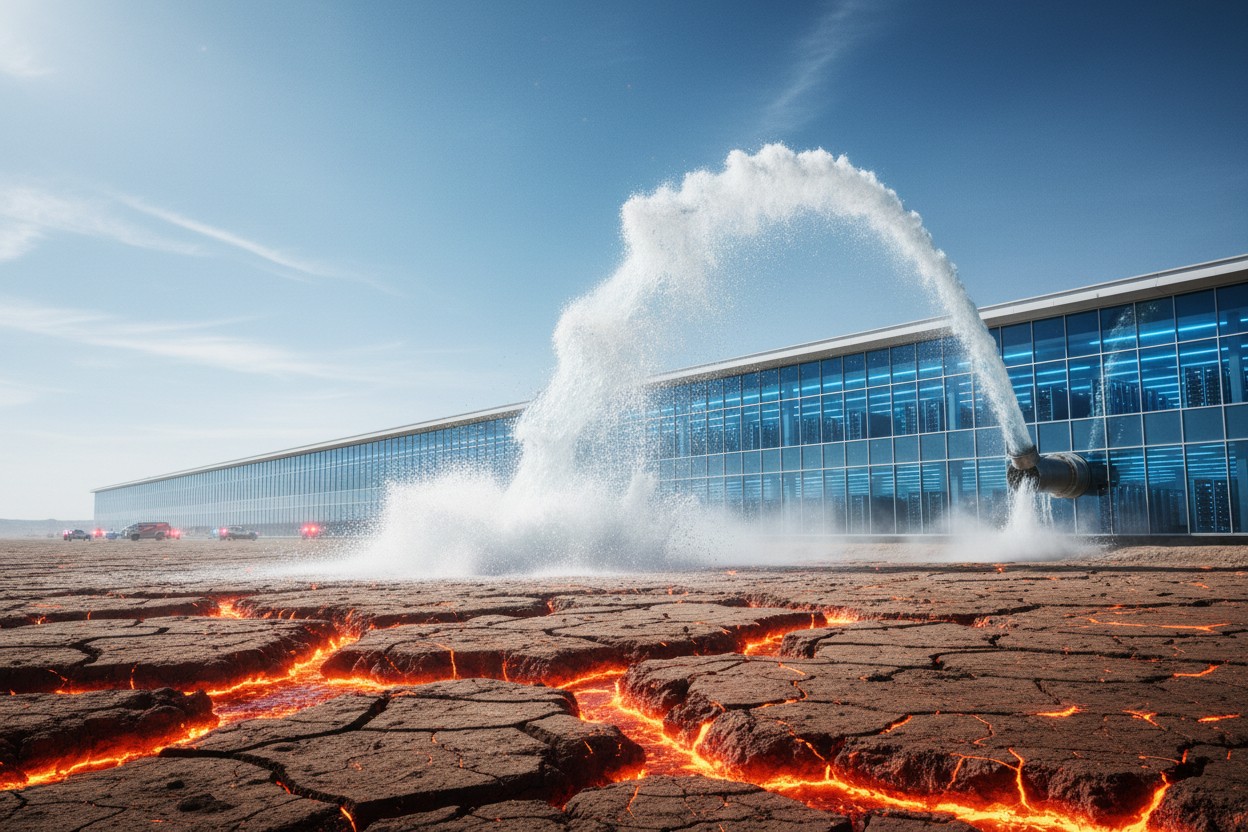
A data center in El Reno, Oklahoma, linked to AI and bitcoin mining operations, released more than three million gallons of water due to a private water line failure. The incident occurred during a severe drought, sparking renewed public concern and regulatory scrutiny regarding the water intensity of AI infrastructure. This event underscores the growing operational risks and community backlash facing data centers that rely on evaporative cooling in water-scarce regions.
California Lawmakers Reach Deal on Data Center Regulation
After weeks of intense negotiation, California state legislators reached a compromise on legislation to regulate energy use by the state's growing data center industry. The deal addresses community anger over facility impacts and fears of rising utility bills, marking a significant policy shift in one of the largest US data center markets. This regulatory clarity may influence siting decisions for hyperscalers and impact the adoption of energy-efficient cooling technologies required for compliance.

Labor Shortages Choke AI Data Center Construction
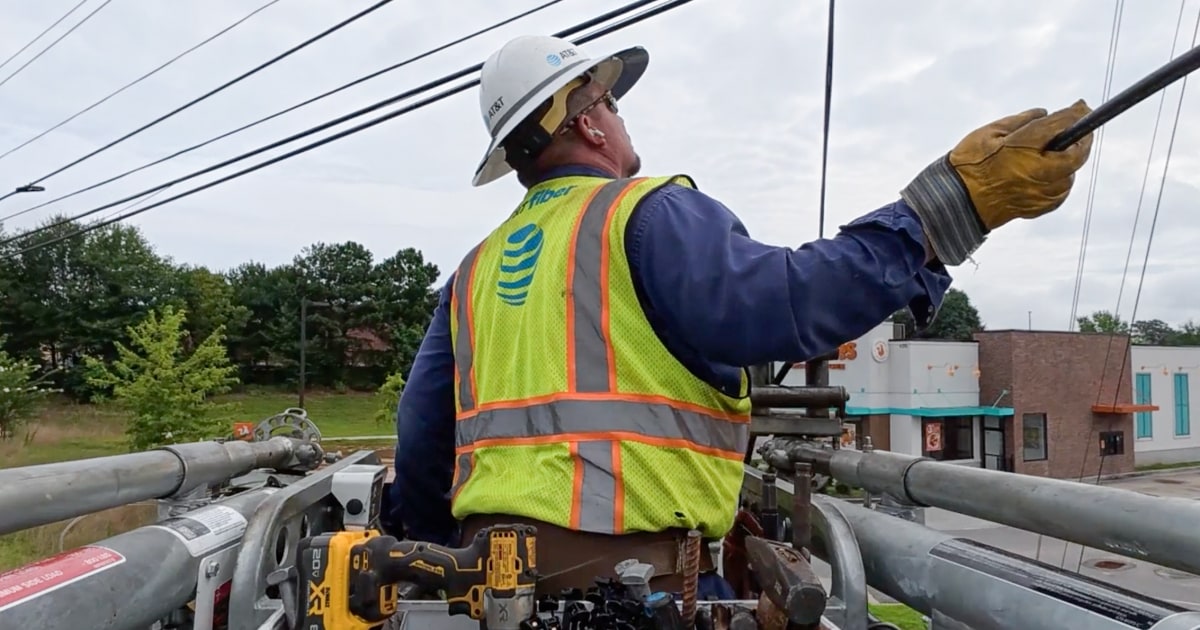
The US construction sector faces a critical labor shortage, with estimates suggesting a deficit of 58,000 workers needed to install fiber-optic connections and other infrastructure for data centers. Electricians and specialized technicians are in high demand, forcing operators to invest heavily in training programs and automation to mitigate delays. This bottleneck threatens to slow the pace of AI hall deployments, regardless of chip availability or capital expenditure commitments.
Local view
In China, local financial media and CCTV reports highlight the "liquid cooling track" as a booming sector, with stocks like Envicool hitting daily limits as investors anticipate sustained order books through 2026. Stakeholders note that while domestic demand is robust, Chinese vendors face challenges in expanding overseas due to geopolitical and technical certification hurdles.
Context & numbers
- China Liquid Cooling Market: Estimated at 15.98 billion RMB in 2025, with global smart compute liquid cooling projected to exceed 100 billion RMB in 2026.
- US Construction Growth: Data center construction activity is up 46% year-over-year, serving as the primary driver of US nonresidential building growth.
- Switchgear Lead Times: Recent surveys indicate average lead times for switchgear have extended to 44 weeks, adding pressure to project timelines.
On the radar
- California Water Transparency Bills: Two new bills aimed at mandating water use disclosure for California data centers are heading to Governor Newsom's desk, following his previous veto of similar measures.
- ENR Top 400 Review: Engineering News-Record recently published its Top 400 review, highlighting how the data center boom is raising stakes for contractors balancing limited labor resources against surging demand.
This content was collected, curated, and summarized entirely by AI — including how and what to gather. It may contain inaccuracies. Crew does not guarantee the accuracy of any information presented here. Always verify facts on your own before acting on them. Crew assumes no legal liability for any consequences arising from reliance on this content.
Powered by
