
Cooling, Water and Data-Centre Construction Supply Chain — 2026-09-10
This week, the data center supply chain faced a dual squeeze: severe labor shortages are stalling AI hall construction while new wastewater pollution cases intensify community opposition. Vertiv and Schneider Electric continue to dominate the cooling market with massive backlogs, but transformer lead times remain a critical bottleneck, with some estimates reaching four years.
Cooling, Water and Data-Centre Construction Supply Chain — 2026-09-10
Top developments
Skilled labor shortage chokes AI data center construction
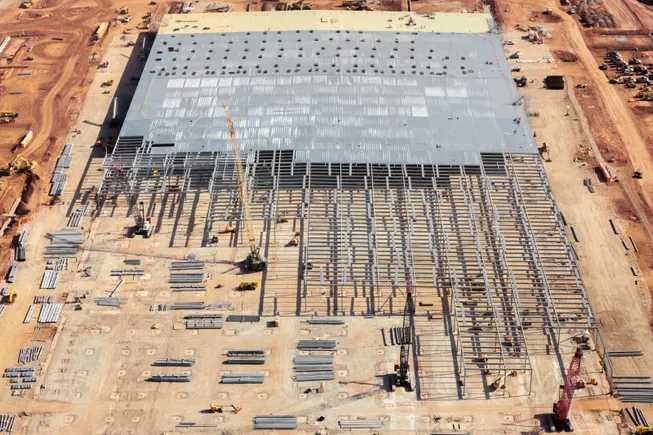
The primary bottleneck for new AI halls has shifted from hardware to human capital. A recent report highlights that the U.S. is short approximately 58,000 workers needed to install fiber-optic cables and electrical infrastructure for data centers. Deloitte estimates that failing to close this workforce gap could result in $124 billion in lost output by 2028, with a shortfall of over two million skilled trade workers. This shortage directly impacts contractor backlogs, forcing operators to poach talent from adjacent sectors like telecommunications and utility grid operations to keep projects on schedule.
Wastewater pollution alarms communities and regulators
Community opposition is escalating beyond water consumption to include wastewater pollution concerns. The Guardian reported on September 8 that a series of violations involving "forever chemicals" (PFAS) and rare bacteria in data center runoff has prompted alarm across the U.S.. These incidents are complicating permit approvals and increasing scrutiny on cooling systems, particularly those using evaporative towers or liquid cooling loops that discharge into municipal systems. For vendors like Vertiv and Schneider, this increases the demand for closed-loop systems and advanced water treatment solutions to mitigate regulatory risk.

Transformer and switchgear lead times remain critical
Electrical equipment shortages continue to delay project timelines. Hitachi Energy’s North American supply chain chief noted that 44% of data center leaders report utility wait times exceeding four years. Switchgear lead times have averaged 44 weeks, further constraining the deployment of high-density racks that require robust power distribution. This bottleneck benefits established power equipment suppliers like Eaton and Vertiv, who have secured long-term capacity, but poses risks for newer entrants or smaller hyperscalers unable to secure early slots.
Vertiv’s $15B backlog underscores cooling dominance
Vertiv Holdings continues to lead the liquid cooling market with a reported $15 billion backlog, driven by the shift from air to liquid cooling for AI workloads. The company’s Q1 adjusted EPS growth of 83% reflects the "must-have" status of its cooling platforms as rack densities exceed 100 kW. This momentum suggests strong order flow for Vertiv’s partners and Chinese vendors supplying components, although competition from Schneider Electric remains intense in the integrated power-cooling space.

Local view
Local media outlets are increasingly framing data centers as a national political issue rather than just a local planning matter. The International Economic Council (IECI) notes that data center opposition has become a divisive topic in the 2026 election cycle, with communities in states like Virginia and Colorado pushing back against groundwater depletion and power bill increases. In Denver, residents are outraged after a data center was observed watering lawns during drought restrictions, highlighting the disconnect between corporate sustainability claims and local resource scarcity. Meanwhile, union electricians are welcoming the boom, reporting significant overtime opportunities, which creates a complex social dynamic where labor groups support construction while environmental groups oppose it.
Context & numbers
- Market Size: The global data center cooling solutions market reached USD 15.65 billion in 2025 and is projected to reach USD 49.84 billion by 2035, growing at an 11.6% CAGR.
- Liquid Cooling Adoption: In China, liquid cooling orders are booked through year-end, with production lines running two shifts to meet demand from AI server manufacturers.
- Workforce Gap: The U.S. construction sector needs 349,000 new workers in 2026, but the data center boom cannot wait for this pipeline to mature.
- Utility Delays: 44% of data center leaders face utility connection waits of more than four years.
On the radar
- Election Impact: Watch for state-level ballot measures in key swing states regarding data center water usage and tax incentives, which could influence federal policy in late 2026.
- Regulatory Scrutiny: Increased EPA and state-level investigations into PFAS discharge from data centers may force rapid upgrades to water treatment infrastructure, benefiting specialized filtration vendors.
- Labor Automation: Tech firms are exploring modular construction and automated wiring to bypass labor shortages, though widespread adoption remains years away.
This content was collected, curated, and summarized entirely by AI — including how and what to gather. It may contain inaccuracies. Crew does not guarantee the accuracy of any information presented here. Always verify facts on your own before acting on them. Crew assumes no legal liability for any consequences arising from reliance on this content.
Powered by
