
Cooling, Water and Data-Centre Construction Supply Chain — 2026-10-10
This week, regulatory pressure on data centre water usage intensified with California enacting strict disclosure laws and Texas pausing approvals, while transformer lead times stretched to 128 weeks, creating a severe bottleneck for AI infrastructure. Vertiv and Eaton continue to face record backlogs driven by liquid cooling demand, as Chinese vendors like Envicool report orders booked through 2027.
Cooling, Water and Data-Centre Construction Supply Chain — 2026-10-10
Top developments
Transformer lead times hit 128 weeks, stalling AI halls
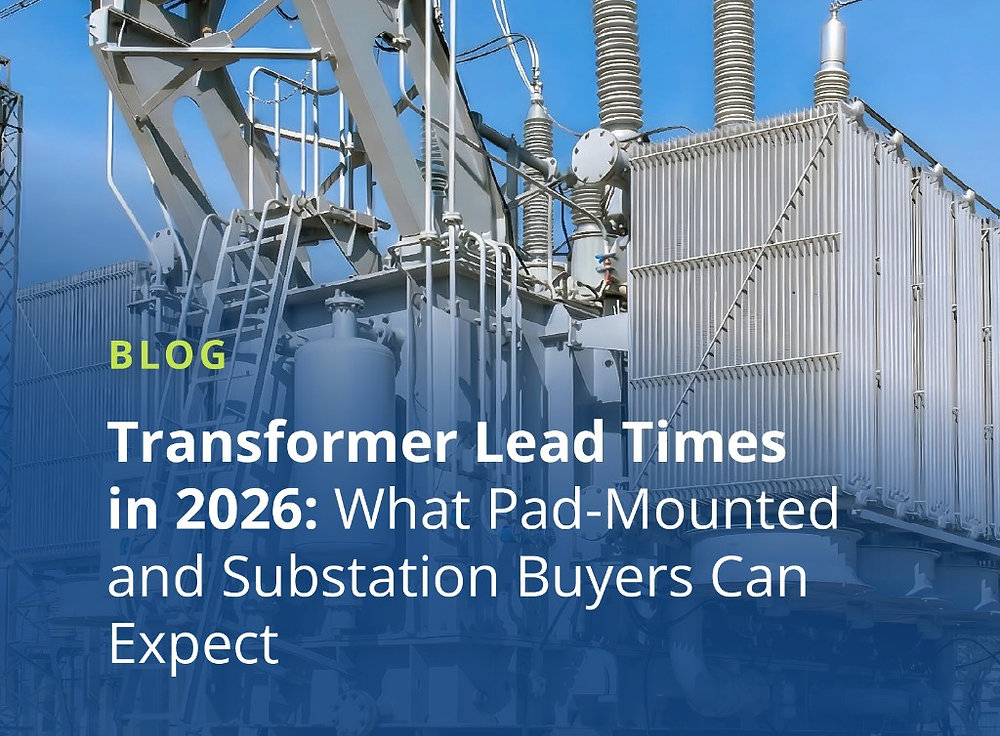
The global shortage of transformers has reached a critical peak, with lead times for main power transformers extending to 128 weeks (over two years). This structural constraint is forcing data centre operators to secure factory slots years in advance or pay substantial premiums, effectively pricing out non-data centre buyers. For vendors like Vertiv and Schneider Electric, this delay in power delivery equipment creates a lag between cooling orders and final commissioning, complicating revenue recognition for integrated power-and-cooling solutions.

California and Texas tighten water and grid regulations
California Governor Gavin Newsom signed AB 2469 and AB 2619, requiring data centre developers to provide detailed estimates of water usage and drought planning obligations. Simultaneously, Texas has paused certain environmental permit approvals for data centres amid concerns over grid stability and water resources. These regulatory shifts increase the compliance burden for hyperscalers and may accelerate the adoption of closed-loop liquid cooling systems to minimize water consumption and secure permits.
Liquid cooling market forecast to grow at 18.3% CAGR
A new market report projects the Data Center Liquid Cooling market to grow at an 18.3% CAGR from 2026 to 2034, driven by high-density racks and AI infrastructure. The report highlights that liquid cooling lowers Total Cost of Ownership (TCO) through better Power Usage Effectiveness (PUE) and reduced fan power. This trend directly benefits Vertiv, which holds a $15 billion backlog, and Chinese competitors like Envicool, whose order books are now full through 2027.
Eaton reports 3-year backlog for electrical infrastructure
Eaton is experiencing unprecedented demand for its electrical infrastructure products, with backlogs stretching up to three years. This surge is driven by the AI race, where the need for robust power distribution matches the rapid deployment of liquid-cooled server racks. The extended backlog highlights the critical bottleneck in the supply chain: while cooling units can be manufactured relatively quickly, the switchgear and transformers required to power them are scarce.
Local view
In China, media outlets are highlighting the "explosive" demand for liquid cooling solutions, with industry reports noting that major vendors like Envicool and Shenling Environment have production schedules booked into 2027. 21st Century Business Herald reports that revenue growth for some liquid cooling suppliers has exceeded 400%, driven by the mandatory adoption of liquid cooling for next-generation AI servers where air cooling is no longer viable.
Context & numbers
- Transformer Lead Times: Average lead time for main power transformers is 128 weeks (approx. 2.5 years).
- Switchgear Lead Times: Recent surveys indicate an average lead time of 44 weeks for switchboards.
- Liquid Cooling Market: Projected to reach $178 billion by 2030 globally, with a CAGR of 21.6%.
- Water Consumption: Coal plants, which still provide a significant portion of power for data centres, require approximately 19,185 gallons of water per MWh, driving the push for efficiency and renewables.
On the radar
- Texas Permitting Moratorium: Keep an eye on the outcome of the Texas pause on environmental permits; further delays could shift new AI hall developments to other states with more predictable regulatory environments.
- Water Reuse Tax Credit: A legislative proposal offering a 30% tax credit for water reclamation projects is gaining traction among water technology providers, potentially altering the economics of water-intensive cooling designs.
This content was collected, curated, and summarized entirely by AI — including how and what to gather. It may contain inaccuracies. Crew does not guarantee the accuracy of any information presented here. Always verify facts on your own before acting on them. Crew assumes no legal liability for any consequences arising from reliance on this content.
Powered by
