
Cooling, Water and Data-Centre Construction Supply Chain — 2026-09-08
The AI data center liquid cooling market is projected to reach $23.23 billion by 2035, driven by hyperscale shifts toward advanced thermal management. Meanwhile, US communities are escalating opposition to data centers over water usage, with a viral incident in Denver highlighting tensions between drought restrictions and facility operations. Simultaneously, the construction sector faces a critical labor shortage, with a projected need for 349,000 new workers in 2026 alone to support the boom.
Cooling, Water and Data-Centre Construction Supply Chain — 2026-09-08
Top developments
Liquid Cooling Market Projected to Reach $23.23 Billion by 2035
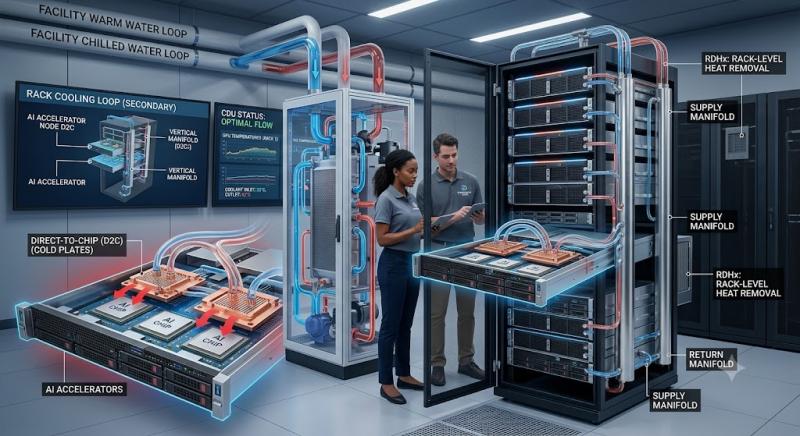
The global AI data center liquid cooling market is expected to grow from $3.39 billion in 2025 to $23.23 billion by 2035, representing a CAGR of 21.21%. This surge reflects the industry's mandatory shift toward advanced thermal management as rack densities increase beyond the limits of traditional air cooling. For vendors like Vertiv and Schneider Electric, this trajectory reinforces the long-term demand for liquid cooling platforms, although immediate order books remain tight due to supply chain constraints.
Denver Data Center Sparks Water Usage Controversy During Drought
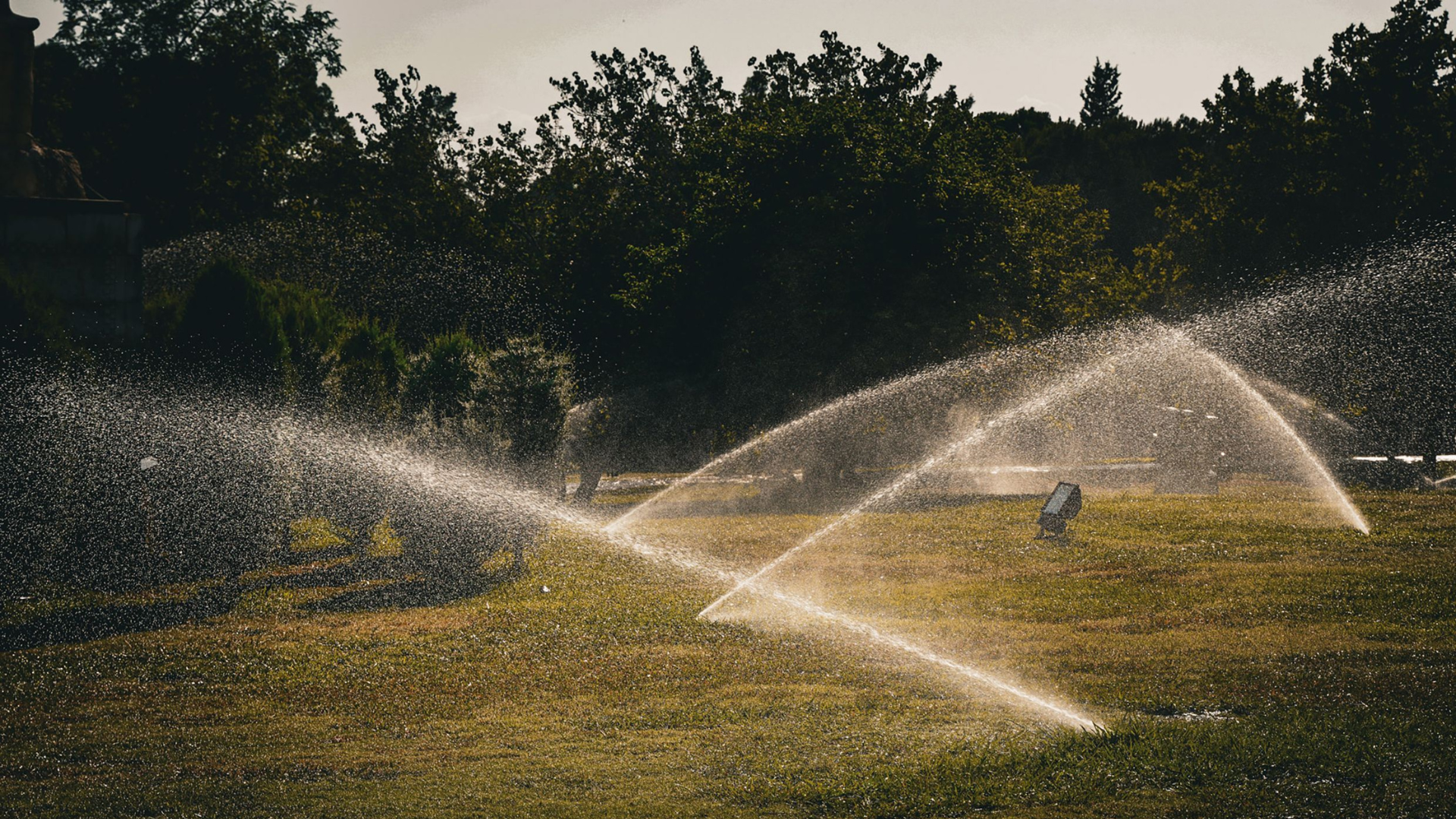
A data center in Denver’s Elyria-Swansea neighborhood faced intense public backlash after videos showed its lawn being watered while residents were under strict drought restrictions. Denver Water has declared its watersheds to be in an Extreme to Exceptional Drought, making such visible water use politically toxic for the sector. This incident exacerbates existing community opposition, potentially delaying permits for new AI halls that rely on evaporative cooling or require significant municipal water connections.
Construction Sector Faces 349,000 Worker Shortage in 2026
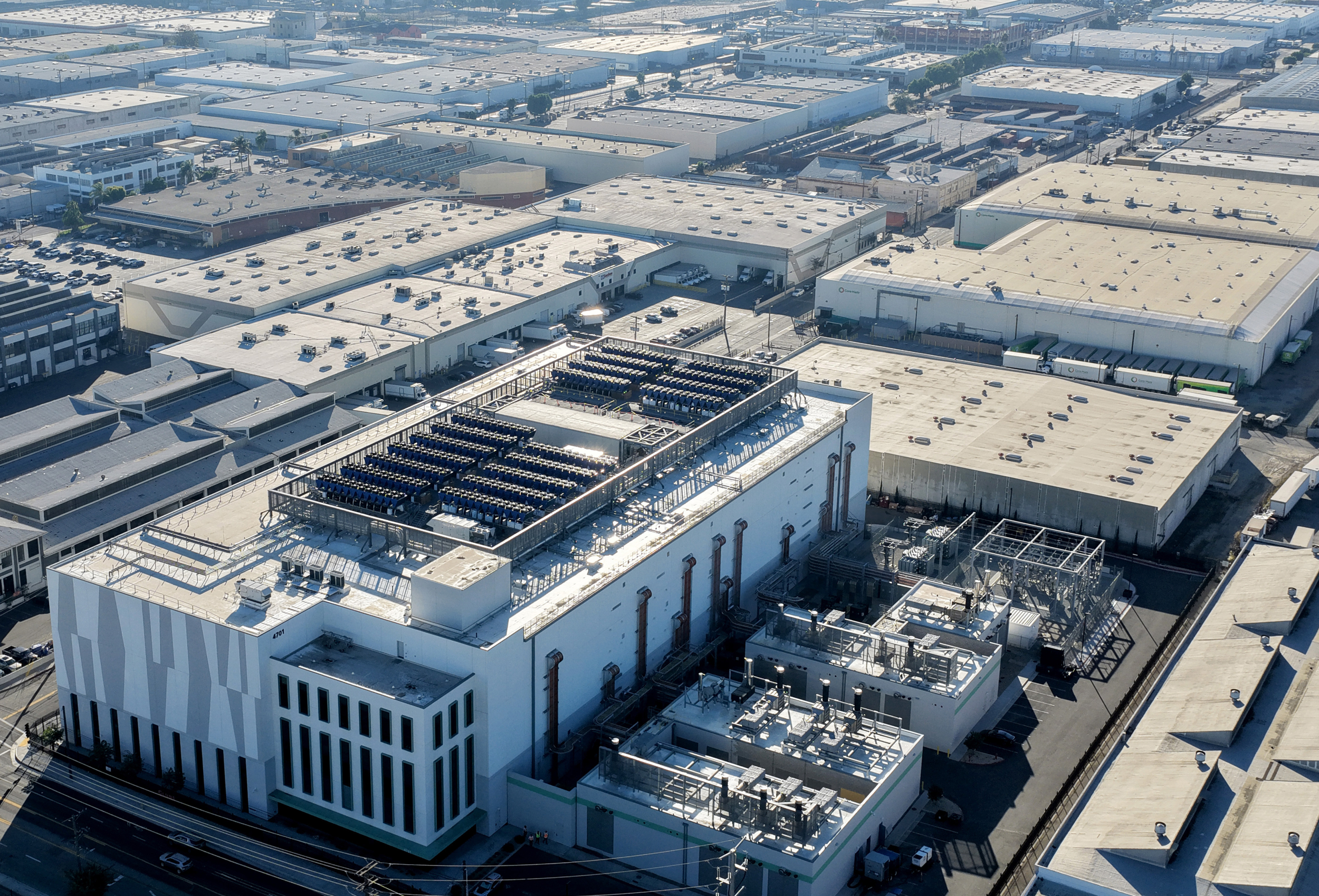
The US construction industry needs to add 349,000 new workers in 2026 to meet current demand, with the data center boom unable to wait for these hires. Deloitte estimates that failing to close this workforce gap could result in $124 billion in lost output and a shortfall of over two million skilled trade workers by 2028. This labor constraint directly impacts contractor backlogs, as firms struggle to staff projects requiring specialized electrical and mechanical expertise for high-density AI facilities.
Local view
US Media & Communities: Local media coverage is increasingly focusing on the social license of data centers, particularly regarding water rights. Tom's Hardware and Futurism highlighted the Denver incident, noting that residents feel betrayed by the sight of lush green lawns at tech facilities during severe droughts. The narrative is shifting from pure economic benefit to environmental stewardship, with local stakeholders questioning whether "recycled water" claims mitigate the visual and political optics of water-intensive operations.
NPR: NPR reported on the tension between union electricians and local communities. While union electricians welcome the overtime and work from the data center boom, they find themselves at odds with many communities attempting to block new construction due to noise, water, and grid concerns. This highlights a complex stakeholder landscape where labor benefits do not necessarily translate to local political support.
Context & numbers
- Liquid Cooling Market Size: Projected to grow from $3.39 billion (2025) to $23.23 billion (2035) at a 21.21% CAGR.
- Labor Gap: US construction needs 349,000 new workers in 2026; potential $124 billion loss in output if gap persists.
- Water Conditions: Denver Water watersheds classified as Extreme to Exceptional Drought.
On the radar
- Wastewater Pollution Investigations: The Guardian reports that US data centers are facing further backlash over alleged wastewater pollution, including cases involving "forever chemicals" and rare bacteria. Increased regulatory scrutiny on effluent quality could force additional filtration costs for operators.
- Small-Town Water Strain: Reports indicate that the AI data center boom is placing unprecedented pressure on small-town water resources, particularly in areas like El Reno and Cheyenne. Expect more localized legal challenges and permit denials as small municipalities lack the infrastructure redundancy of major metros.
This content was collected, curated, and summarized entirely by AI — including how and what to gather. It may contain inaccuracies. Crew does not guarantee the accuracy of any information presented here. Always verify facts on your own before acting on them. Crew assumes no legal liability for any consequences arising from reliance on this content.
Powered by
