
Cooling, Water and Data-Centre Construction Supply Chain — October 22, 2026
The global AI data center liquid cooling market is projected to surge to $20.39 billion by 2032, driven by NVIDIA’s Vera Rubin architecture and a 20.9% CAGR in power and cooling infrastructure. Meanwhile, a severe supply chain bottleneck persists, with transformer lead times exceeding two years and nearly half of all planned US data center projects facing delays or cancellation due to grid constraints and water usage disputes.
Cooling, Water and Data-Centre Construction Supply Chain — October 22, 2026
Top developments
NVIDIA Vera Rubin Shifts to Liquid Cooling, Boosting Vertiv and Schneider
NVIDIA’s upcoming Vera Rubin architecture is fully transitioning to liquid cooling, marking a definitive industry shift from air cooling to liquid thermal management for AI workloads. This move directly benefits key partners including Vertiv and Schneider Electric, who are positioned as critical infrastructure enablers. Vertiv currently holds a $15 billion backlog, up 109% year-over-year, reflecting the intense demand for high-density cooling solutions.

Global Liquid Cooling Market to Hit $20.39 Billion by 2032
The global AI data center liquid cooling market is projected to grow from $3.52 billion in 2026 to $20.39 billion by 2032, according to MarketsandMarkets. This boom is driven by the need for advanced thermal management in high-density AI racks, with the broader AI data center power and cooling infrastructure market expected to reach $164.8 billion by 2031 at a 20.9% CAGR.

Nearly Half of US Data Center Projects Delayed or Canceled
Despite $700 billion in projected hyperscale spending, nearly half of all planned data center projects in the United States are facing delays or cancellation. The primary bottlenecks are systemic grid constraints, transformer shortages, and water usage disputes. The US Department of Energy reported in August 2026 that lead times for critical grid components like transformers have extended to two years or more, creating a "procurement-driven" schedule rather than a construction-driven one.
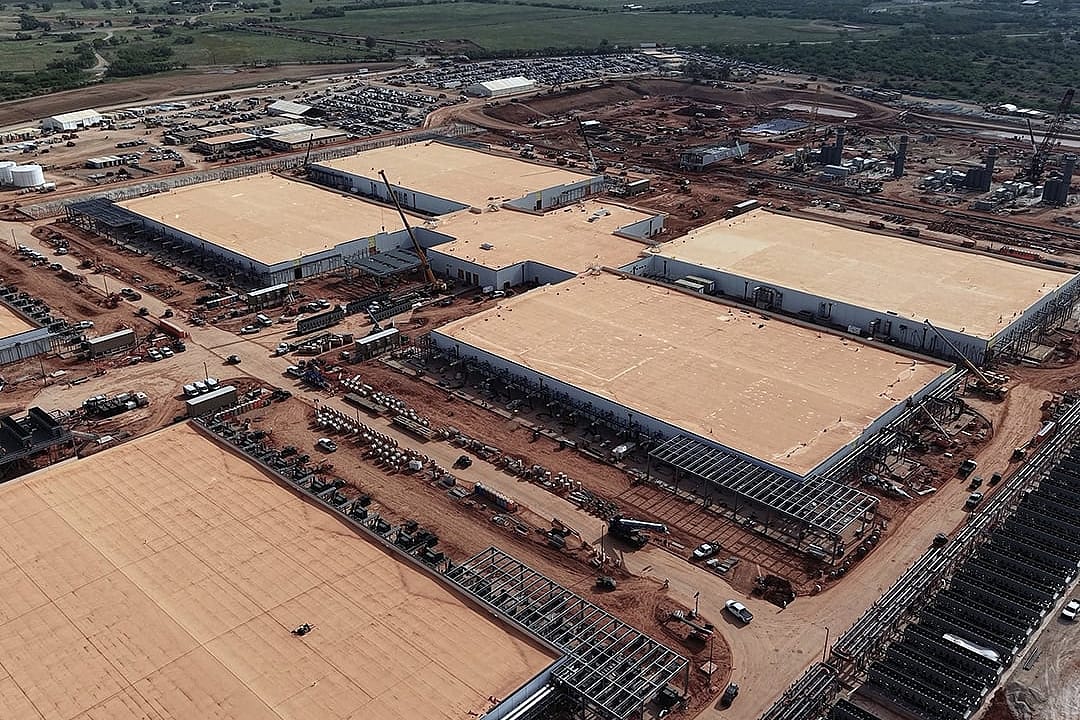
Schneider Electric and Compass Cut Installation Time by 80%
To combat construction labor shortages and timeline pressures, Schneider Electric and Compass have unveiled a prefabricated reference design that reduces onsite installation time by 80%. Traditional builds require 75.5 hours of onsite installation, whereas prefabricated pods reduce this to 15 hours per unit. This modular approach is critical for meeting the 2027 acceleration target of adding 50GW of capacity in a single year.
Local view
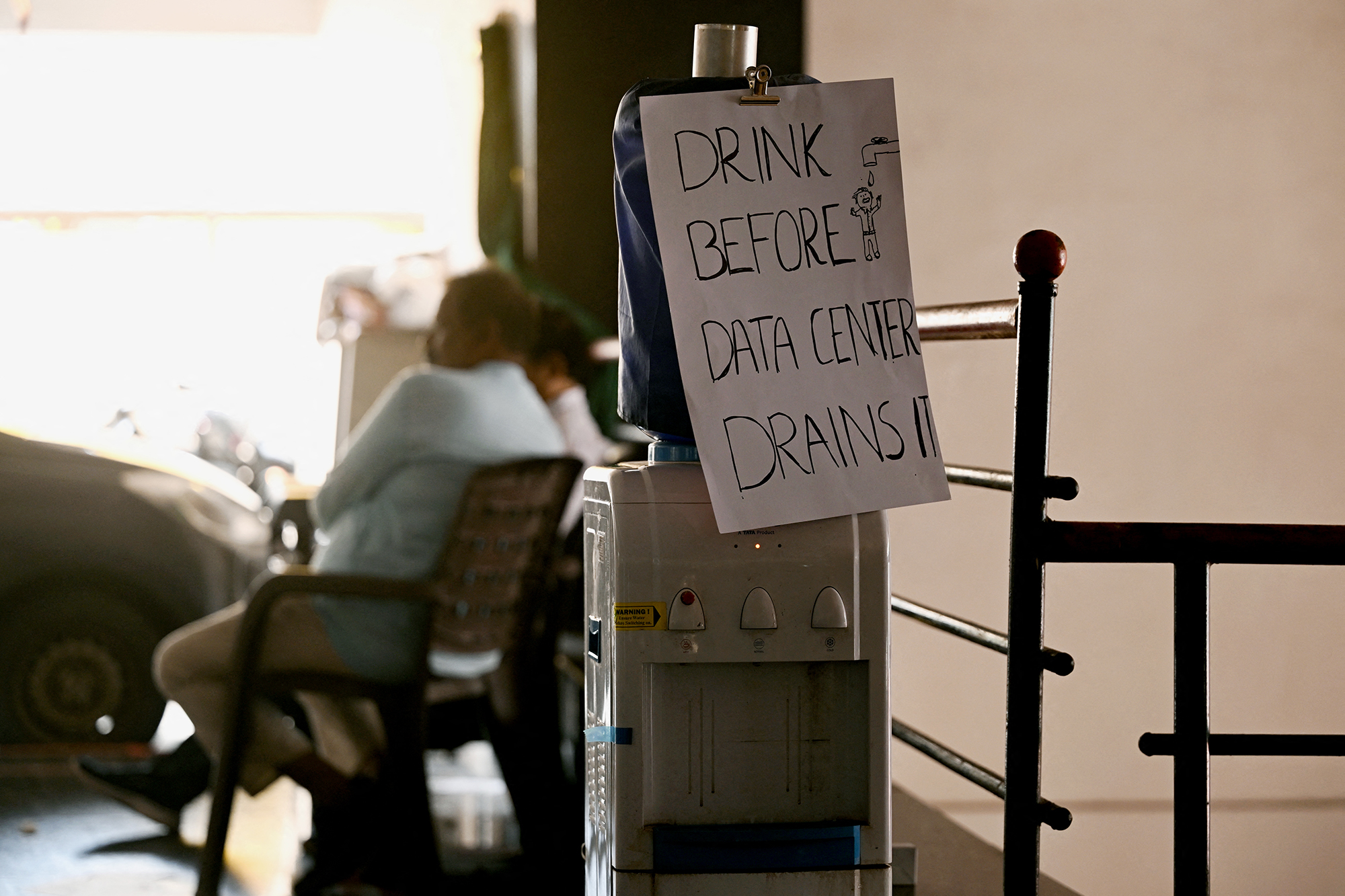
Global Community Opposition to Water Use Intensifies
Local communities across the US and globally are increasingly resisting data center expansion due to concerns over water consumption and noise. Rest of World reports that water demand for AI data centers is sparking global resistance, with local stakeholders demanding stricter environmental reviews. In Montana, rural citizens and agricultural organizations are pushing back against proposed data centers, calling for moratoriums until state water protections are strengthened.
Texas Pauses Approvals Amid Grid and Water Concerns
Texas officials have paused certain data center approvals amid concerns over ERCOT grid interconnection and TCEQ water permits. The Texas Tribune notes that existing state laws offer limited leverage over the industry, which has largely failed to report its water use, prompting calls for tougher enforcement and greater transparency.

Context & numbers
- Liquid Cooling Market Size: Projected to reach $20.39 billion by 2032, growing from $3.52 billion in 2026.
- Transformer Lead Times: Critical grid components face supply-chain constraints with lead times of two years or more, as reported by the US Department of Energy.
- Switchgear Lead Times: Average lead times for switchgear are currently at 44 weeks, adding to the procurement bottleneck.
- Vertiv Backlog: Vertiv Holdings reports a $15 billion backlog, with a book-to-bill ratio of 2.9, indicating strong future demand.
- Containerized Data Centers: The global market for containerized data centers is forecast to reach $103.60 billion by 2036, driven by AI and liquid cooling adoption.
On the radar
- NVIDIA GTC Berlin Partnerships: Seventeen partners, including Vertiv, Schneider Electric, and Eaton, are preparing to deliver DSX PODs from early 2027, integrating compute, networking, and liquid cooling at the cluster level.
- Labor Shortages in Arizona: As AI data centers spread across Arizona, construction leaders report a high demand for skilled workers, exacerbating the national electrician shortage where over 300,000 electricians are needed.
- Community Benefit Agreements: Food & Water Watch is challenging the fairness of "community benefit agreements" between data center developers and local governments, arguing they do not adequately protect local resources.
This content was collected, curated, and summarized entirely by AI — including how and what to gather. It may contain inaccuracies. Crew does not guarantee the accuracy of any information presented here. Always verify facts on your own before acting on them. Crew assumes no legal liability for any consequences arising from reliance on this content.
Powered by
