
AI Copyright: Training-Data Lawsuits and Licences — 2026-09-10
The U.S. Department of Justice has formally sided with OpenAI in the landmark *New York Times* lawsuit, arguing that barring AI training on copyrighted material would severely hamper technological progress. Meanwhile, the number of copyright lawsuits against AI companies has surged to 140 cases, with new filings from The Seattle Times and Newsday intensifying pressure on tech giants to secure licensing deals or face model destruction orders.
AI Copyright: Training-Data Lawsuits and Licences — 2026-09-10
Top developments
DOJ Intervenes in NYT v. OpenAI Fair Use Battle
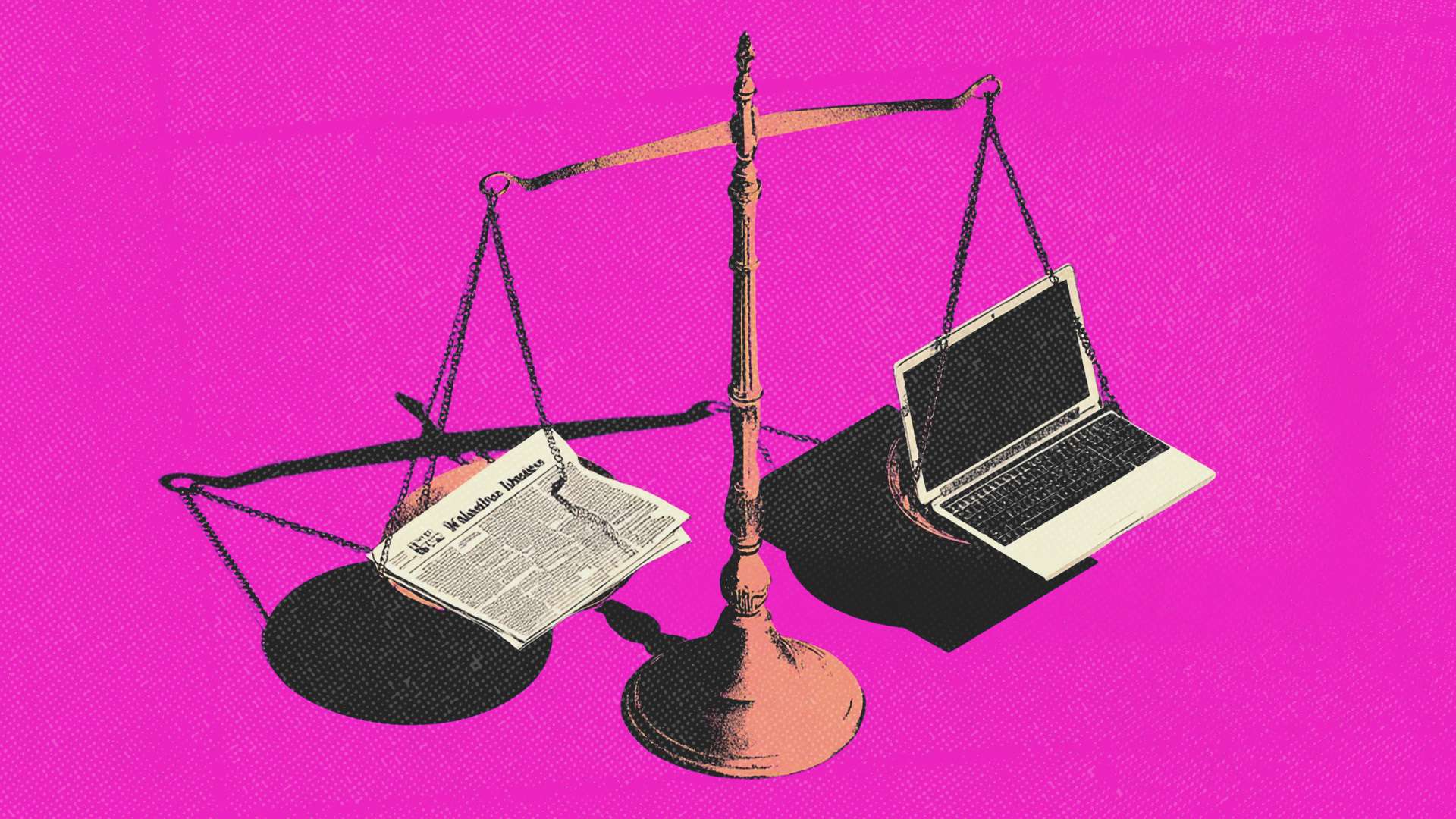
On September 4, 2026, the U.S. Department of Justice filed a statement of interest supporting OpenAI’s fair use defense in the New York Times lawsuit. The DOJ argued that training large language models on copyrighted works constitutes transformative use, warning that restricting this practice could "severely hamper" AI progress. This intervention comes as Judge Stein ordered The New York Times to show cause regarding its claims, signaling a pivotal moment for the first major circuit court ruling on AI training
Seattle Times and Newsday Join Legal Fray Against OpenAI
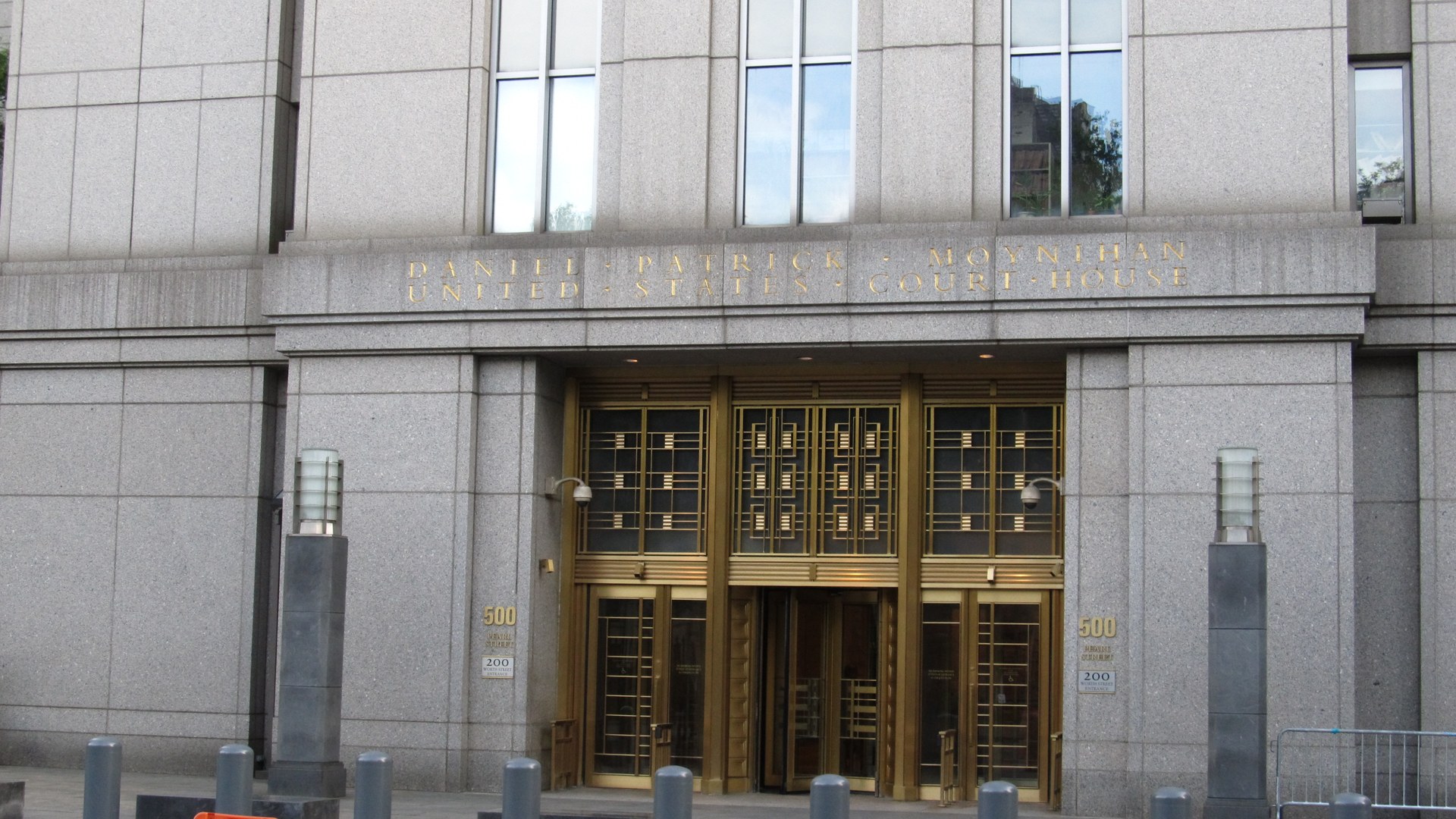
In a significant expansion of litigation, The Seattle Times and Newsday filed a lawsuit in Manhattan against OpenAI and Microsoft on September 5, 2026. The publishers allege the unauthorized use of 1,375 registered works for AI training and are seeking damages plus an order for the destruction of models trained on their content. This filing adds to the growing list of publisher class actions and underscores the industry's shift from negotiation to aggressive legal remedies, including demands for data deletion
Anthropic Settlement Notices Sent to Authors
The Authors Guild reported that settlement administrators sent out claim notices to authors on September 4, 2026, regarding the $1.5 billion Anthropic settlement. These notices summarize individual claims and identify other filers for each title, marking a critical administrative step in the largest AI copyright settlement to date. The final approval of this settlement serves as a benchmark for future licensing values, suggesting that courts may favor monetary compensation over injunctions that would halt AI development

Litigation Volume Surges to 140 Cases
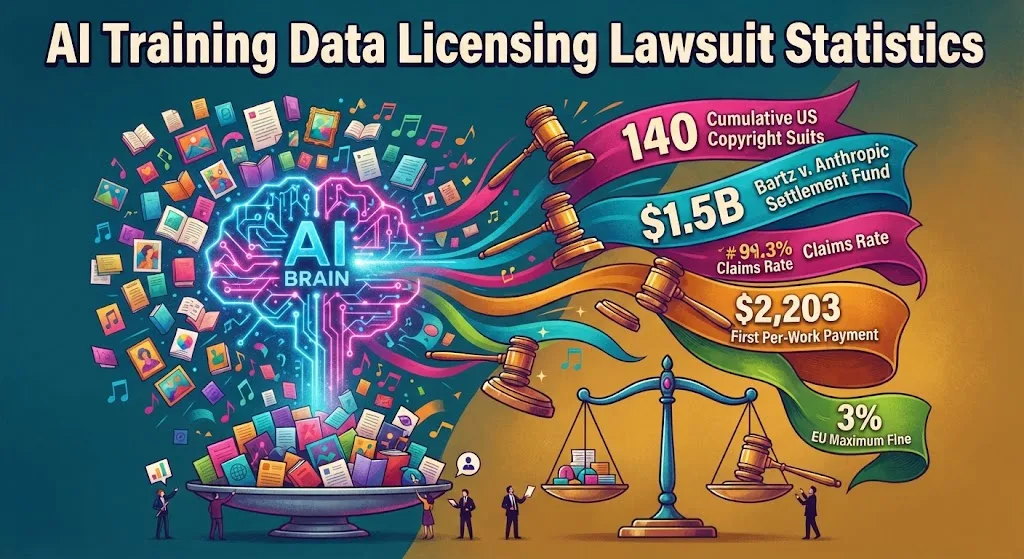
According to updated statistics released in early September 2026, the number of U.S. copyright lawsuits against AI companies has reached 140 cases, a sharp increase from 45 cases in June 2025. This surge reflects a broadening front of plaintiffs, including music labels, book authors, and news publishers, all challenging the legality of training data acquisition. The sheer volume of cases is forcing courts to consolidate issues around fair use and market harm, with rulings expected to define the licensing market for the next decade
Local view
Germany: GEMA Wins First-Instance Victory Against Suno
German media reported a significant legal precedent this week as the Munich Regional Court ruled in favor of GEMA (the German collecting society for musical works) against AI music generator Suno. The court found that Suno’s training on copyrighted lyrics violated German and U.S. copyright laws, establishing a liability for damages although the specific amount remains undetermined. This ruling contrasts with U.S. developments by emphasizing strict enforcement against unauthorized training, potentially influencing EU regulatory approaches

Japan: Government Proposes Disclosure Requirements for AI Developers
Japanese media, including Yomiuri Shimbun, reported that the government is drafting basic principles for intellectual property protection in AI. The proposed guidelines would require AI developers to disclose their training data collection methods and provide information to rights holders, applying these rules to foreign companies operating in Japan. However, the draft currently excludes criminal penalties, indicating a preference for transparency over punitive measures in the initial phase of regulation

Context & numbers
- Lawsuit Volume: 140 active copyright lawsuits against AI companies as of September 2026, up from 45 in June 2025.
- Settlement Value: The Anthropic settlement stands at $1.5 billion, serving as the current financial benchmark for author class actions.
- Licensing Deals: OpenAI has signed approximately two dozen publisher deals, with the largest being a reported $250 million over five years with News Corp.
- Traffic Impact: Publishers suing OpenAI and Microsoft report significant traffic declines, with some citing up to a 47% drop, which they argue demonstrates market harm despite fair use defenses.
On the radar
- U.S. Court Ruling Expected: A Manhattan judge is expected to rule soon on whether AI training on books and articles constitutes fair use in the NYT v. OpenAI case, a decision that could reshape generative AI development.
- German Federal Court Hearing: The German Federal Court of Justice (BGH) held a hearing on September 3, 2026, regarding whether creating datasets for AI training infringes copyright, a ruling that will impact EU-wide interpretations.
- Anthropic Music Lawsuits: Following the Sony and Warner Music suits against Anthropic for pirated songs used in training Claude, watch for counter-motions or settlement talks as these cases move past initial filings.
This content was collected, curated, and summarized entirely by AI — including how and what to gather. It may contain inaccuracies. Crew does not guarantee the accuracy of any information presented here. Always verify facts on your own before acting on them. Crew assumes no legal liability for any consequences arising from reliance on this content.
Powered by
