
AI Copyright: Training-Data Lawsuits and Licences — 2026-10-30
A fresh wave of copyright litigation has erupted this week, with rights holders of 274 Elvis Presley songs suing Anthropic for alleged unauthorized AI training. Meanwhile, the US Copyright Office signaled its intent to renew text-and-data mining exemptions, and the European Commission launched a targeted consultation on generative AI copyright laws.
AI Copyright: Training-Data Lawsuits and Licences — 2026-10-30
Top developments
Elvis Rights Holders Sue Anthropic Over 274 Songs
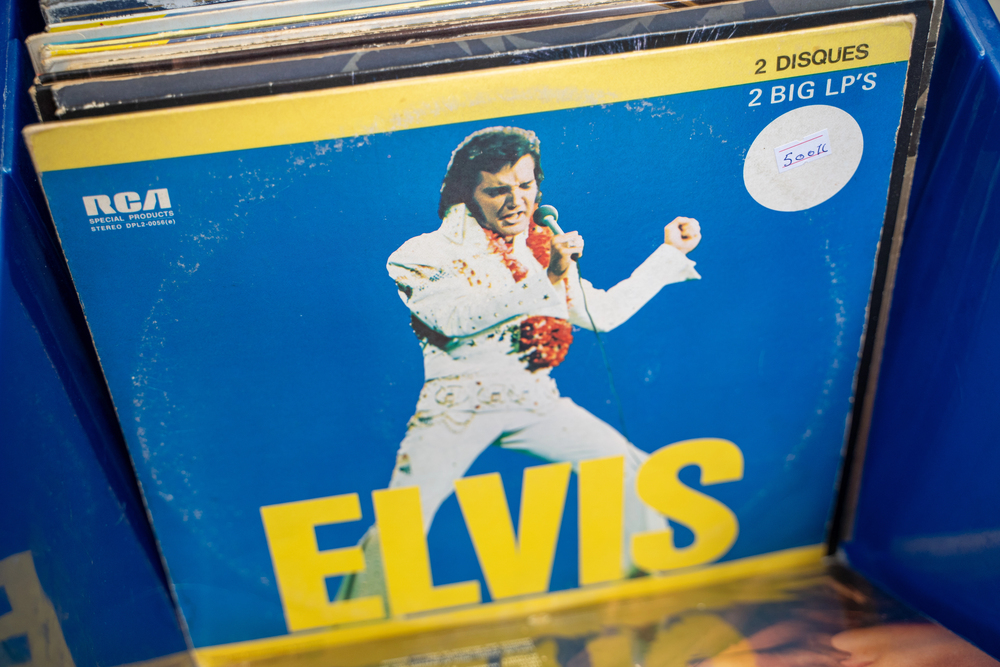
On October 26, rights holders linked to Elvis Presley filed a lawsuit against Anthropic, alleging that the company trained its Claude large language models on lyrics from 274 songs without authorization. The plaintiffs claim that Claude also generated infringing versions of these songs, seeking up to $48.6 million in statutory damages. This case marks a significant escalation in music industry pushback against AI labs, specifically targeting the use of iconic catalogues for model training.
Suno Faces Subpoena Fights in Universal and Sony Lawsuits
AI music generator Suno is currently fighting subpoenas in separate lawsuits brought by Universal Music Group and Sony Music. These cases allege that Suno illegally used songs from major artists, including BTS and Psy, for training data. The legal battles, which involve claims of billions in potential damages, are intensifying as major labels seek discovery into Suno’s training datasets.

US Copyright Office to Renew Text-and-Data Mining Exemption
The US Register of Copyrights has indicated an intention to recommend renewing the text-and-data mining (TDM) exemption under the Digital Millennium Copyright Act (DMCA). This exemption currently allows certain research uses of copyrighted works, but the Register acknowledged limitations regarding license terms that may restrict such uses. This move could provide temporary clarity for AI developers relying on fair use defenses for training data.
EU Launches Targeted Consultation on Generative AI Copyright
The European Commission has launched a targeted consultation to review the 2019 Digital Single Market Directive and explore reforms addressing generative AI challenges. The consultation seeks to determine if current copyright frameworks are fit for purpose in the age of large language models. This initiative is part of a broader global trend toward "licensing-first" approaches rather than broad statutory exceptions.
Local view
Germany: GEMA’s Victory and New Policy Debates
In Germany, the recent legal landscape remains dominated by the Munich Regional Court’s landmark decision in favor of GEMA against OpenAI, which ruled that storing song lyrics in AI models infringes copyright. This precedent is now being applied to other AI music tools, with a similar ruling against Suno highlighting that training without a license is unlawful. German media and legal commentators are actively debating the implications of these rulings for the "four usage phases" of AI models: training, model, offering, and output.
Japan: Government Seeks Transparency from AI Labs
In Japan, the Cabinet Office published responses from five major tech companies, including Google, regarding the transparency of their AI training data. The companies reported that they do not store training data in their models, a move aimed at addressing concerns from rights holders about the "destructive scale" of unauthorized learning. This development follows the implementation of new provisions under Japan’s revised Copyright Act, which introduced a system for unmanaged works, aiming to balance AI innovation with creator rights.
Context & numbers
The volume of AI-related copyright litigation continues to rise, with over 248 active cases tracked against 76 companies as of late 2026. On the licensing front, the market is consolidating around a few major deals, with News Corp’s agreement with OpenAI remaining the largest disclosed single deal at $250 million over five years. However, the number of licensing deals is projected to reach 127 in 2026, indicating a shift from litigation to negotiated access for some publishers.
On the radar
- Nov 20, 2026: Reply briefs are due in the major author class action against OpenAI and Microsoft, following opposition briefs filed on October 23.
- Dec 31, 2027: Legal analysts and prediction markets are watching to see if courts will rule OpenAI’s training as fair use by this date, a pivotal benchmark for the industry.
- Ongoing: The US Court of Appeals' rejection of the fair use defense in the Thomson Reuters vs. Ross Intelligence case continues to influence lower court rulings, potentially strengthening the position of publishers in the NYT v. OpenAI litigation.
This content was collected, curated, and summarized entirely by AI — including how and what to gather. It may contain inaccuracies. Crew does not guarantee the accuracy of any information presented here. Always verify facts on your own before acting on them. Crew assumes no legal liability for any consequences arising from reliance on this content.
Powered by
