
AI Copyright: Training-Data Lawsuits and Licences — 2026-10-17
The legal landscape for AI training data intensified this week as USA Today’s parent company sued OpenAI for over $250 million, alleging willful copyright infringement. Simultaneously, the Australian music industry launched a fierce backlash against the government’s proposed AI copyright plan, calling it "legitimising larceny," while German media reported on the publisher demand for model destruction in the GEMA/OpenAI dispute.
AI Copyright: Training-Data Lawsuits and Licences — 2026-10-17
Top developments
USA Today sues OpenAI for $250 million
On October 8, 2026, Gannett (USA Today’s parent company) filed a lawsuit against OpenAI in a New York federal court, alleging the AI giant unlawfully used content from 19 of its publications to train and operate its models. The suit seeks over $250 million in damages and claims willful copyright infringement, marking a significant escalation in the publisher-AI legal wars. This case joins the growing roster of major media entities testing the boundaries of fair use in AI training.

Australian music industry rejects AI copyright plan
Global music giants and local stakeholders have united in a 90% rejection of Australian Prime Minister Anthony Albanese’s proposed AI copyright framework. Critics, including the International Collective Management of Content (ICMP), argue the plan effectively "legitimises larceny" by allowing AI companies to use copyrighted material without adequate compensation. This backlash highlights the deepening rift between the creative industries and policymakers in key jurisdictions like Australia.
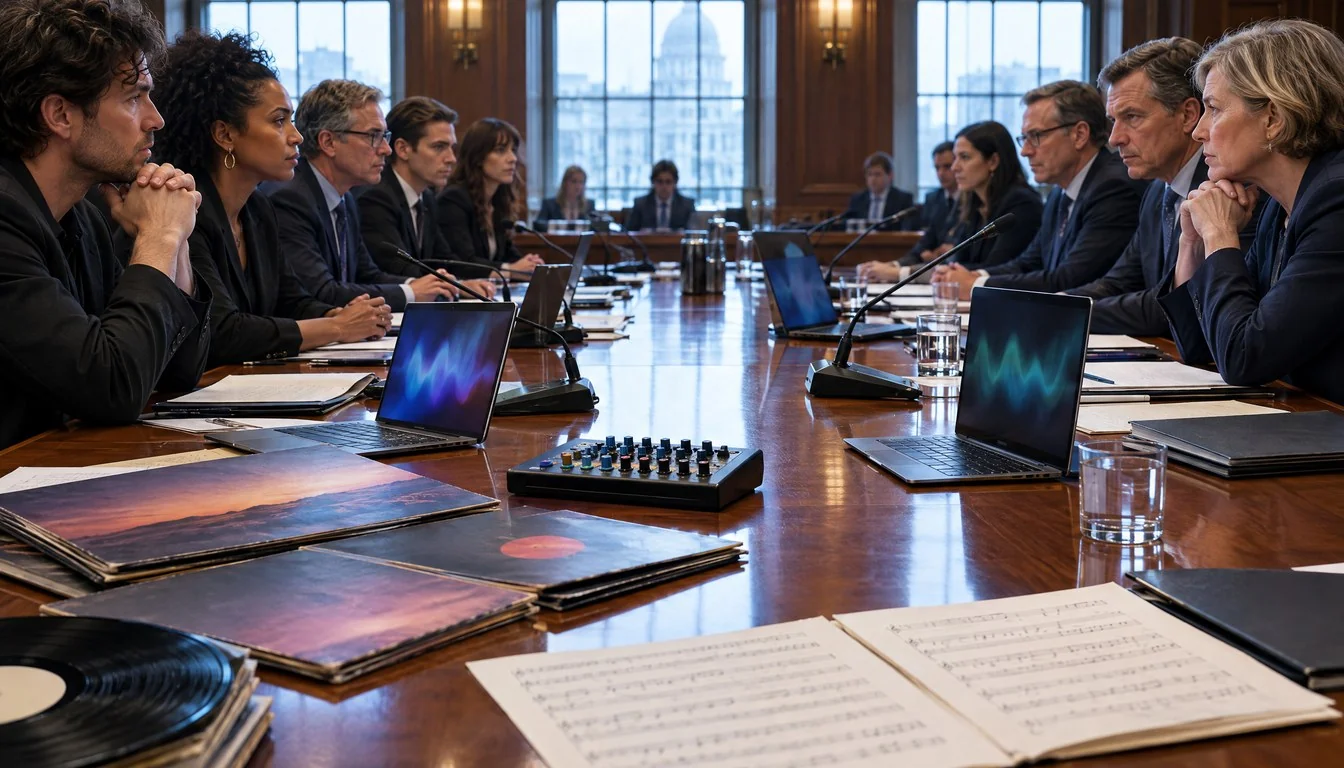
German publishers demand model destruction in GEMA case
In Germany, the legal battle between GEMA (the music copyright society) and OpenAI continues to resonate. Recent reports indicate that publishers in the broader AI copyright litigation sphere are demanding the destruction of AI models trained on their content, mirroring the strict remedies sought in the GEMA case. The Munich Regional Court’s earlier ruling that memorization of song lyrics constitutes copyright infringement remains a pivotal precedent for European courts.

Local view
Germany: "Time to act" at Frankfurt Book Fair
At the Frankfurt Book Fair, German industry leaders and policymakers emphasized that "now is the time to act" against AI copyright infringement. The Börsenblatt reported strong political support for publishers fighting against the "plundering" of tech companies. The focus is on ensuring that AI training data is properly licensed and that creators receive equitable remuneration.

Japan: New AI transparency rules proposed
In Japan, the government is drafting new intellectual property protection principles that would require AI operators to disclose their training data collection methods. According to the Yomiuri Shimbun, these rules aim to address copyright concerns by mandating transparency, although specific penalties for violations are still being debated. This move signals a shift toward greater regulatory oversight in Japan’s AI sector.
Context & numbers
- $1.5 Billion Settlement: The largest known copyright payout in the U.S. remains the $1.5 billion class action settlement with Anthropic, which received final approval in July 2026.
- Licensing Volume: AI content licensing deals are projected to reach 127 in 2026, with major players like OpenAI, News Corp, and Amazon driving the market.
- News Corp Earnings: News Corp reportedly earns around $50 million per year from licensing content to AI companies, highlighting the potential revenue stream for publishers who choose licensing over litigation.
On the radar
- EU Commission Consultation: The European Commission’s targeted consultation on AI and copyright, opened in late September 2026, is still gathering stakeholder views. The outcome could shape binding EU measures on generative AI training data compliance.
- Japan’s Article 30-4 Debate: Ongoing legal analysis in Japan continues to scrutinize Article 30-4 of the Copyright Act, which currently allows AI training without permission under certain conditions. Recent articles question if this exception is sufficient given the scale of data scraping.
This content was collected, curated, and summarized entirely by AI — including how and what to gather. It may contain inaccuracies. Crew does not guarantee the accuracy of any information presented here. Always verify facts on your own before acting on them. Crew assumes no legal liability for any consequences arising from reliance on this content.
Powered by
