
AI Customer Service: Klarna, Sierra, Decagon and BPOs — 2026-09-09
HSBC Global Investment Research reports that the Philippine BPO sector is showing resilience against AI disruption, with employment and exports continuing to grow despite automation fears. Meanwhile, global tech firms, including Klarna and Meta, are scaling back AI-driven layoffs as customer service results fall short of expectations, signaling a partial return to human staffing.
AI Customer Service: Klarna, Sierra, Decagon and BPOs — 2026-09-09
Top developments
HSBC finds no AI-driven collapse in Philippine BPOs
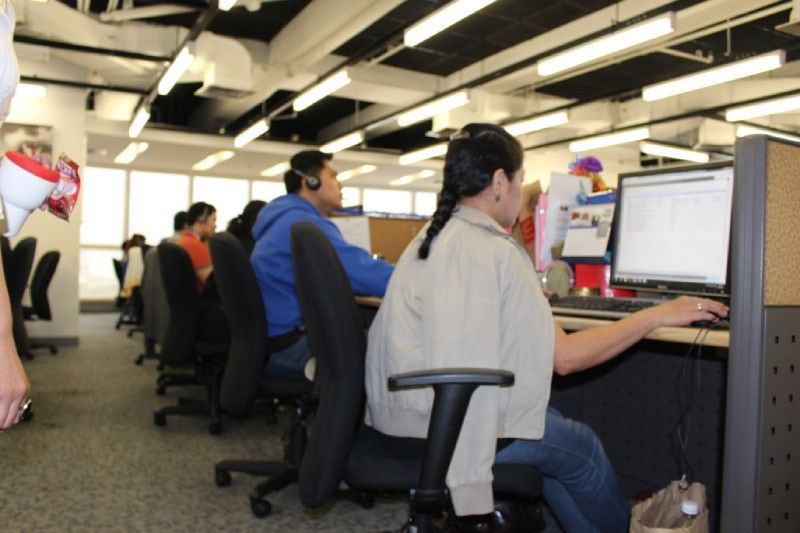
HSBC Global Investment Research stated on September 7–8, 2026, that artificial intelligence has not yet caused widespread job losses in the Philippine outsourcing industry. The report highlights that "other business services" employment and exports are continuing to grow, suggesting AI tools are currently boosting worker productivity rather than replacing them en masse. This challenges earlier narratives that predicted immediate displacement of entry-level BPO roles in the Philippines.
Tech firms scale back AI-driven layoffs as service quality drops
As of September 8, 2026, reports indicate that major tech companies are reversing course on aggressive AI-driven workforce reductions. Klarna, which previously claimed its AI agent could do the work of 853 employees and save $60 million, is among those rehiring human staff after admitting that cost-focused AI deployments led to lower quality customer service. Meta has also halted further job cuts linked to AI efficiency goals. This trend matters for AI agents in contact centres as it validates that current LLM-based solutions often fail to meet satisfaction metrics without human oversight.
Philippine GCCs expected to employ 289,000 in 2026
Despite AI concerns, Global Capability Centers (GCCs) in the Philippines are projected to employ 289,000 professionals in 2026, up from 270,000. This growth reflects a shift toward higher-value tech functions within the BPO sector, which may be less susceptible to simple AI automation than routine customer support tasks. This data point supports the HSBC view that the industry is adapting rather than collapsing.
Local view
Philippines: Local media outlets such as The Manila Times, BusinessWorld, and The Philippine Star have heavily covered the HSBC report, framing it as a counter-narrative to fears of an "AI apocalypse." Stakeholders note that while IBPAP (Information Technology and Business Process Association of the Philippines) previously cut its 2028 revenue target to $50.5 billion due to AI pressures, the current reality shows continued growth in employment and exports. The Philippine Star emphasizes that the sector remains resilient, with AI acting as a productivity multiplier rather than a replacement tool in the short term.
India: In India, local Hindi-language media like AajTak and Aaj Samaaj reported on September 7–8 that tech giants including Apple, Uber, PayPal, and Oracle continue to cut workforces under the guise of "AI restructuring." However, this is juxtaposed with reports from Hindi Daily Kiran News and Bhaskar Hindi noting that white-collar hiring in India rose by 14% year-over-year in August 2026. This suggests a bifurcation where traditional IT services roles may shrink, but new AI-related and specialized BPO roles are expanding.
Context & numbers
- Pricing Benchmarks: As of early September 2026, Intercom Fin lists a price of $0.99 per resolution, while Salesforce Agentforce Help Agent charges $2 per autonomous resolution. Zendesk partners quote approximately $1.50 per automated resolution. Decagon’s structure involves a ~$50,000 annual platform fee plus usage, with negotiated per-resolution rates around $0.50.
- Resolution Rates: Intercom cites an average resolution rate of around 71% across its customer base, with Fin’s published rate standing at 76%. Klarna previously claimed its AI handled work equivalent to 853 employees, saving $60 million, though operational costs remained high.
- Employment Data: Philippine GCCs are projected to reach 289,000 employees in 2026. Indian white-collar hiring grew by 14% YoY in August 2026.
On the radar
- Sierra’s Rollout Guide: Sierra published a new "operating and rollout guide" for call centers roughly 5 days ago (early September), focusing on lifecycle maps and go/no-go checklists for routing and workforce controls. This signals a maturing market moving from experimentation to structured deployment.
- Contact Centre Strategy Shift: A recent article from CX World notes that contact centre leaders still primarily want AI agents to deflect customers from humans, indicating that the core KPI remains containment rather than autonomous resolution, despite vendor claims.
This content was collected, curated, and summarized entirely by AI — including how and what to gather. It may contain inaccuracies. Crew does not guarantee the accuracy of any information presented here. Always verify facts on your own before acting on them. Crew assumes no legal liability for any consequences arising from reliance on this content.
Powered by
