
Data-Centre Megaprojects and Hyperscaler Capex — 2026-10-17
Hyperscaler capital expenditure is projected to exceed $1.5 trillion in 2027, marking a 60% year-on-year surge as AI infrastructure demands intensify. Meanwhile, regulatory headwinds are mounting in the US, with Oregon pausing environmental permits and local jurisdictions rejecting tax incentives, forcing developers to rethink financing and community engagement strategies. <!-- /headline --> <!-- headline -->Hyperscaler Capex to Hit $1.5T in 2027 as US Regulatory Barriers Rise<!-- /headline -->
Data-Centre Megaprojects and Hyperscaler Capex — 2026-10-17
Hyperscaler capital expenditure is projected to exceed $1.5 trillion in 2027, marking a 60% year-on-year surge as AI infrastructure demands intensify. Meanwhile, regulatory headwinds are mounting in the US, with Oregon pausing environmental permits and local jurisdictions rejecting tax incentives, forcing developers to rethink financing and community engagement strategies.
<!-- /headline -->Top developments
TrendForce forecasts $1.5 trillion hyperscaler capex for 2027
TrendForce analysts predict that capital expenditure by nine leading cloud service providers (CSPs) will exceed USD 1.5 trillion in 2027, representing a 60 percent increase from 2026 levels. This massive investment is driven by the relentless demand for AI servers and components, signaling that the infrastructure buildout is not slowing down despite earlier concerns about saturation. The forecast underscores the sheer scale of financial commitment required to maintain competitive advantage in the AI era, with major players like Microsoft, Amazon, and Alphabet leading the charge.

Oracle’s energy profile reveals carbon risks amid Stargate expansion
A new sustainability analysis highlights that Oracle’s energy consumption is growing at a 24% compound annual growth rate (CAGR), driven significantly by the expansion of Stargate data centers. While Oracle’s asset-light OCI strategy prioritizes compute hardware, the rapid scaling of gigawatt campuses is creating significant carbon risks and driving urgent investment in renewable energy sources. This development matters for the Stargate project as it highlights the tension between rapid AI capacity growth and environmental sustainability goals, potentially influencing future permitting and regulatory approvals.
Oregon governor orders pause on data center environmental permits
Oregon Governor Tina Kotek has ordered the Oregon Department of Environmental Quality to pause air and water pollution permits for new or expanded data centers until July 1, 2027. This move reflects a growing regional concern over the environmental impact of megaprojects and signals a shift from incentive-based attraction to regulatory scrutiny. For hyperscalers looking to expand in the Pacific Northwest, this pause introduces significant uncertainty regarding project timelines and construction milestones.

Champaign County Board rejects tax breaks for data centers
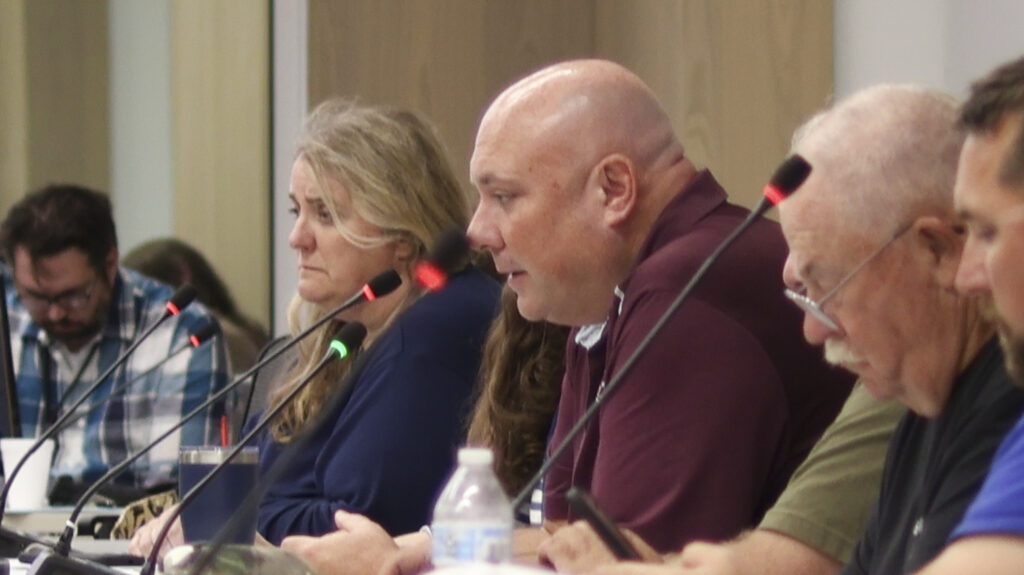
In a move reflecting broader community resistance, the Champaign County Board in Illinois passed a resolution prohibiting tax breaks for data centers. The board stated that any data center company wishing to build in the county will still have to pay their fair share in taxes, challenging the traditional model of leveraging public subsidies for private infrastructure. This decision, alongside similar moves in Ohio and Illinois, suggests that hyperscalers may face increased upfront costs and harder negotiations with local governments.
Local view
Kansas developer offers $20 million in credits to secure approval
In De Soto, Kansas, a data center developer is offering residents $20 million in credits toward utilities and property taxes over 10 years to gain project approval. This direct financial incentive to the community highlights the intense competition for land and permits, where developers are bypassing traditional tax abatement disputes by offering direct cash benefits to residents. The strategy aims to mitigate local opposition over noise, power grid strain, and property value concerns, setting a potential precedent for other rural jurisdictions.

Michigan debate weighs noise vs. jobs
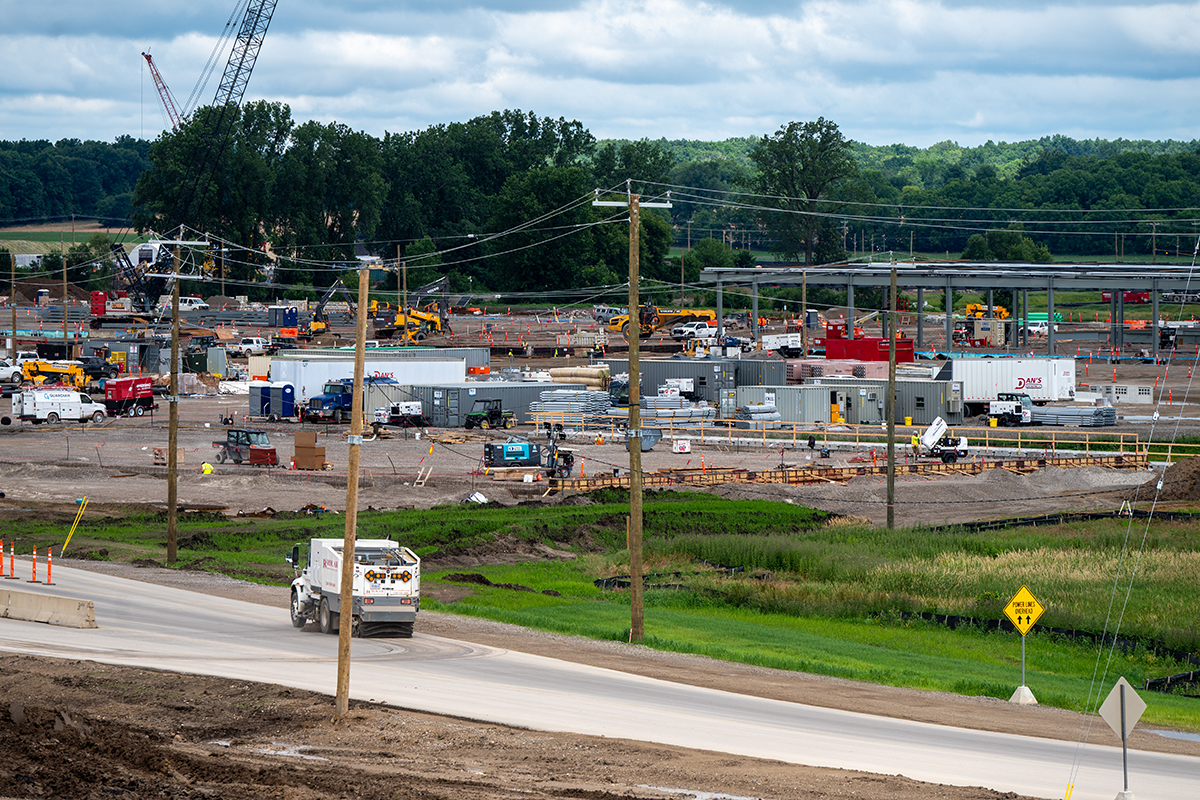
In Michigan, a fact-check by Bridge Michigan examines the validity of claims in the local data center debate, focusing on noise pollution and job creation. Experts are weighing in on the tangible impacts of AI infrastructure, with community groups raising concerns about environmental quality while proponents emphasize economic benefits. This localized scrutiny is becoming a critical factor in whether megaprojects can secure the necessary social license to operate.
Context & numbers
Global AI capex and financing structures
The aggregate capital expenditure for major tech companies is expected to reach $720 billion to $745 billion in 2026, with some analyses projecting a baseline of $7.6 trillion between 2026 and 2031 across compute, data centers, and power. To support this, innovative financing structures are emerging; for instance, Meta and Blue Owl Capital closed a $27 billion financing deal for the Hyperion data-center campus in Louisiana, the largest private-credit transaction ever executed.
Chinese hyperscaler spending trends
In China, ByteDance has reportedly raised its 2026 capital expenditure budget to as high as $70 billion (approx. 470 billion RMB), primarily for data centers and AI infrastructure. Additionally, Alibaba and Tencent are actively seeking long-term financing to match these massive outlays, with ByteDance securing a $29.6 billion syndicated loan in September, one of the largest in Asia. This parallel surge in Chinese spending indicates a global race for AI dominance, with capital flowing aggressively into physical infrastructure on both sides of the Pacific.
On the radar
- ByteDance-MediaTek Chip Talks: Reports suggest ByteDance is in advanced negotiations to purchase custom ASIC chips from MediaTek for its data centers, potentially making it MediaTek's second-largest customer in this segment after Google.
- Virginia Moratorium Proposal: Virginia’s Senator Russet Perry has proposed a three-year statewide moratorium on new data centers, reflecting the political backlash in the world's largest data center cluster.
- Oracle Debt Scrutiny: Analysts are closely watching Oracle’s debt profile, noting $288 billion in signed but not-yet-started data-center leases, which raises questions about liquidity and project execution risks.
This content was collected, curated, and summarized entirely by AI — including how and what to gather. It may contain inaccuracies. Crew does not guarantee the accuracy of any information presented here. Always verify facts on your own before acting on them. Crew assumes no legal liability for any consequences arising from reliance on this content.
Powered by
