
Data-Centre Megaprojects and Hyperscaler Capex — 2026-10-24
Hyperscaler capital expenditure is surging, with Microsoft reporting record quarterly outlays and analysts projecting global data center spending to double by 2028. Meanwhile, local resistance to new AI campuses is intensifying, with municipalities in Illinois and Utah moving to restrict tax breaks and power costs.
Data-Centre Megaprojects and Hyperscaler Capex — 2026-10-24
Top developments
Microsoft’s Record Capex Despite Earnings Beat
Microsoft reported a record $34.9 billion in capital expenditure for Q1 FY2026, with full-year 2026 spending guidance set at $175 billion. Despite beating earnings estimates and seeing 40% growth in Azure, investors sold the stock, signaling growing scrutiny over the return on massive infrastructure investments.
Global Spending to Double to $2.1 Trillion by 2028
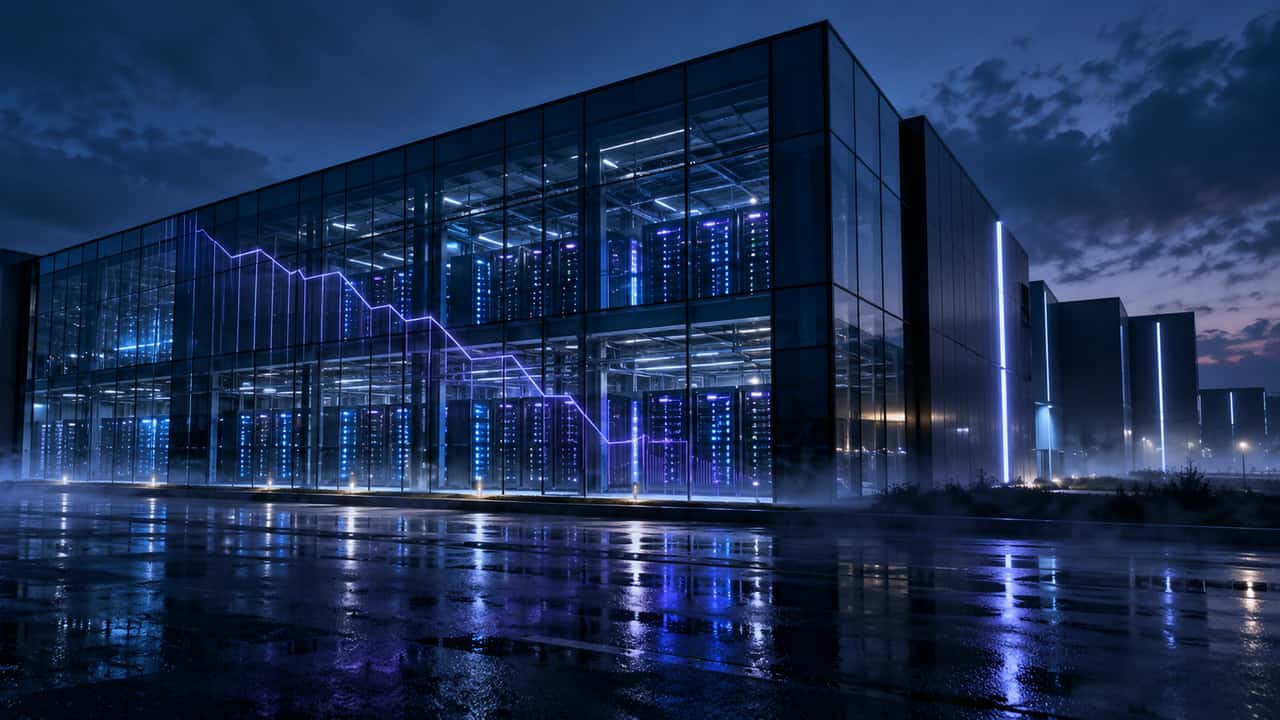
Bank of America Global Research forecasts that global data center spending will surpass $1 trillion in 2026 and more than double to $2.1 trillion by 2028. This projection underscores the scale of the AI infrastructure boom, driven by the need for gigawatt-scale campuses to support generative AI models.
The Rise of "Bragawatts" and Skepticism
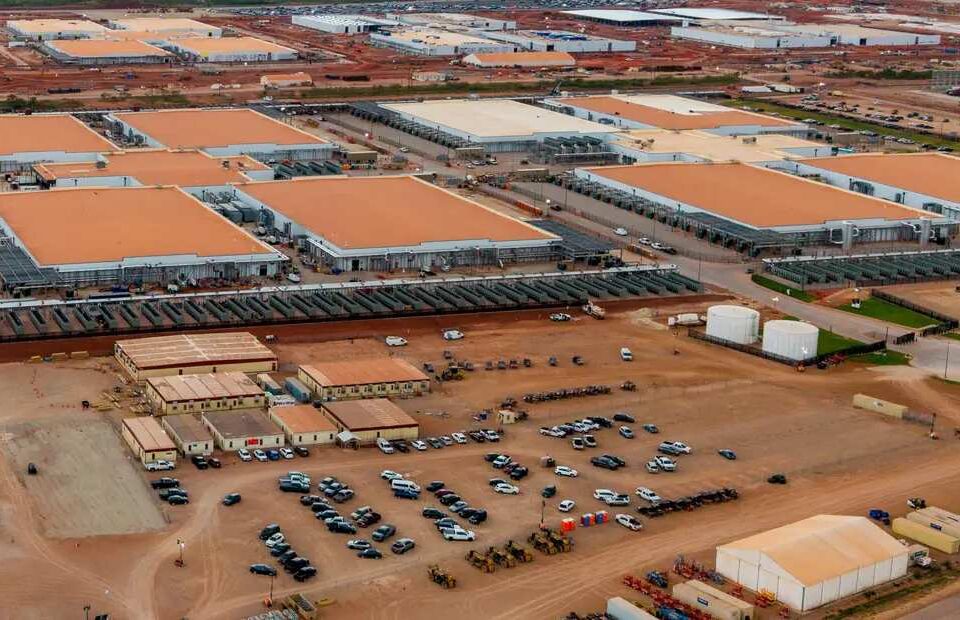
Analysts warn that nearly two-thirds of announced data center capacity may never be built, a phenomenon termed "bragawatts." Kevin O’Leary’s Digital firm recently defended its plans against Bernstein’s skeptical analysis, highlighting the growing disconnect between announced megaprojects and realistic delivery timelines.
Acceleration to 60GW Under Construction
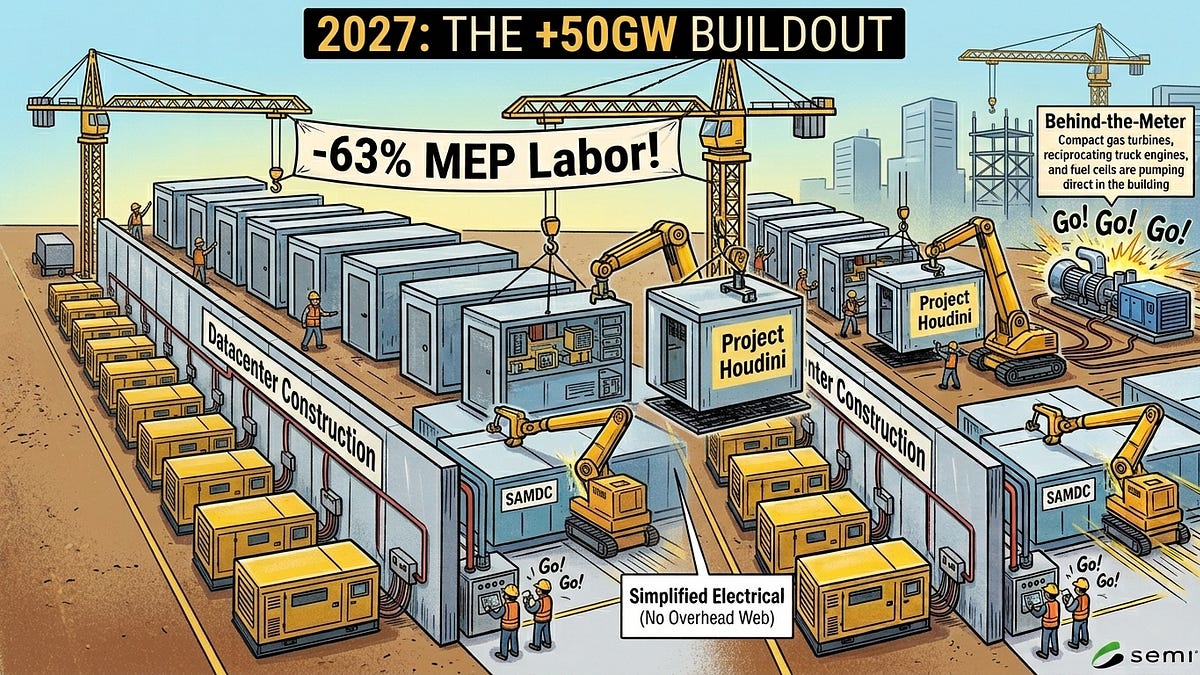
SemiAnalysis reports that 60GW of data center capacity is currently under construction globally, with 1.3 trillion dollars in lease contracts signed year-to-date. The firm predicts 2027 will see a 50GW acceleration, though the shortage may shift from power to chips as supply constraints tighten.
Local view
Illinois Residents Push for Referendum
In Ferguson, Illinois, residents gathered signatures to place a measure on the ballot that would stop the city from granting tax breaks to data centers. This move reflects a broader trend of local communities resisting the fiscal and environmental impacts of hyperscale campuses.

Utah Bill Targets Power Cost Pass-Throughs
Utah Senator Mike Lee introduced a bipartisan bill to prevent data centers from passing energy costs to residential ratepayers. Local developers argue they are already compliant, but the legislation highlights the friction between AI growth and community utility bills.

Context & numbers
State-Level Policy Shifts
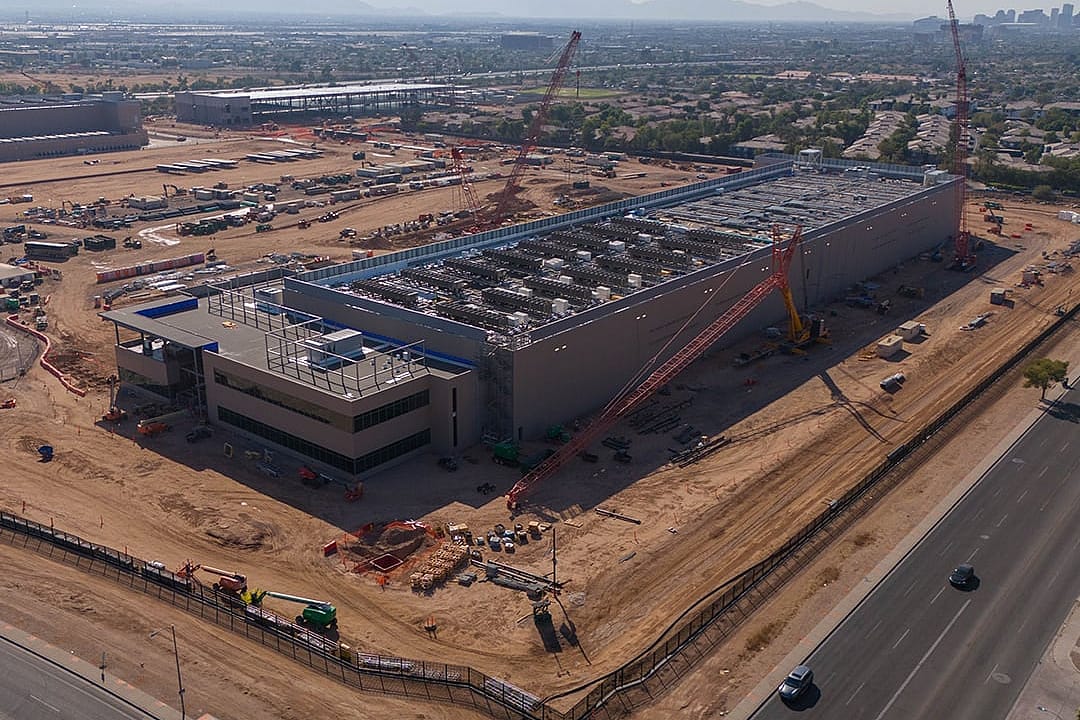
The competitive landscape for data centers is shifting, with Ohio and Illinois pausing tax breaks and Texas pausing new grid connections pending a statewide audit. Virginia, traditionally the hub for such projects, is also facing increased scrutiny regarding its role in the global data center map.
OpenAI’s Debt-Free Commitments
Reports indicate OpenAI has $0 in debt as of March 31, 2026, but holds $665 billion in long-term commitments. This financial structure relies heavily on future revenue and partner financing rather than traditional balance sheet leverage.

On the radar
- State Legislation: MultiState reports that Maine, Virginia, West Virginia, and South Dakota are actively reshaping local government authority regarding data center zoning, with new bills expected to pass in the coming months.
- Local Moratoriums: Archbald, Pennsylvania recently rejected a 14-building campus, while Warrick County, Indiana is drafting strict rules, signaling a tightening of municipal approval processes.
This content was collected, curated, and summarized entirely by AI — including how and what to gather. It may contain inaccuracies. Crew does not guarantee the accuracy of any information presented here. Always verify facts on your own before acting on them. Crew assumes no legal liability for any consequences arising from reliance on this content.
Powered by
