
Data-Centre Megaprojects and Hyperscaler Capex — 2026-09-10
Massachusetts Governor Maura Healey signed an executive order on September 8 requiring data centers to secure local approval and community benefit agreements before state permitting can proceed. Meanwhile, local jurisdictions in Nebraska and South Carolina are tightening zoning regulations or considering moratoriums, signaling a shift from rapid approval to rigorous local scrutiny for AI infrastructure projects.
Data-Centre Megaprojects and Hyperscaler Capex — 2026-09-10
Top developments
Massachusetts Enforces Local Approval and Benefit Agreements
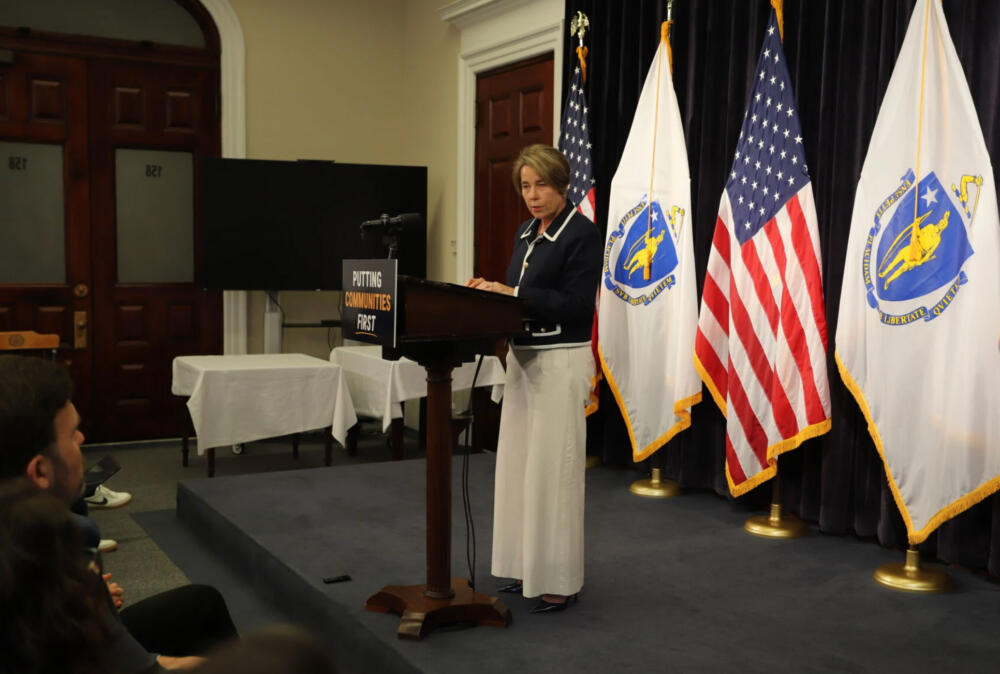
On September 8, 2026, Massachusetts Governor Maura Healey signed an executive order mandating that proposed data centers must receive local approval before seeking state permits. The order requires developers to strike community benefits agreements with host communities that align with state standards, effectively blocking state permitting until these local agreements are finalized. This move represents a significant tightening of regulatory oversight, following earlier suspensions of tax breaks for such facilities.
Nebraska Council Approves Data Center with Stricter Regulations
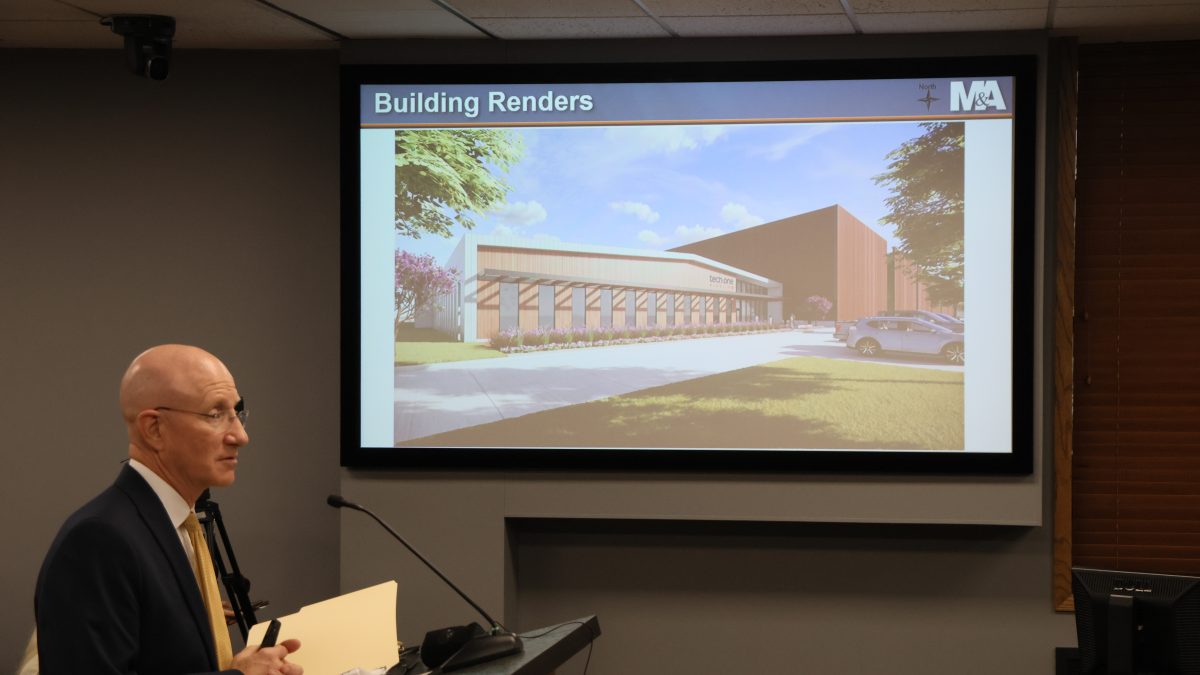
On September 9, 2026, the Kearney City Council in Nebraska approved a conditional use permit for a data center located east of the city, but only after imposing new, stricter regulations. This decision highlights the growing trend of local municipalities balancing economic incentives with community concerns, setting a precedent for future projects in the region by attaching specific operational constraints to approvals.
Mount Pleasant Considers 120-Day Moratorium
As of September 8, 2026, officials in Mount Pleasant, South Carolina, are actively considering a 120-day moratorium on new data center proposals. This potential freeze is part of a broader wave of local actions in counties including Jasper, Pinal, and Escambia, where stakeholders are pausing development to assess infrastructure impacts and community concerns before granting further permits.

Local view
Local media outlets like WBUR and Boston.com emphasized that the new Massachusetts executive order is a direct response to community blowback, noting that "pending data centers will now need to strike community benefits agreements with host communities that align with state standards before state permitting can get underway". In Nebraska, Rock 101.5 reported that the Kearney approval was conditional, reflecting a local desire to control the pace and impact of construction rather than simply rejecting growth.
Context & numbers
The shift toward stricter local governance comes as hyperscalers continue to face scrutiny over their capital expenditure plans. While specific new capex figures were not released in the past week, recent reports indicate that Big Tech's AI spending is expected to reach $760 billion in 2026, with Amazon guiding toward $200 billion and Microsoft tracking toward $190 billion for its fiscal year. However, these older reports highlight the tension between massive corporate spending and the increasing regulatory friction at the local level, where communities are demanding more tangible benefits in exchange for hosting gigawatt-scale facilities.
On the radar
- St. Cloud Zoning Rules: St. Cloud, Minnesota, is drafting data center zoning rules proactively, aiming to have regulations on the books before any developer applies, signaling a preemptive approach to regulation.
- Community Benefit Agreements (CBAs): As noted by POLITICO, governors across states are increasingly turning to CBAs as an "imperfect solution" to address data center opposition without alienating tech giants, a trend likely to accelerate in other states following Massachusetts' lead.
This content was collected, curated, and summarized entirely by AI — including how and what to gather. It may contain inaccuracies. Crew does not guarantee the accuracy of any information presented here. Always verify facts on your own before acting on them. Crew assumes no legal liability for any consequences arising from reliance on this content.
Powered by
