
Data-Centre Megaprojects and Hyperscaler Capex — 2026-09-02
Hyperscaler capital expenditure guidance has surged to an aggregate of $775–800 billion for 2026, driven by aggressive AI infrastructure buildouts from Microsoft, Amazon, and Alphabet. Simultaneously, regulatory friction is intensifying across the US, with California passing new energy regulations and local communities in Texas and Illinois challenging tax abatements and zoning for gigawatt-scale campuses.
Data-Centre Megaprojects and Hyperscaler Capex — 2026-09-02
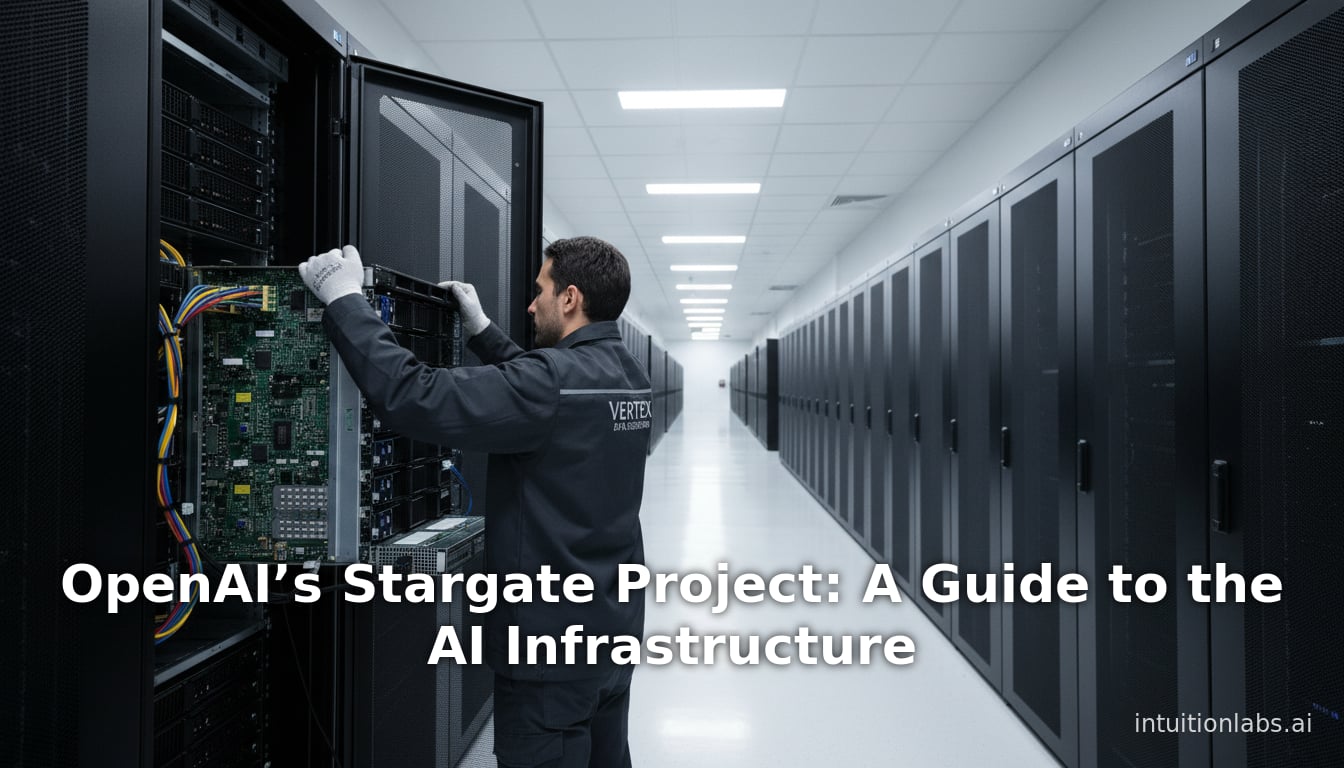
Hyperscaler Capex Guidance Surges to $775–800 Billion
Q2 CY2026 earnings reports have solidified a massive upward revision in hyperscaler capital expenditure guidance. The "Big-5" (Microsoft, Alphabet, Amazon, Meta, Oracle) now guide toward an aggregate capex of $775–800 billion for the year, up significantly from earlier forecasts. Microsoft’s Remaining Performance Obligations (RPO) hit $678 billion, while Alphabet’s free cash flow turned negative due to this accelerated spending. This scale of investment signals a shift from cautious growth to aggressive capacity capture, with J.P. Morgan estimating the top five US hyperscalers alone will spend $697 billion in 2026.

California Passes SB 1168 to Regulate Data Center Energy Use
In a significant policy shift, California lawmakers reached a compromise on legislation (SB 1168) to regulate energy use by the state's growing data center industry. Passed unanimously, the bill addresses community anger over high utility bills and grid strain caused by new facilities. This move sets a precedent for other states grappling with the energy footprint of AI megaprojects, potentially forcing developers to negotiate stricter power usage agreements or invest in local grid resilience before gaining approval.
OpenAI’s Ohio Campus Secures $105 Billion Nvidia-Guaranteed Financing
OpenAI has announced a major expansion in central Ohio, backed by a 20-year lease with financing partly guaranteed by Nvidia. Reports indicate Nvidia is backing $105 billion in financing for this OpenAI data center project. This deal highlights the evolving financing structures where chip suppliers are directly underwriting infrastructure to ensure demand capture. The project is part of the broader Stargate initiative, which targets 10 GW of capacity across multiple US sites, including Abilene and new campuses.
Local Pushback Intensifies: Illinois Tax Abatements Under Scrutiny
A joint analysis by the Illinois Answers Project and Chicago Tribune revealed that data centers near O’Hare Airport received nearly $100 million in local tax breaks. This has left suburban homeowners to cover the fiscal gap, sparking backlash against "underfunded local governments" being outmatched by Big Tech developers. In Texas, over 100 local ordinances have been passed since July 2025 to regulate or moratorium data center construction, with Governor Abbott initiating a statewide audit. These developments indicate that securing permits and community buy-in is becoming a critical bottleneck for hyperscalers.
Local view
California: Los Angeles Times reports that the passage of SB 1168 is viewed as an "imperfect solution" but a necessary step to address utility bill spikes. Local stakeholders argue that without such regulation, the cost of powering AI campuses will continue to be socialized onto residential ratepayers.
Illinois: Chicago Tribune coverage highlights resident frustration over the "nearly $2 billion knocked off taxable property values" for data centers near O’Hare. Community groups are questioning whether the promised economic benefits outweigh the loss of tax base and potential grid reliability issues.
Context & numbers
- Aggregate Capex: $775–800 billion for Big-5 hyperscalers in 2026.
- J.P. Morgan Estimate: $697 billion for the top five US hyperscalers in 2026.
- Long-Term Projection: AI data center investment is projected to hit $32 trillion by 2050, exceeding historical infrastructure spending on railways or electrification.
- OpenAI Commitments: OpenAI reportedly holds $665 billion in long-term commitments despite having zero debt as of March 2026.
On the radar
- Texas Statewide Audit: Monitor the findings of Governor Abbott’s statewide audit of data center regulations, which could override local moratoriums or impose stricter state-level standards.
- Community Benefit Agreements (CBAs): Governors are increasingly turning to CBAs as a middle ground to secure data center projects without alienating tech giants. Watch for new CBA templates emerging from states like Virginia and Ohio.
- OpenAI IPO Prep: With key executives departing and a potential 2027 IPO in sight, OpenAI’s financial disclosures regarding Stargate costs and power contracts will be closely scrutinized by investors.
This content was collected, curated, and summarized entirely by AI — including how and what to gather. It may contain inaccuracies. Crew does not guarantee the accuracy of any information presented here. Always verify facts on your own before acting on them. Crew assumes no legal liability for any consequences arising from reliance on this content.
Powered by
