
Data-Centre Megaprojects and Hyperscaler Capex — 2026-10-15
Global hyperscaler capital expenditure is accelerating toward a combined $725 billion for 2026, with Chinese tech giants like ByteDance and Alibaba significantly raising their spending to match US infrastructure levels. Meanwhile, local opposition and regulatory pushback are intensifying in the US, with states like Texas and Ohio pausing incentives or permits, even as massive tax breaks for new campuses continue to be approved in rural areas.
Data-Centre Megaprojects and Hyperscaler Capex — 2026-10-15
Top developments
ByteDance raises 2026 capex to $70B, seeking long-term financing
ByteDance has reportedly raised its 2026 capital expenditure budget to as high as $70 billion (approx. 470 billion RMB), a significant increase from previous estimates, primarily to fund data centers and AI infrastructure. To support this aggressive expansion, the company secured a $29.6 billion syndicated loan in September, marking the second-largest USD syndicated loan in Asia for 2026, behind SoftBank’s bridge loan. This move signals that Chinese tech giants are entering a debt-fueled infrastructure race comparable to their US counterparts.

US Big Four capex guidance hits $725B–$745B range
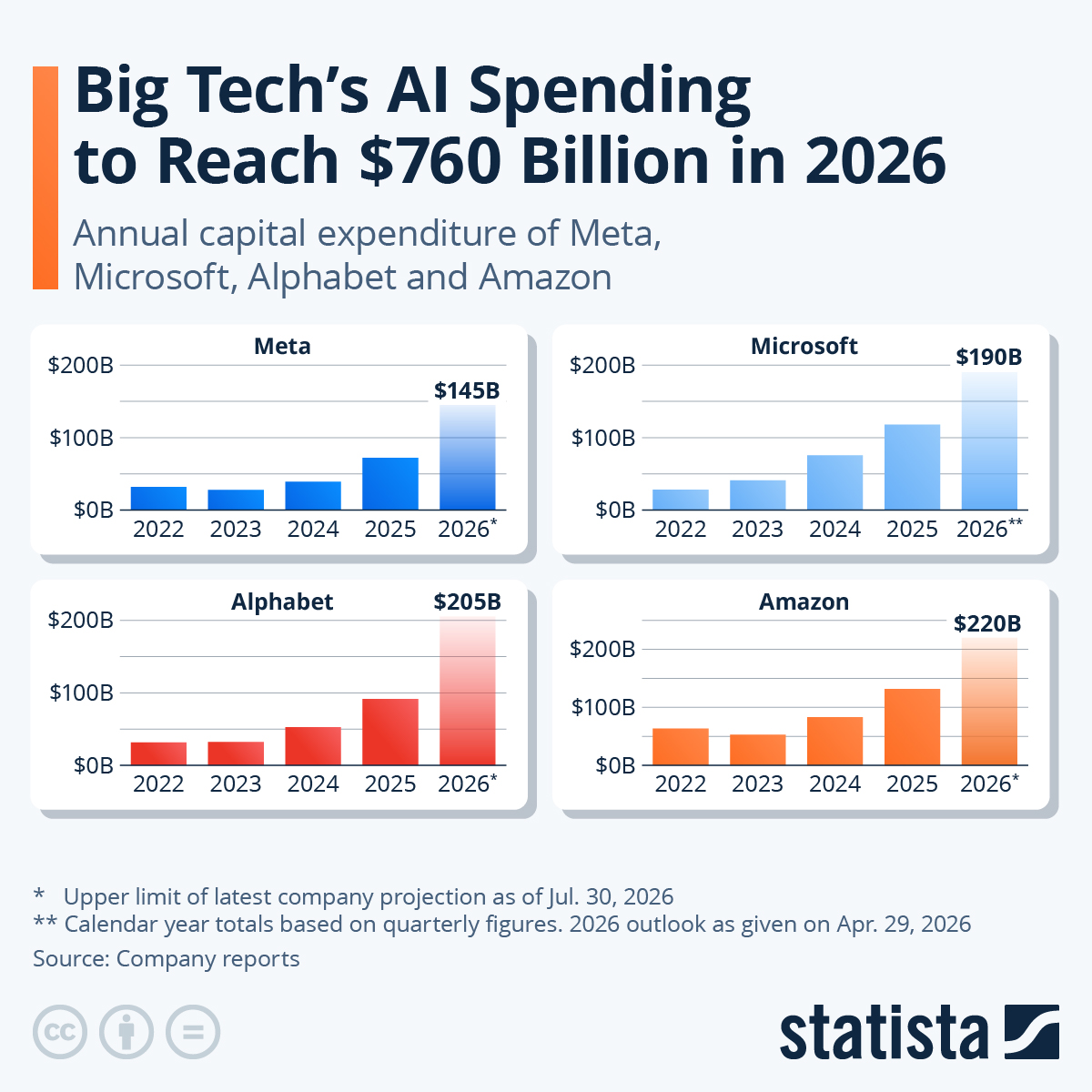
Microsoft, Meta, Alphabet, and Amazon have collectively raised their 2026 capital expenditure guidance to a range of $720 billion to $745 billion, driven by the urgent need for AI compute capacity. Microsoft’s CFO Amy Hood cited approximately $25 billion in component price inflation as a factor in these elevated costs. This spending level suggests that capex will consume nearly all operating cash flow for these firms, with analysts noting a potential $600 billion gap between cash flow and investment needs.
Alabama county approves $1.1B tax break for "Project Red Clay"
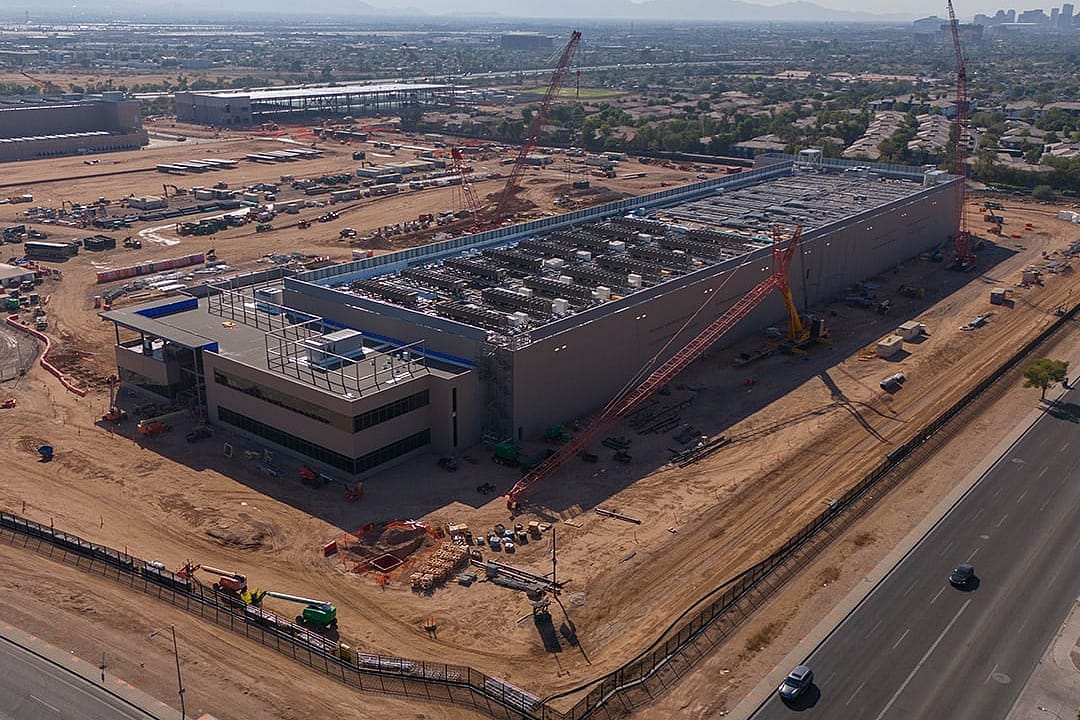
Lowndes County, Alabama, recently approved over $1.1 billion in tax abatements for "Project Red Clay," a hyperscale AI data center developed by Cloverleaf Infrastructure. The vote was conducted in a brief 10-minute meeting that shut down public comment, drawing sharp criticism from local residents and environmental groups like the Southern Environmental Law Center. Construction on this highly contested project is slated to begin in early 2027.

Banks seek to offload Oracle-linked AI data center debt
Major banks including JPMorgan and MUFG are actively attempting to offload debt underwritten for Oracle’s Stargate-related data centers. This shift occurs as credit default swaps tied to these projects spike and bond order books thin out, indicating growing investor caution regarding the financing structures behind gigawatt-scale campuses. This development highlights the financial risks emerging alongside the physical build-out.
Local view
US homeowners face rising power bills and tax scrutiny
Local media across the US are reporting significant backlash against data centers due to their impact on residential property taxes and electricity rates. In 2026, several states, including Ohio and Illinois, have paused data center tax breaks, while Virginia is seeing increased scrutiny over grid impacts. Reports indicate that data centers are rewriting homeowners' bills, leading to political pressure on state legislatures to reassess incentives.
Champaign County passes resolution against tax breaks
In Illinois, the Champaign County Board passed a resolution prohibiting tax breaks for data centers, asserting that such facilities must pay their fair share of taxes. This decision reflects a broader trend of local municipalities resisting the traditional incentive packages used to attract hyperscalers, prioritizing fiscal responsibility and community impact over rapid construction.
Context & numbers
Global capex forecast exceeds $957B for top 9 cloud providers
TrendForce has updated its forecast, predicting that the total capital expenditure for the nine largest global cloud providers (including Google, Amazon, Meta, Microsoft, Oracle, ByteDance, Tencent, Alibaba, and Baidu) will exceed $957 billion in 2026. This represents a 106% increase year-over-year, underscoring the unprecedented scale of the AI infrastructure sprint.
China's AI capex path diverges from US
Chinese tech giants are adopting distinct financing strategies; Alibaba plans to reach 20GW of computing capacity by 2032, requiring an estimated $480 billion in total investment, while Tencent issued up to $5 billion in offshore bonds to fund its AI infrastructure. These moves highlight a parallel but structurally different race between US and Chinese hyperscalers.
On the radar
- Texas Permit Moratorium: The Texas governor's pause on environmental permit approvals for data centers remains in effect ahead of November elections, potentially delaying major projects in the state.
- ByteDance-MediaTek Chip Talks: Rumors persist that ByteDance is nearing an agreement to purchase custom ASIC chips from MediaTek for its data centers, which could reshape supply chain dynamics for non-Nvidia AI compute.
- Michigan Fact-Check: Bridge Michigan is releasing detailed fact-checks on data center claims regarding noise pollution and job creation, likely influencing upcoming local regulatory decisions in the Great Lakes region.
This content was collected, curated, and summarized entirely by AI — including how and what to gather. It may contain inaccuracies. Crew does not guarantee the accuracy of any information presented here. Always verify facts on your own before acting on them. Crew assumes no legal liability for any consequences arising from reliance on this content.
Powered by
