
Data-Centre Megaprojects and Hyperscaler Capex — 2026-09-13
Microsoft has confirmed plans to triple its global data center capacity to 38 gigawatts by 2032, driven by a severe capacity crisis that resulted in lost clients. Meanwhile, Massachusetts Governor Maura Healey signed an executive order requiring local approval for new data centers, signaling a tightening regulatory environment for hyperscalers in the Northeast.
Data-Centre Megaprojects and Hyperscaler Capex — 2026-09-13
Top developments
Microsoft targets 38 GW capacity by 2032
On September 11, reports confirmed Microsoft’s plan to more than triple its data center capacity to over 38 gigawatts by 2032. This aggressive expansion reverses a 2025 pause that reportedly cost the company clients like Temu and diverted GitHub traffic to AWS due to capacity shortages. The six-year build-out faces significant hurdles, including moratoriums in Texas and New York, and grid interconnection queues that currently last four to seven years.

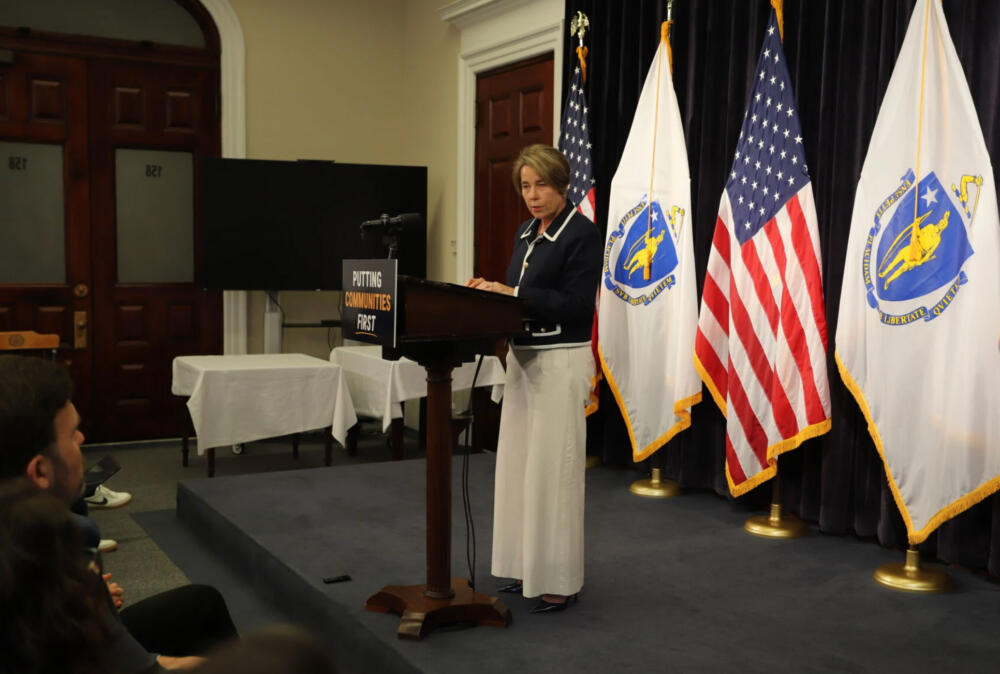
Massachusetts mandates local approval for data centers
On September 8, Massachusetts Governor Maura Healey signed an executive order requiring all proposed data centers to secure local approval before seeking state permits. The order mandates that projects strike community benefits agreements with host communities that align with state standards. This move follows a summer halt on tax breaks and represents one of the strictest state-level regulatory frameworks for AI infrastructure in the US.
Local moratoriums spread across US jurisdictions
As of September 10, Lake County approved an eight-month moratorium on data center development, joining a growing list of jurisdictions restricting new builds. Eugene, Oregon, also rejected a proposed data center, while other areas including Clinton Township and Ferguson are reviewing similar measures. These local actions highlight the increasing friction between hyperscaler expansion goals and community concerns regarding land use and energy consumption.
Local view
Massachusetts (WBUR & Mass.gov): Local media coverage focuses heavily on the Governor's executive order as a victory for community leverage. Stakeholders note that pending projects must now negotiate directly with towns, shifting the power dynamic from state-level incentives to local consent.
Illinois (Chicago Tribune): While the specific report on O'Hare-area tax breaks was published in late August, the fallout continues to influence suburban sentiment. A recent analysis showed nearly $100 million in tax breaks for data centers near O'Hare, leaving suburban homeowners to cover the gap, which has fueled the recent wave of local moratoriums.
Context & numbers
- Microsoft Capacity: Current plans target >38 GW by 2032, up from ~13 GW in 2025.
- Oracle Debt & Backlog: Oracle is running a $664 billion backlog supported by $125 billion in debt, highlighting the capital-intensive nature of the Stargate and other mega-projects.
- Regulatory Volume: In 2026, more than 300 state data center legislation bills have been filed across 30+ states, marking a shift from incentives to regulation.
On the radar
- Grid Interconnection Queues: Monitor updates on FERC rulings regarding "first-ready, first-served" grid access, which is currently delaying Microsoft’s Texas and New York expansions by 4–7 years.
- State Legislative Sessions: Watch for new bills in South Dakota and Oklahoma, which have recently introduced data center-specific legislation focusing on energy and tax issues.
- Community Benefits Agreements (CBAs): Follow the first executed CBAs under Massachusetts' new order, as they will likely set the template for negotiations in other restrictive states.
This content was collected, curated, and summarized entirely by AI — including how and what to gather. It may contain inaccuracies. Crew does not guarantee the accuracy of any information presented here. Always verify facts on your own before acting on them. Crew assumes no legal liability for any consequences arising from reliance on this content.
Powered by
