
Data-Centre Megaprojects and Hyperscaler Capex — 2026-09-17
Regulatory and political headwinds intensified this week as the US House advanced a bill to shield ratepayers from data center grid costs, while Massachusetts and Indiana moved to tighten local control over new builds. Meanwhile, OpenAI signaled a strategic shift by developing its own 3.2 GW campus, and Oracle faced growing local opposition to its Stargate sites despite promising renewable energy offsets.
Data-Centre Megaprojects and Hyperscaler Capex — 2026-09-17
Top developments
US House Advances Bill to Shield Ratepayers from Data Center Grid Costs
On September 16, the US House advanced the bipartisan "Ratepayer Protection Act," designed to ensure that local residents do not subsidize the expensive grid upgrades required to support large-scale data centers. The legislation aims to shift infrastructure costs directly to hyperscalers and developers, addressing rising concerns over electricity price hikes in regions hosting gigawatt campuses. This move reflects growing political pressure across swing states where data center construction has become a contentious local issue.

OpenAI Shifts to Self-Development with 3.2 GW "Project Camellia"
In a significant departure from its reliance on partners like Oracle and Microsoft, OpenAI is reportedly developing its own 3.2 GW data center campus, codenamed "Project Camellia." The project, detailed in reports from September 15, represents a $20+ billion spend and marks OpenAI’s transition from a pure compute customer to an infrastructure developer. This shift grants OpenAI greater design control but exposes it to direct financing risks and long-term power obligations, potentially altering the hyperscaler partnership landscape.
Oracle Promises 2 GW of Renewables to Counter Stargate Opposition
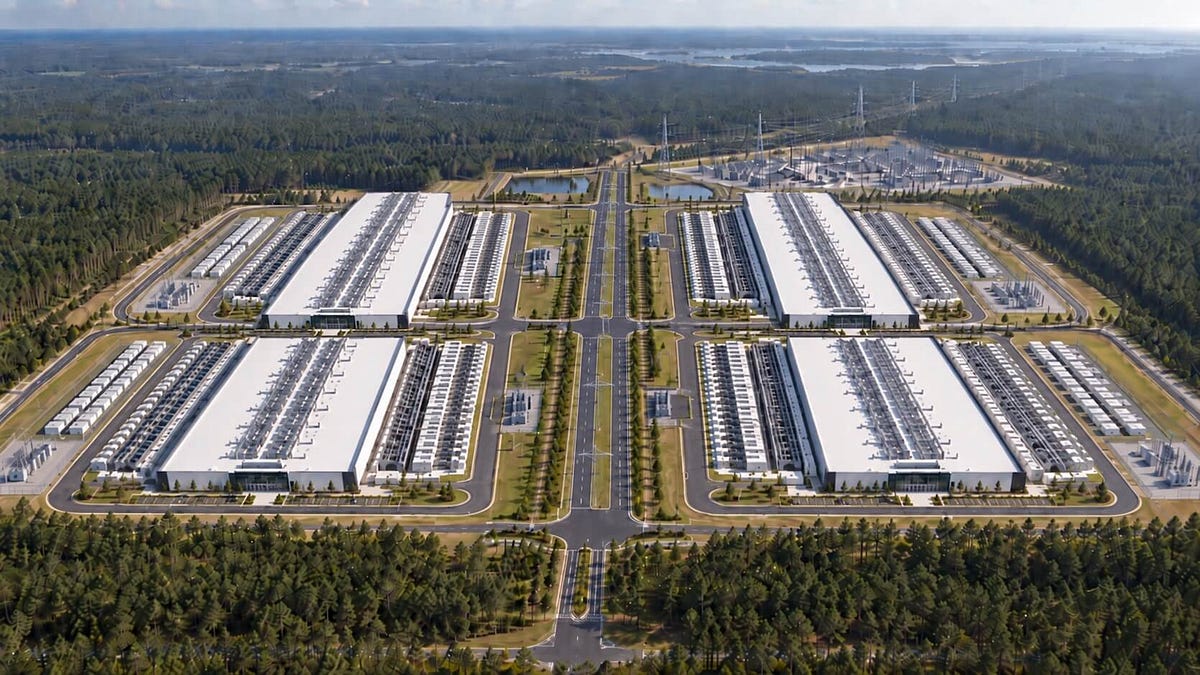
Facing mounting local resistance to its massive Stargate data centers, Oracle announced on September 11 that it would pledge 2 GW of renewable energy generation to match the carbon emissions of its facilities. Despite this pledge, critics note that the primary power source for these campuses remains natural gas, with the renewables serving primarily as an offset mechanism rather than a direct supply replacement. This strategy aims to appease environmental groups and local communities in areas like Ohio and Texas where "not-in-my-backyard" sentiments are rising against gigawatt-scale AI infrastructure.
Indiana Approves $240 Million Tax Break for $4.3 Billion Decatur Township Campus
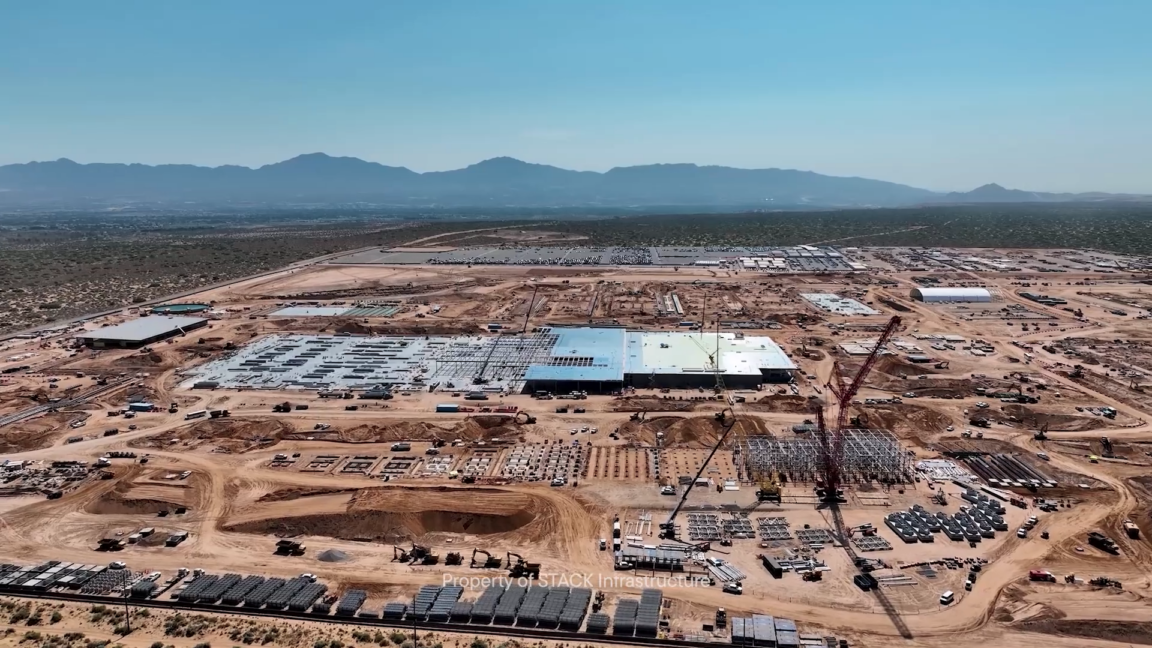
On September 16, the Metropolitan Development Commission in Indianapolis approved over $240 million in tax breaks for a $4.3 billion data center project in Decatur Township. The approval highlights the continued competition among local governments to attract hyperscaler capital through aggressive fiscal incentives, even as federal and state-level regulations begin to scrutinize the community impact of such megaprojects. This deal underscores the tension between economic development goals and the emerging regulatory pushback seen in other jurisdictions.

Local view
Local media outlets are increasingly focusing on the friction between rapid data center expansion and community welfare. In Washington State, Pierce County launched a public survey following an emergency ordinance passed in August that prohibits new data center permits exceeding 10 MW in unincorporated areas, reflecting deep local skepticism about energy consumption and land use. Meanwhile, the Los Angeles Times reported on rural resistance in Clinton, Iowa, where Blackstone-owned QTS is facing pushback for a massive data center project, highlighting how even economically struggling towns are hesitant to accept industrial-scale AI infrastructure without stronger community benefits agreements. TechCrunch also highlighted conflicts in Philadelphia, where proposed data centers are colliding with neighborhoods already scarred by heavy industry, raising environmental justice concerns.
Context & numbers
The financial scale of the AI buildout continues to dwarf traditional IT spending. While specific weekly capex updates were limited, recent industry analyses reaffirm that combined hyperscaler capex for 2026 is projected to exceed $700 billion, driven by Microsoft’s target of 38 GW capacity by 2032 and Amazon’s $200 billion annual spend. On the financing front, the trend toward private credit and structured deals continues, with Meta’s Hyperion campus financing serving as a blueprint for future large-scale debt raises. Additionally, data from ERCOT indicates that some operational hyperscale centers are running at only 50–60% of their reported capacity, suggesting potential inefficiencies or staged ramp-ups that impact actual grid load projections.
On the radar
- Massachusetts Executive Order Implementation: Following Gov. Maura Healey's September 13 order requiring local approval for data centers, stakeholders are watching for the first set of community benefits agreements required before state permitting can proceed.
- OpenAI Debt Structure: Reports indicate OpenAI maintains zero debt despite $665 billion in commitments, raising questions about how it will finance the capital-intensive "Project Camellia" without leveraging its balance sheet.
- State Legislative Wave: With over 300 state-level bills filed in early 2026, regulators are preparing for a second wave of legislation focused specifically on energy grid interconnection fees and water usage, which could stall pending projects in key hubs like Virginia and Georgia.
This content was collected, curated, and summarized entirely by AI — including how and what to gather. It may contain inaccuracies. Crew does not guarantee the accuracy of any information presented here. Always verify facts on your own before acting on them. Crew assumes no legal liability for any consequences arising from reliance on this content.
Powered by
