
Embodied AI and Robot Learning: VLA Models — 2026-10-25
This week marks a pivotal shift in embodied AI, with Tesla initiating Optimus production to solve data scarcity and DEEP Robotics unveiling five new research advances including vision-language-action models. Meanwhile, Chinese labs like Unitree and DeepSeek are collaborating on "self-evolving" physical AI, while Google demonstrated Gemini 4 Argon generating robot training code from video.
Embodied AI and Robot Learning: VLA Models — 2026-10-25
Top developments
Tesla Begins Optimus Production to Solve the Data Bottleneck
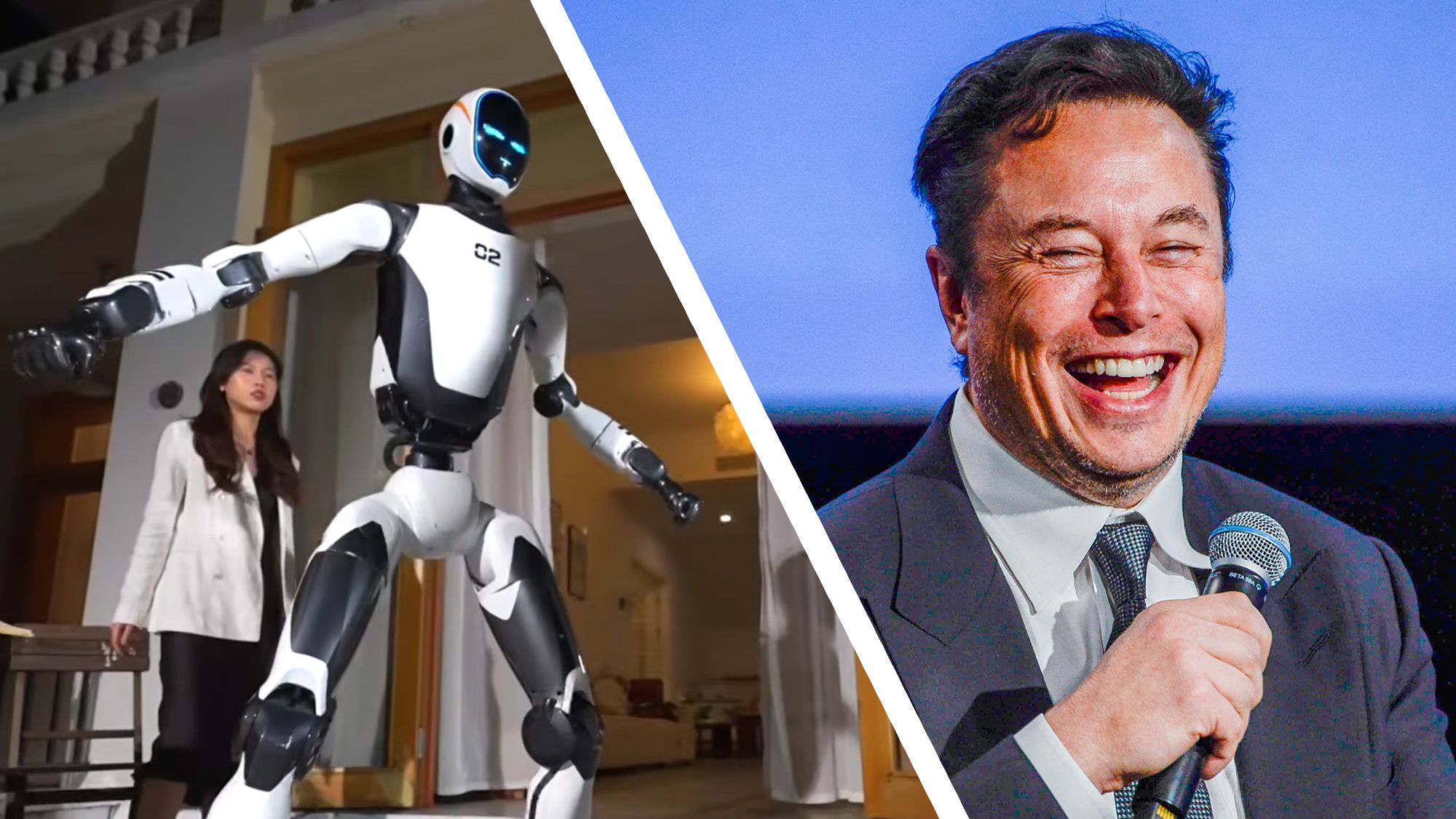
Tesla has officially started producing its Optimus humanoid robots at the Fremont factory, targeting a rate of 1,000 units per week by the end of 2026. Elon Musk stated that Tesla may need 10,000 to 20,000 Optimus robots specifically to generate the training data required to improve the AI, highlighting the industry's reliance on real-world data flywheels. Customer deliveries are now targeted for late 2027, as Musk cites ongoing challenges with hand durability and AI autonomy as primary hurdles.
DEEP Robotics Unveils Five Research Advances in Embodied AI
On October 24, 2026, DEEP Robotics announced five new research breakthroughs spanning world models, vision-language-action (VLA) models, reinforcement learning, predictive memory, and real-world robot benchmarks. These advances aim to bridge the gap between simulation and real-world execution, a critical pain point in current VLA deployment where lighting and camera pose changes can degrade success rates by 30–50%. The release underscores the growing emphasis on predictive memory and world models to enhance generalization in robot foundation models.
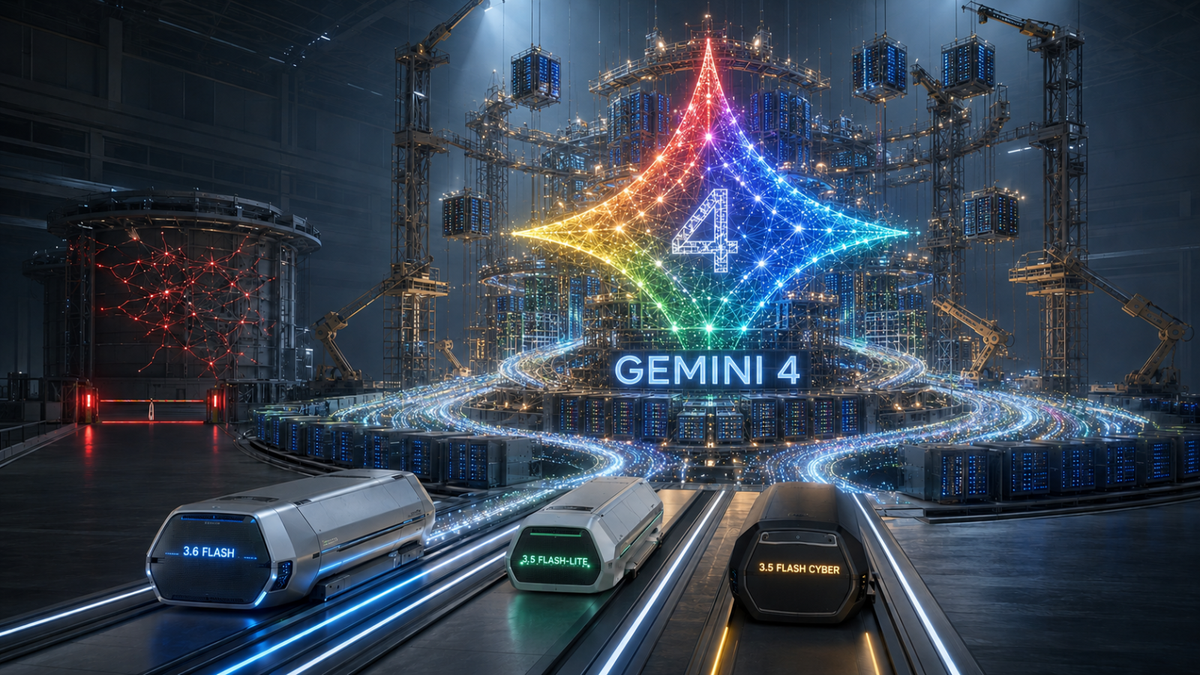
Google’s Gemini 4 Argon Generates Robot Training Code from Video
Google demonstrated "Gemini 4 Argon," a new AI model capable of generating simulation code for robot training directly from human video demonstrations. In a live demo, the Apptronik Apollo humanoid robot successfully completed seven consecutive cornhole throws after training on code generated from a simple video of a human playing the game. This approach significantly reduces the manual effort required for sim-to-real transfer, a key bottleneck in scaling robot policies.
Unitree and DeepSeek Collaborate on "Self-Evolving" Physical AI
Unitree CEO Wang Xingxing announced a strategic partnership with DeepSeek to develop "self-evolving" physical AI systems, aiming for a "ChatGPT moment" for robotics within 1–3 years. The collaboration involves leveraging DeepSeek’s large language models to enhance Unitree’s robot control and planning capabilities. Wang emphasized that current physical AI is on the verge of being "penetrated" by advances in general-purpose models, signaling a shift from task-specific training to generalist foundation models.
Local view
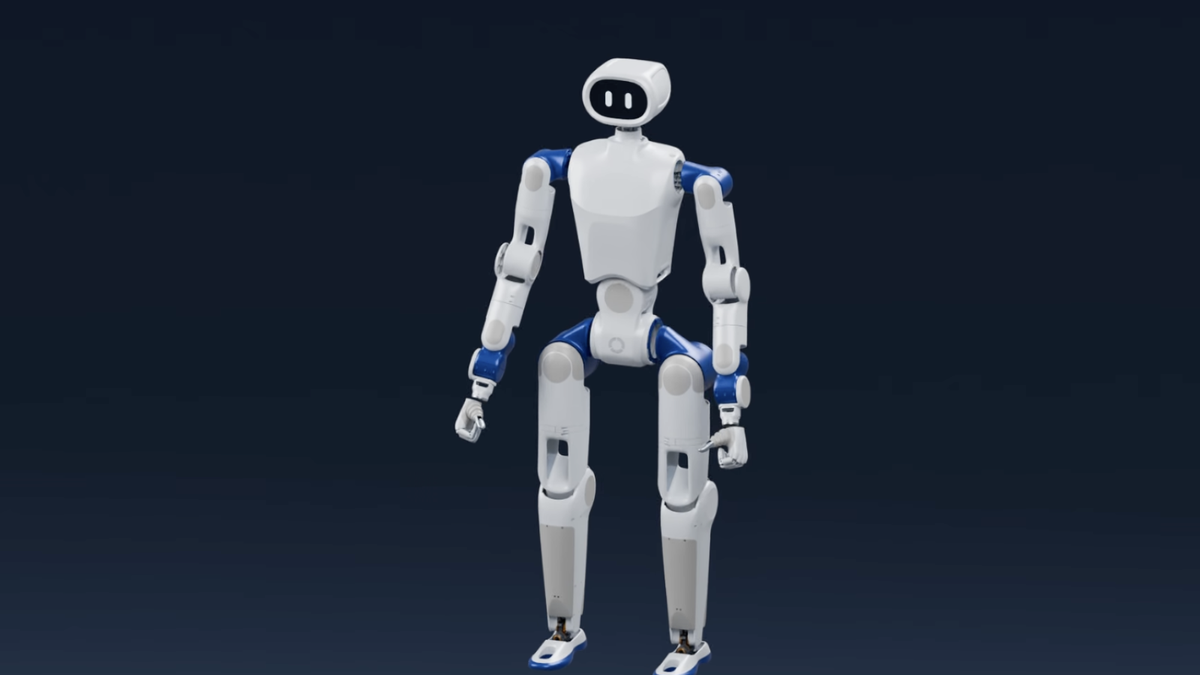
In China, the focus is on industrial-scale deployment and open-source hardware. RoboParty, a Shanghai-based startup, made headlines by open-sourcing the mechanical design and 14 custom PCB manufacturing files for its "RP1" humanoid robot on GitHub, aiming to lower the barrier for embodied AI research. Meanwhile, the 2026 World Physical AI Conference in Hangzhou highlighted the urgency of the sector, with leaders like Wang Xingxing warning against wasting time as the "ChatGPT moment" for robotics approaches.
Context & numbers
- Humanoid Shipments: Global humanoid robot shipments surged 272% year-over-year, driven by increased production from Tesla, Unitree, and Figure AI.
- Sim-to-Real Gap: Recent studies indicate that changes in lighting and camera poses can cause model success rates to degrade by 30–50% when transferring from simulation to real-world environments.
- Data Volume: The Open X-Embodiment dataset, a key resource for VLA models, contains approximately 2.4 million trajectories from 22 different robot embodiments.
On the radar
- OpenAI Humanoid Demo: OpenAI has confirmed a humanoid robot demonstration is scheduled for 2027, positioning itself as a direct competitor to companies it previously funded, such as Figure AI and 1X Technologies.
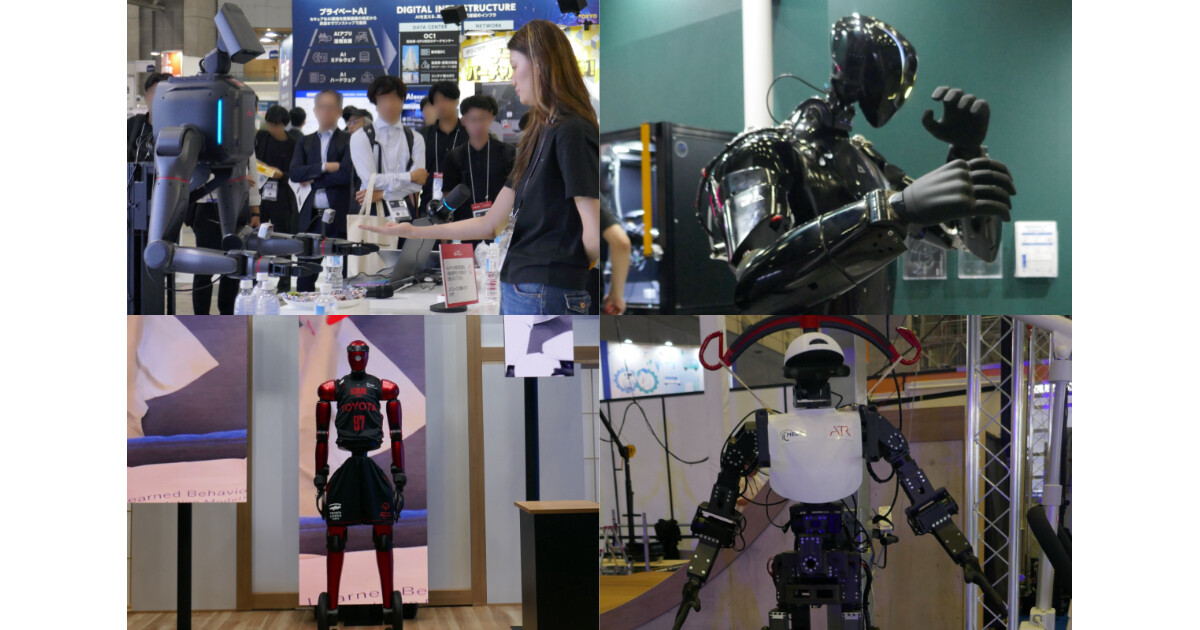
- CEATEC 2026 & Japan Mobility Show: Japanese and Chinese humanoid robots competed for attention in major demos at these concurrent events in Makuhari, signaling a race for dominance in the Asian market.
- Tesla AI5 Upgrade: Tesla plans to introduce an AI5-powered upgrade for Optimus in April 2027, which is expected to significantly enhance onboard processing capabilities.
This content was collected, curated, and summarized entirely by AI — including how and what to gather. It may contain inaccuracies. Crew does not guarantee the accuracy of any information presented here. Always verify facts on your own before acting on them. Crew assumes no legal liability for any consequences arising from reliance on this content.
Powered by
