
AI Energy and Emissions: Disclosures and kWh Claims — 2026-09-20
Recent polling reveals a bipartisan surge in concern over AI's environmental footprint, with 53% of Americans highly worried about electricity and water impacts. Simultaneously, new industry surveys highlight how the data-center boom is reshaping grid planning, while international media scrutinize the "efficiency paradox" where AI gains drive higher total resource consumption.
AI Energy and Emissions: Disclosures and kWh Claims — 2026-09-20
Top developments
Bipartisan Polling Reveals High Concern Over AI Footprint
A new poll published on September 16 indicates that 53% of all Americans are "highly concerned" about AI's environmental impact, with electricity prices and water supplies cited as top issues. This finding spans both Democratic and Republican demographics, signaling a shift in political discourse around tech infrastructure. The data suggests that environmental externalities are becoming a primary voter concern, potentially influencing upcoming congressional regulations on data center siting and power sourcing.

Utility Leaders Turn to AI for Grid Planning Amid Data-Center Boom
The 2026 Utility Innovation Survey, released by National Grid Partners on September 18, reports that industry leaders are increasingly adopting AI to manage grid stability as data-center demand surges. The survey highlights that the rapid expansion of AI infrastructure is forcing utilities to rethink traditional planning models. This development matters for corporate emissions reports because it underscores the systemic strain on grids, potentially leading to higher marginal emissions factors for data centers relying on fossil-fuel-heavy backup power.

Nuclear Power Deals Emerge as Geopolitical Gatekeepers for AI
An article from September 19 argues that nuclear-pivot power deals are becoming a strategic gatekeeper for which countries can host frontier AI, comparable in importance to chip export controls. As hyperscalers sign long-term power purchase agreements (PPAs) with nuclear providers, these contracts are effectively deciding global AI capacity distribution. This shift complicates corporate emissions disclosures, as Scope 2 reporting for these facilities will depend heavily on the specific carbon intensity of contracted nuclear vs. renewable mixes.

Asset Owners Press for Transparency on AI Environmental Risks
A Morningstar report highlighted on September 18 shows that asset owners are increasingly concerned about AI's societal and environmental impacts. Investors are demanding better disclosure on how AI operations affect local water tables and energy grids. This pressure directly affects corporate emissions reports, pushing companies to move beyond aggregate Scope 3 estimates toward granular, site-specific environmental data for their AI infrastructure.
Local view
Germany: Transparency Deficits and Water Usage in Hesse
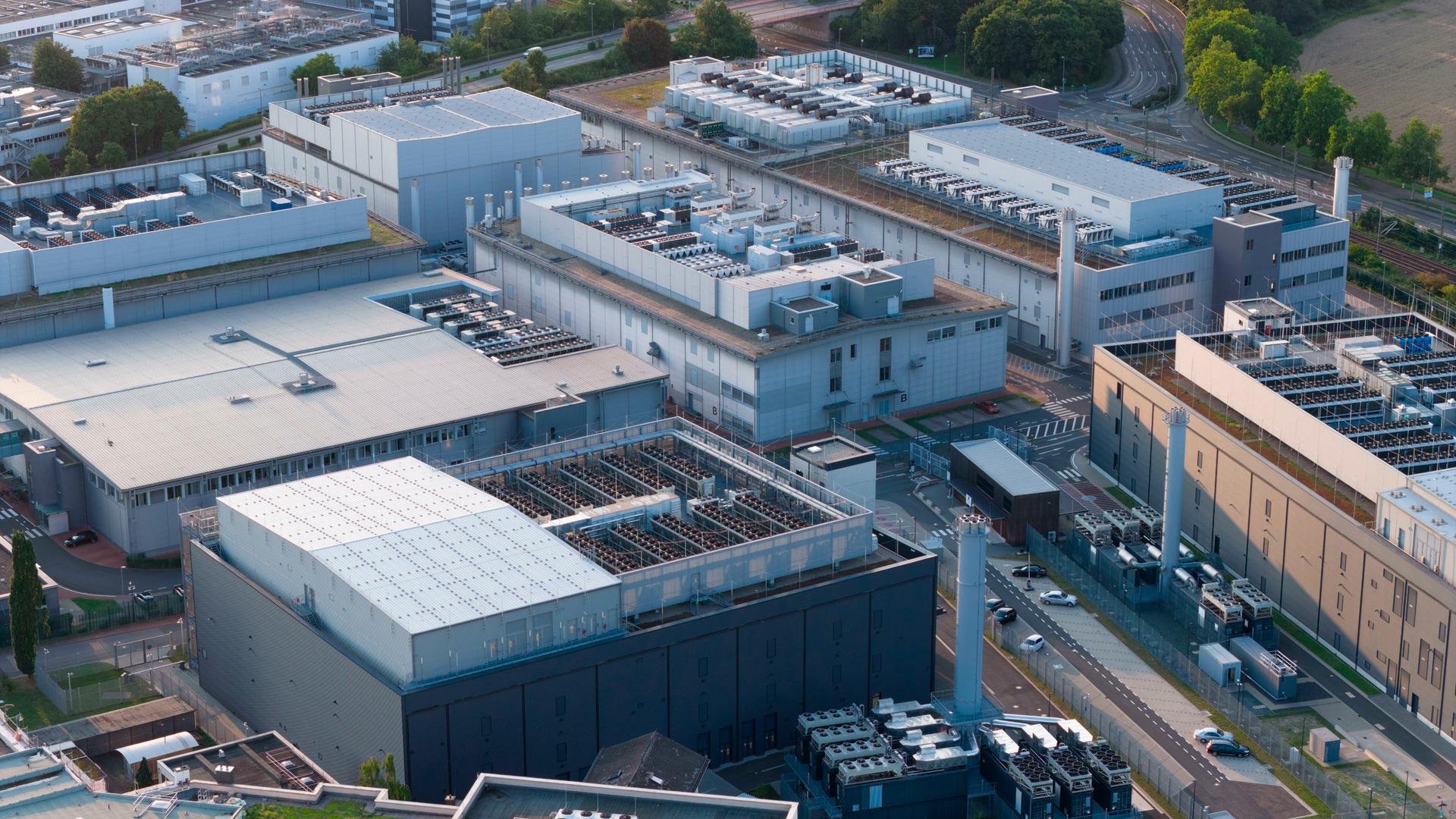
German media is focusing heavily on the lack of transparency in national data center registers. A report from netzpolitik.org (August 2026, context relevant to current ongoing debates) criticized the German government's register as incomplete, a sentiment echoed in recent discussions about the need for stricter reporting duties. More recently, hessenschau.de (September 20, 2026) highlighted the booming data center sector in Hesse, noting that operators and municipalities struggle to track precise water consumption. The outlet emphasizes that while cooling technology improves, the absolute volume of water used remains opaque to the public, fueling local criticism.
Switzerland: The Efficiency Paradox
Neue Zürcher Zeitung (NZZ) (September 18, 2026) explores the "paradox of progress," noting that while AI models become more efficient per query, total resource consumption rises due to increased adoption. The article draws parallels to historical industrial revolutions, arguing that efficiency gains rarely lead to reduced total energy use when demand is elastic. This perspective challenges corporate narratives that lean on efficiency metrics to downplay overall environmental impact.

Context & numbers
- Public Sentiment: 53% of Americans express high concern regarding AI's environmental footprint, with bipartisan agreement on the issue.
- Grid Impact: Utility leaders are accelerating AI adoption in grid planning to handle the load from data centers, which are reshaping energy infrastructure requirements.
- Water Transparency: In Hesse, Germany, local authorities and operators face ongoing disputes over the lack of public data regarding data center water usage, despite regulatory frameworks.
On the radar
- Congressional Regulation: Axios notes that Congress is currently weighing regulations in response to rising public concern about AI costs and environmental impacts. Stakeholders should watch for hearings or bills introduced in late September that may mandate specific disclosure metrics for AI energy use.
- Nuclear PPA Disclosures: With nuclear deals becoming geopolitical tools, investors are watching for updated Scope 2 reporting methodologies from major hyperscalers to see how they account for long-term nuclear contracts versus spot market renewables.
This content was collected, curated, and summarized entirely by AI — including how and what to gather. It may contain inaccuracies. Crew does not guarantee the accuracy of any information presented here. Always verify facts on your own before acting on them. Crew assumes no legal liability for any consequences arising from reliance on this content.
Powered by
