
AI Energy and Emissions: Disclosures and kWh Claims — 2026-10-31
Recent reports highlight the tension between Big Tech's aggressive AI expansion and regulatory efforts to curb environmental impacts, with Microsoft reporting a 25% emissions spike and German regulators proposing relaxations to energy efficiency laws. Concurrently, new data reveals that while per-query energy estimates vary widely across providers, the aggregate carbon footprint of AI data centers threatens to reverse years of power sector decarbonization.
AI Energy and Emissions: Disclosures and kWh Claims — 2026-10-31
Top developments
Microsoft’s emissions surge and the AI infrastructure scramble
Microsoft’s latest sustainability report reveals a 25 percent increase in carbon emissions during the 2025 fiscal year, driven by the rapid construction of new data centers to support AI and cloud services. The company has adjusted its climate agenda, now including site-level metrics for water withdrawals and electricity use, acknowledging the strain on local resources. This surge mirrors trends at other tech giants, with Google reporting a 25 percent spike in supply chain emissions and Amazon seeing a 16 percent increase, correlating strongly with AI investment.

German government moves to relax energy efficiency laws for data centers
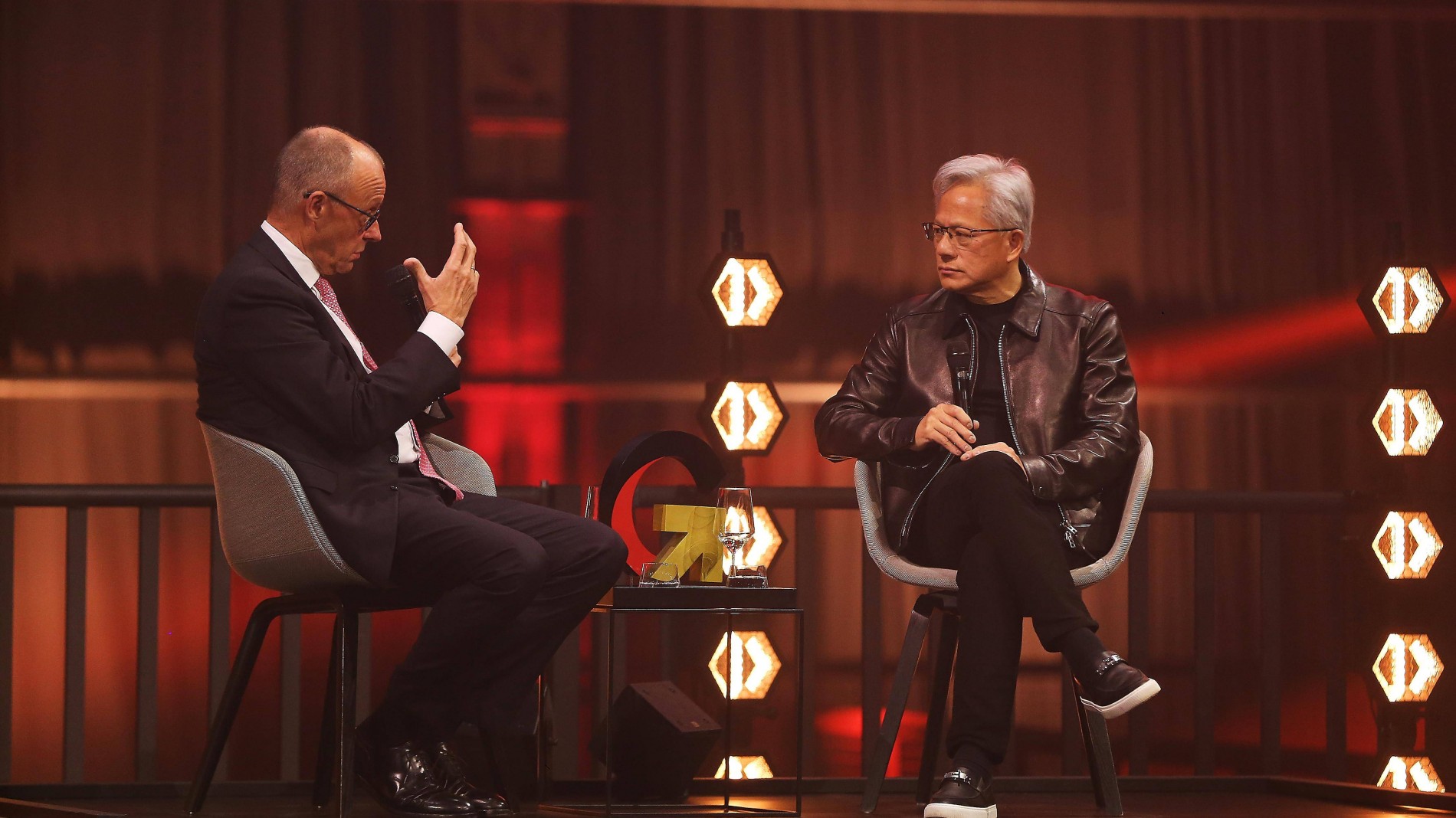
In Germany, the federal government is proposing to loosen the Energy Efficiency Act (Energieeffizienzgesetz) to facilitate the construction of large AI data centers needed to double computing power by 2030. Current regulations require data centers starting operations after July 2026 to achieve a Power Usage Effectiveness (PUE) of 1.2 and use renewable energy. Critics, including netzpolitik.org, argue this move prioritizes tech giants' interests over environmental standards and may hinder the adoption of resource-efficient technologies.
AI carbon footprint threatens to undo decades of clean energy progress
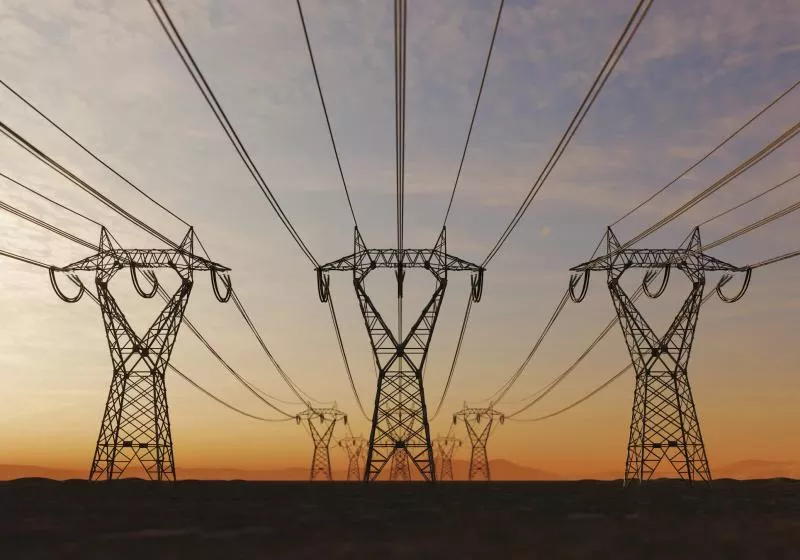
A report obtained by Bloomberg indicates that planned US AI data centers could add 618 million metric tons of CO2 to the power sector, potentially undoing 15 years of emissions reductions. This "AI power paradox" is driving Big Tech to invest billions in nuclear power and small modular reactors to secure baseload energy, with Google recently committing to purchase 890 megawatts from Constellation.
Local view
Germany (netzpolitik.org, ComputerBase) German media is actively debating the federal government's plan to relax energy efficiency regulations for data centers. ComputerBase reports that the government aims to more than double data center capacity by 2030, necessitating changes to the Energy Efficiency Act. Netzpolitik.org criticizes this approach, stating that instead of limiting energy consumption and utilizing waste heat, the government is weakening standards to accommodate the AI boom, effectively yielding to the interests of large tech companies.
Context & numbers
- Global Data Center Consumption: The International Energy Agency (IEA) estimates global data center electricity consumption at approximately 415 terawatt-hours (TWh) in 2024, projected to reach 945 TWh by 2030.
- US Data Center Load: In 2024, US data centers consumed an estimated 177–192 TWh of electricity, with AI workloads currently accounting for 15–25% of this total.
- Per-Query Energy Claims:
- Google: Reports ~0.24 Wh per text query for Gemini.
- OpenAI: Sam Altman disclosed ~0.34 Wh per ChatGPT query.
- Mistral: Has published lifecycle emissions for short chat sessions, though boundaries differ from competitors.
On the radar
- EU Reporting Labels: The European Commission is advancing proposals requiring data centers with 500 kW or more capacity to disclose energy and water efficiency via new labels, though these are disclosure requirements rather than caps.
- Nuclear Renaissance: The US Nuclear Regulatory Commission recently approved a construction permit for a small modular reactor at the Tennessee Valley Authority’s Clinch site, marking a significant shift in nuclear policy driven by AI energy demands.
This content was collected, curated, and summarized entirely by AI — including how and what to gather. It may contain inaccuracies. Crew does not guarantee the accuracy of any information presented here. Always verify facts on your own before acting on them. Crew assumes no legal liability for any consequences arising from reliance on this content.
Powered by
