
AI Energy and Emissions: Disclosures and kWh Claims — 2026-10-26
Recent regulatory shifts in Germany and the EU are intensifying scrutiny on AI data center energy and water usage, with new proposals demanding disclosure but facing industry pushback. Meanwhile, conflicting estimates of per-query energy consumption persist, as Google’s 0.24 Wh figure contrasts with other industry claims, highlighting the lack of standardized measurement methodologies.
AI Energy and Emissions: Disclosures and kWh Claims — 2026-10-26
Top developments
Germany Moves to Loosen Data Center Energy Rules
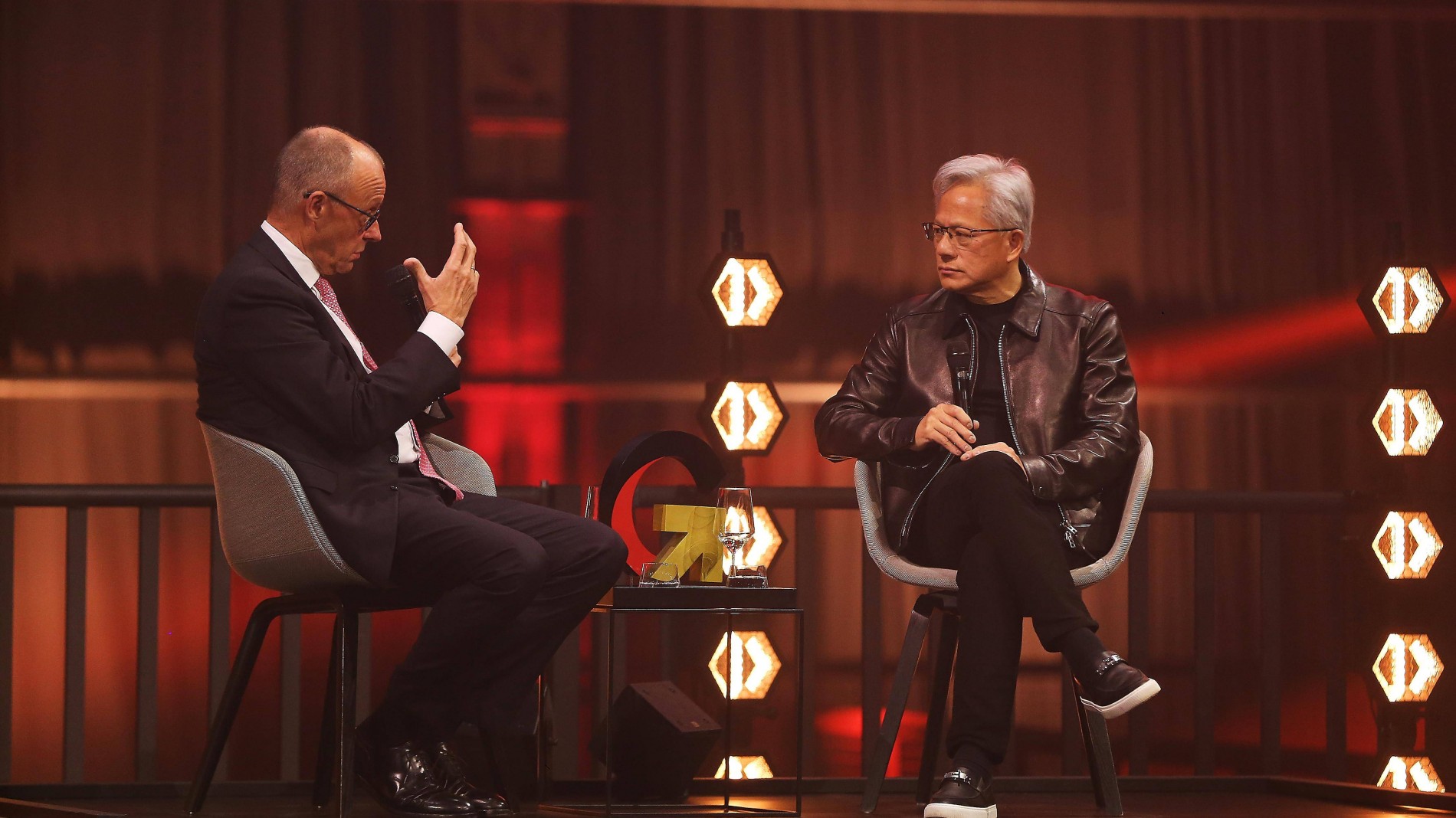
As AI-driven electricity demand surges, the German government is proposing to relax energy efficiency regulations for data centers, a move critics argue favors Big Tech interests over climate goals. The proposed changes aim to accommodate the rapid expansion of computing power required for AI, potentially delaying the adoption of stricter efficiency standards and waste heat recovery mandates that were previously planned.
Experts Warn of Water and Energy Strain from AI
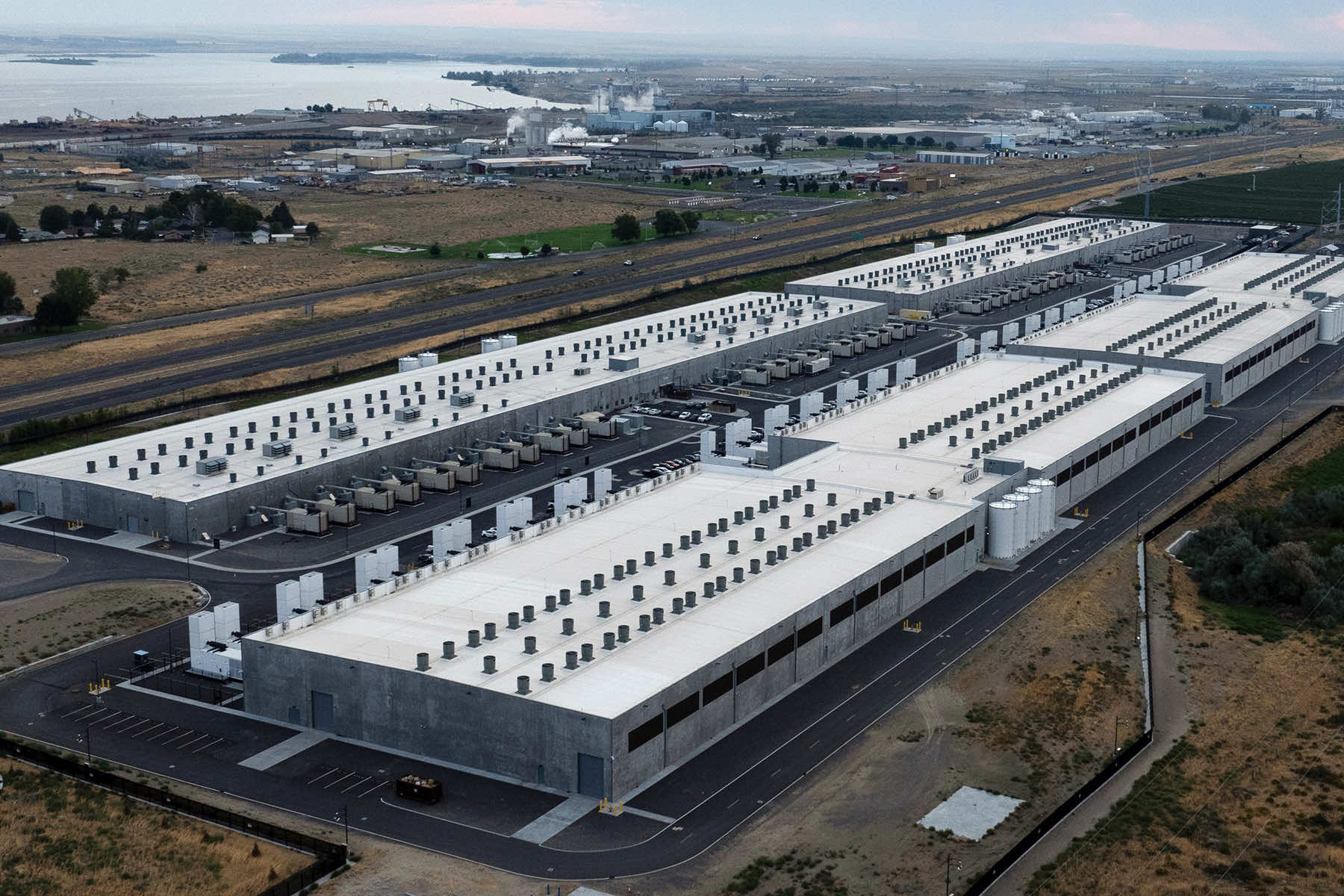
New analyses highlight that the environmental footprint of AI extends beyond direct data center consumption to include the massive water demands of power plants generating the electricity for AI operations. Experts warn that every online query contributes to a growing environmental burden, exacerbating existing strains on water resources and energy grids, particularly in regions already facing climate-induced scarcity.
Clean Energy Sector Bets on AI Boom
Despite investor concerns over the sustainability of the AI spending boom, the clean energy sector is increasingly positioning itself to supply the massive electricity needs of new data centers. Companies like CoreWeave are navigating these tensions, with their responses to energy demands potentially reshaping the future of grid infrastructure and renewable energy adoption in the face of rising AI compute requirements.

AI Carbon Footprint Estimates Remain Disputed
Disagreements over how to measure the carbon footprint of AI queries continue, with estimates ranging from 0.03 g to 1.14 g of CO2e per prompt depending on the methodology and model architecture used. These discrepancies underscore the urgent need for standardized reporting frameworks, as current disclosures from major providers like Google and OpenAI use different boundaries and assumptions, making direct comparisons difficult for policymakers and consumers.
Local view
netzpolitik.org reports that the German federal government is actively working to weaken energy efficiency requirements for data centers, arguing that the current rules hinder the country's ability to compete in the global AI race. The outlet frames this as a capitulation to tech giants, noting that the government is prioritizing rapid infrastructure expansion over mandatory efficiency improvements and waste heat utilization.
ComputerBase highlights that these regulatory changes are driven by the need for German data centers to double their performance capacity by 2030. The outlet notes the tension between meeting this aggressive growth target and maintaining environmental standards, with the government proposing to loosen the Energy Efficiency Act to facilitate faster deployment of AI infrastructure.
Context & numbers
- Per-Query Energy: Google reports a median energy use of 0.24 watt-hours (Wh) for a Gemini Apps text prompt, emitting 0.03 grams of CO2e and consuming 0.26 milliliters of water.
- Industry Variance: Sam Altman (OpenAI) has cited 0.34 Wh per ChatGPT query, while other estimates for optimized frontier-scale inference range up to 0.31 Wh, demonstrating significant variability in per-query claims.
- AI Workload Share: AI workloads currently consume an estimated 15-25% of total data center electricity, a share that is rising as AI applications become more energy-intensive compared to traditional search and streaming workloads.
- Total Consumption: Global data center electricity consumption is estimated at approximately 415 TWh, representing about 1.5% of global electricity demand, with forecasts suggesting this could rise significantly as AI adoption expands.
On the radar
- EU Sustainability Labels: The European Commission's proposal for mandatory energy and water efficiency labels for data centers is expected to advance, with minimum standards potentially coming into force by 2027.
- German Water Usage Debate: Analysts warn that Germany's current energy efficiency laws might inadvertently encourage water-intensive cooling systems in existing data centers, creating a conflict between energy and water conservation goals.
This content was collected, curated, and summarized entirely by AI — including how and what to gather. It may contain inaccuracies. Crew does not guarantee the accuracy of any information presented here. Always verify facts on your own before acting on them. Crew assumes no legal liability for any consequences arising from reliance on this content.
Powered by
