
AI Energy and Emissions: Disclosures and kWh Claims — 2026-10-09
Recent developments highlight a sharp divergence between corporate emissions disclosures and grid realities, with Microsoft and Google reporting significant carbon increases driven by AI infrastructure. Simultaneously, new academic frameworks and regulatory pressures from the EU and UN are forcing greater transparency in per-query energy metrics and water usage, challenging the "invisible" footprint of AI services.
AI Energy and Emissions: Disclosures and kWh Claims — 2026-10-09
Top developments
Big Tech Carbon Footprints Surge Amid AI Expansion
In July 2026, major tech companies disclosed significant increases in greenhouse gas emissions directly correlated with AI data center expansion. Microsoft reported a 25% spike in carbon emissions, while Google saw an 18% rise in overall emissions and a 25% increase in supply chain emissions. Amazon reported a 16% increase. These figures, revealed in sustainability reports, indicate that despite renewable energy purchases, the sheer scale of AI infrastructure is driving absolute emissions higher, with data centers now rivaling the energy consumption of entire nations.

Google Secures $1B+ Nuclear Deal for AI Power
Google has entered a significant nuclear power agreement with Constellation Energy to secure electricity for its expanding AI data centers. The deal, valued at over $1 billion, aims to add 890MW of power capacity over a 20-year term. This move reflects the broader industry trend of tech giants locking in long-term, baseload clean energy contracts to meet the relentless power demands of generative AI models, which traditional renewable grids struggle to supply consistently.

New Academic Frameworks Standardize Per-Query Energy Claims
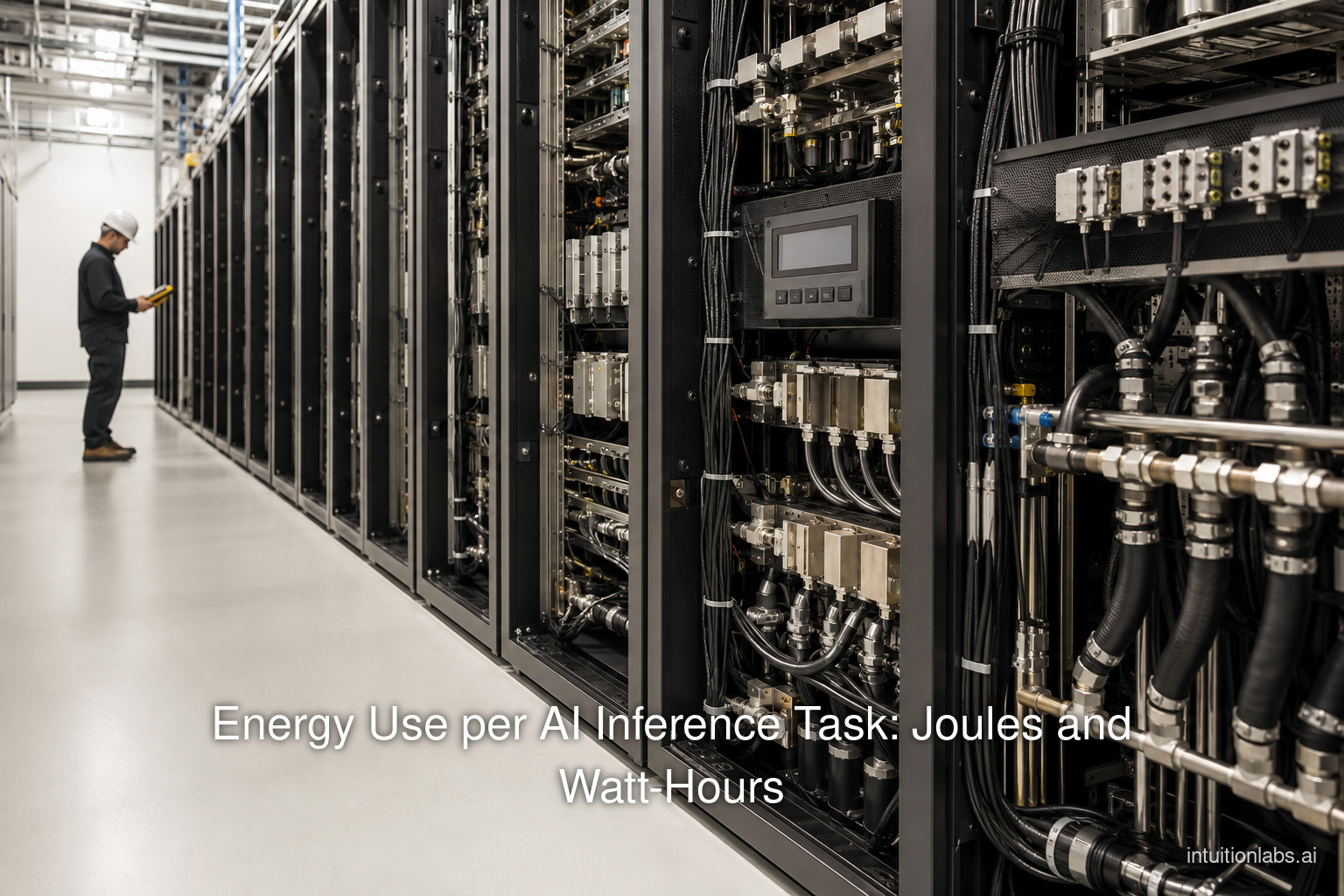
A recent study published by IntuitionLabs, citing Microsoft Research work in the journal Joule, provides a bottom-up framework for estimating energy use per AI inference task. The median energy use for a typical chatbot query is estimated at 0.31 watt-hours (Wh), rising to approximately 3.91 Wh for complex reasoning tasks. This standardization helps resolve disputes over disparate claims from vendors like Google (0.24 Wh/query) and OpenAI (0.34 Wh/query), offering a more consistent metric for corporate emissions accounting.
US Power Demand Hits Record Highs Due to AI
The US Energy Information Administration (EIA) projects that US power usage will beat record highs in both 2026 and 2027, driven largely by the surge in AI data center operations. This forecast underscores the immediate strain on national grids and validates earlier warnings from the IEA that global data center electricity demand could more than double by 2030, reaching nearly 945 TWh.
Local view
German Media Criticize Water-Energy Trade-offs in Data Centers
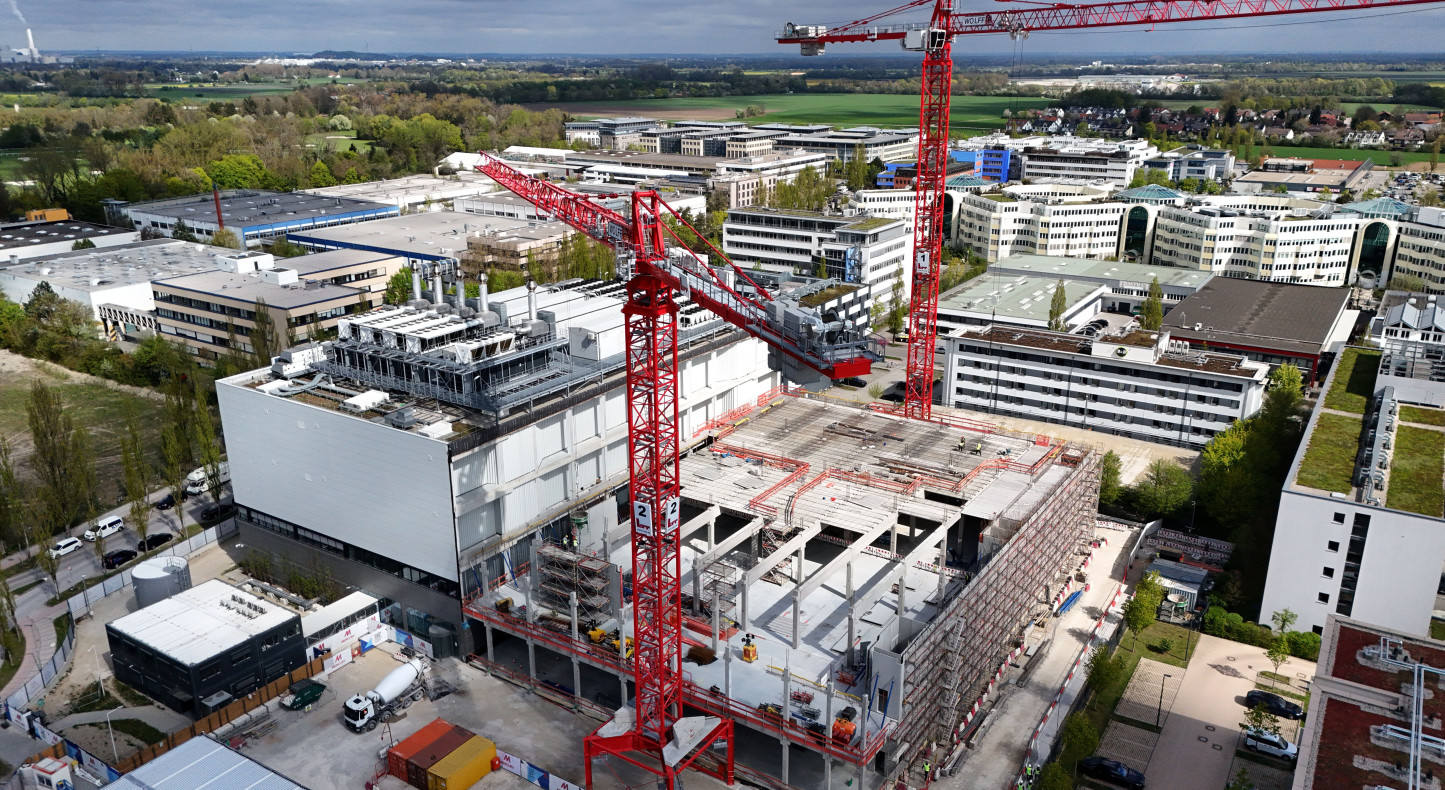
German investigative outlet CORRECTIV highlighted that many new data centers in Germany are being built in regions facing summer water scarcity, with their waste heat often going unused. The report criticizes the federal government's plan to relax environmental standards for these facilities, arguing that current efficiency laws might inadvertently encourage water-intensive cooling methods if not carefully regulated.
Context & numbers
- Per-Query Energy Estimates: Current benchmarks place simple text queries between 0.24 Wh (Google Gemini) and 0.34 Wh (OpenAI ChatGPT), with complex reasoning tasks exceeding 3.9 Wh.
- Global Data Center Demand: The IEA estimates current data center consumption at ~415 TWh, projected to reach 945 TWh by 2030, surpassing Japan's total consumption.
- EU Regulatory Threshold: The European Commission has proposed rules requiring data centers with a capacity of 500 kW or more to disclose energy and water efficiency metrics, aiming to prevent greenwashing through standardized labels.
On the radar
- EU Sustainability Label Implementation: Stakeholders are awaiting further details on the operational guidelines for the EU's new sustainability seal for data centers, which sets minimum standards effective from 2027.
- Wall Street Sentiment Shift: Analysts are increasingly expressing frustration that AI's carbon footprint is overshadowing broader climate investment opportunities, potentially skewing ESG ratings and capital allocation.
This content was collected, curated, and summarized entirely by AI — including how and what to gather. It may contain inaccuracies. Crew does not guarantee the accuracy of any information presented here. Always verify facts on your own before acting on them. Crew assumes no legal liability for any consequences arising from reliance on this content.
Powered by
