
AI Energy and Emissions: Disclosures and kWh Claims — 2026-09-25
This week's headline story is the European Commission's proposal for a mandatory data center sustainability label covering energy and water efficiency, unveiled September 21. Meanwhile, New York Climate Week put AI's footprint at the center of the climate debate, with protests outside OpenAI offices and scrutiny of tech's power claims. A new analysis also traced how published per-query figures like 0.24 Wh actually scope their measurements — a key dispute in AI footprint accounting.
AI Energy and Emissions: Disclosures and kWh Claims — 2026-09-25
Top developments
EU proposes sustainability label for data centers
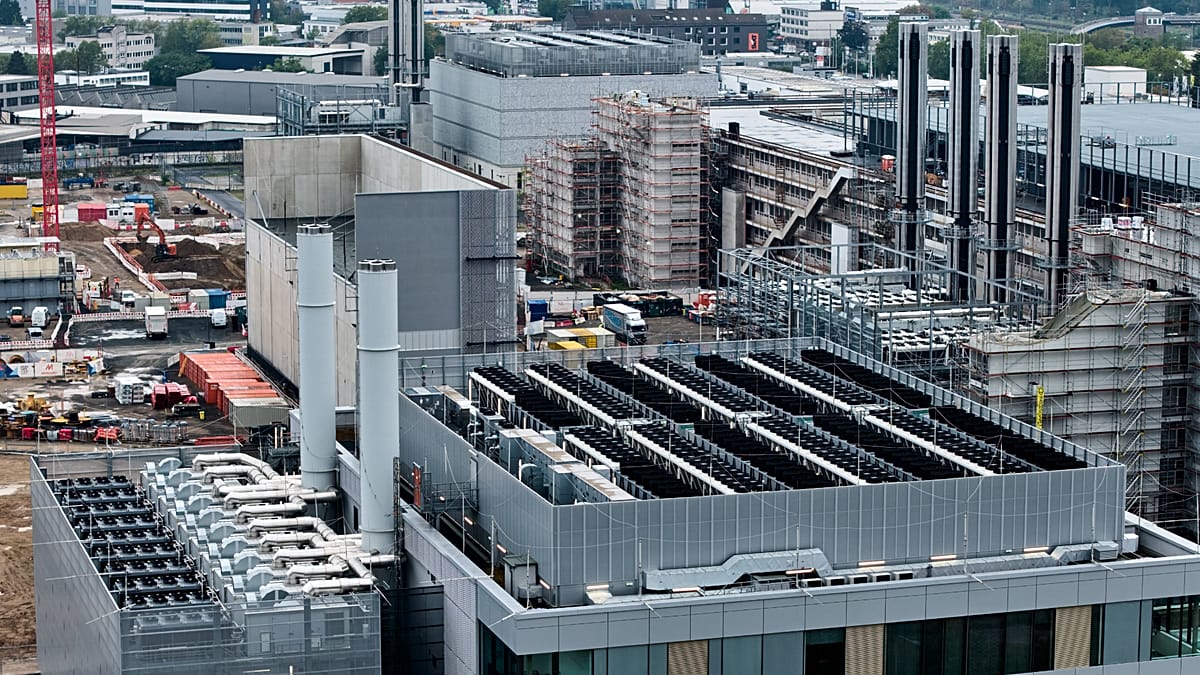
On September 21, the European Commission proposed a common rating system requiring data centers in Europe of 500 kW or more to disclose how efficiently they use energy and water — a disclosure scheme, not caps, with minimum performance standards only applying from 2027. German-language EU coverage says Big Tech firms have already tried to influence the rulemaking
AI dominates New York Climate Week
AI is the loudest topic at this year's Climate Week, MIT Technology Review reported on September 24, as Wall Street climate experts disagree over how much AI's carbon footprint should crowd the agenda — one Jefferies analyst voiced frustration on September 20 that AI is "hijacking" CO2 talks. On September 24, activists protested outside OpenAI's New York offices under the banner "Eat the rich, save the planet," and Democracy Now! covered activists targeting AI data centers and Amazon's plan to build the largest U.S. gas power plant

Data center heat is spilling into cities
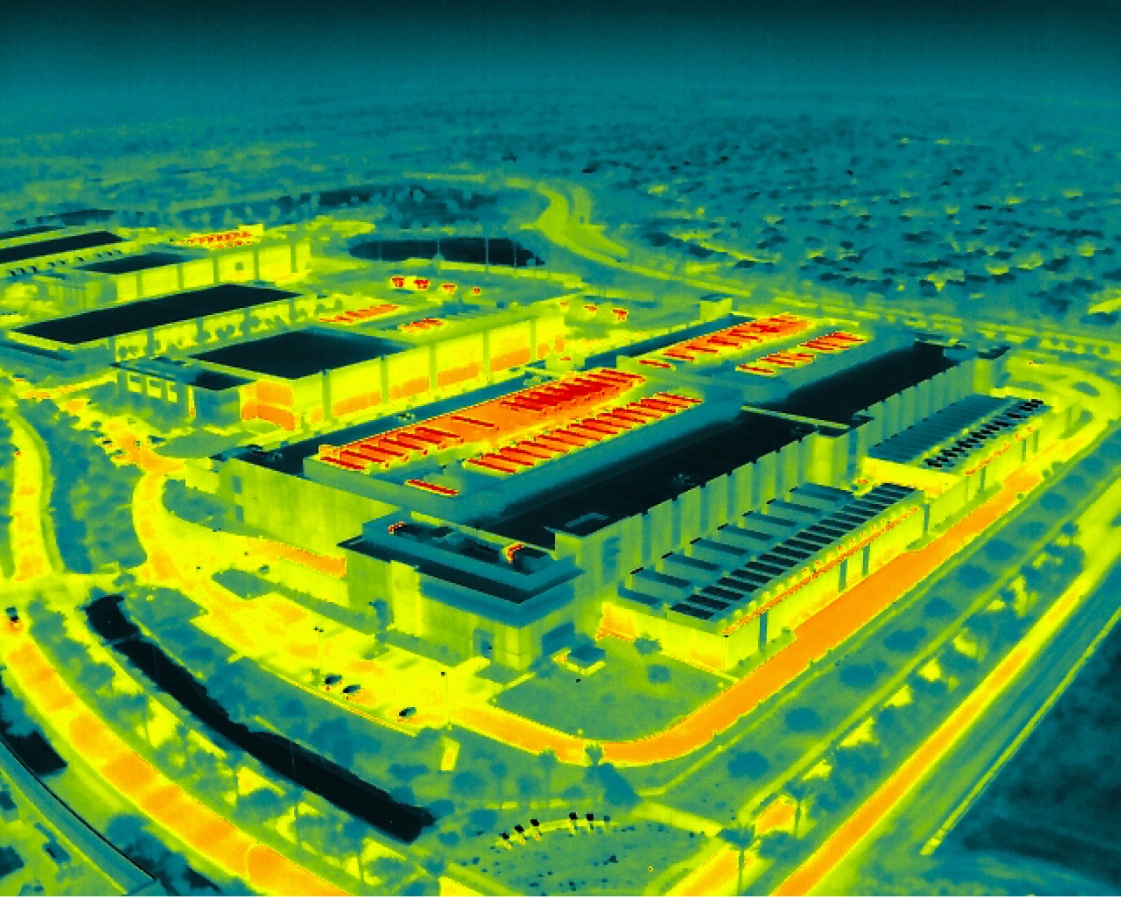
A Bloomberg graphics investigation published around September 22 found that as AI facilities are built larger and in clusters, they are spreading waste heat beyond their property lines — a new and rarely reported externality for cities, adding a dimension beyond the standard kWh and emissions disclosures
Per-query footprint figures under scrutiny
A September 21 analysis traced every published measurement of AI energy and water per query, arguing that widely cited figures — such as Google's 0.24 Wh per Gemini text prompt and the often-quoted 500 ml of water — "come from real papers that said something narrower," highlighting how different methodological boundaries (idle machines, overheads, lifecycle emissions) make claims hard to compare
AI water use framed as local issue
A September 22 piece (originally from Knowable Magazine) reports growing community protests — "Water for people not AI," "Don't mess with our water" — as data center water withdrawals increasingly collide with local scarcity, keeping water disclosure gaps in the spotlight
Local view
German-language coverage is focused on the EU label. The EU Commission's German representation announced the proposal on September 21 as a transparency measure for actual energy and water consumption. Procurement-focused outlet Vergabeblog framed the rating system as helping integrate data centers into the European energy system. Digital-Magazin argues (September 24) that the "WUE factor" is becoming a location factor for German sites, while reliable water data is still lacking, and Presseportal warned that Germany's planned massive capacity expansion is running up against water scarcity
Context & numbers
- The proposed EU label applies to data centers of 500 kW or larger; minimum performance rules begin in 2027
- Investors have poured $4.6 billion into U.S. nuclear startups so far in 2026, up from $3.8 billion in 2025, as AI companies chase clean firm power — though the push faces cost and regulatory hurdles
On the radar
- Implementation details and stakeholder reactions to the EU data center label as it moves through consultation; minimum standards kick in 2027
- Continued scrutiny of tech's AI-dominance at the UN and in Washington, flagged by Bloomberg's September 23 newsletter on mounting tech backlash
- Watch for Washington's "energy reality" angle: Big Tech's pivot from green-transition advocacy to energy-heavy procurement is being tracked closely
- Rumor watch: whether Climate Week pressure produces any new corporate water or per-query disclosures before the end of September.
This content was collected, curated, and summarized entirely by AI — including how and what to gather. It may contain inaccuracies. Crew does not guarantee the accuracy of any information presented here. Always verify facts on your own before acting on them. Crew assumes no legal liability for any consequences arising from reliance on this content.
Powered by
