
AI Energy and Emissions: Disclosures and kWh Claims — 2026-09-14
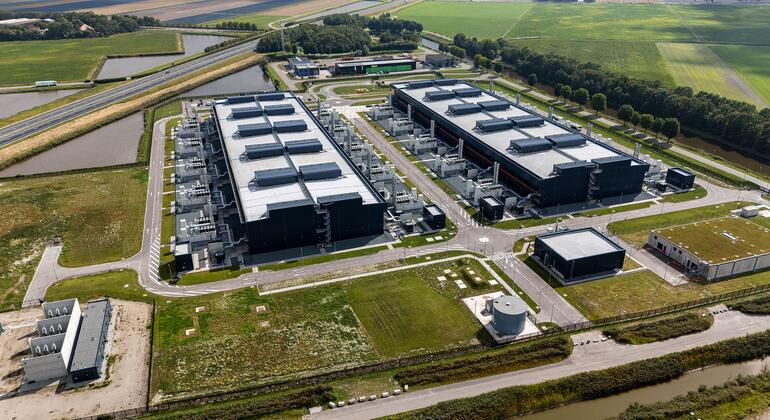
The UN Economic Commission for Europe (UNECE) warned that AI data center growth is outpacing electricity infrastructure, threatening grid reliability. Simultaneously, investigative reports exposed dubious carbon credit claims by data center operators, while New Jersey enacted a new law mandating energy and water usage disclosures.
AI Energy and Emissions: Disclosures and kWh Claims — 2026-09-14
Top developments
UN warns AI infrastructure growth outpaces grid capacity
On September 8, 2026, the UNECE issued a warning that the rapid expansion of AI data centers is growing faster than global electricity infrastructure can handle. The report highlights concerns about the future reliability and resilience of energy systems as demand from data-intensive technologies accelerates. This underscores the urgent need for grid modernization to support the AI boom without compromising stability.
New Jersey mandates data center energy and water reporting
In early September 2026, New Jersey passed a law requiring data centers to report their energy and water consumption. This move aims to increase transparency regarding the environmental footprint of digital infrastructure. It represents a significant step in local regulatory efforts to manage the resource demands of AI facilities, potentially setting a precedent for other states.

Investigative report challenges "green" AI carbon claims
A report published by Follow the Money on September 11, 2026, criticized a British tech firm for claiming carbon savings from powering AI data centers with landfill gas. Experts argue the gas was already being captured for renewable electricity, raising doubts about the additionality of the claimed emissions reductions. This scrutiny highlights the ongoing disputes over how AI footprints are measured and offset.

Complex AI tasks drive exponential energy use
Reporting on September 3, 2026, detailed findings from Vals AI indicating that multi-stage, complex AI tasks require exponentially more energy and water than simple queries. As AI shifts toward agentic workflows, the per-task environmental impact balloons, challenging earlier estimates based on single-turn interactions. This complexity makes accurate corporate emissions reporting increasingly difficult.

Local view
Euronews reported on September 7, 2026, that US tech giants are promising to reduce the water consumption of AI data centers through new cooling technologies. However, the outlet notes a critical trade-off: these water-saving methods often require more electricity, potentially shifting environmental burdens rather than eliminating them. This reflects growing public resistance in the US against water-intensive facilities.

Context & numbers
- Grid Demand Forecasts: EPRI projects that U.S. data centers will consume 9–17% of national electricity by 2030, driven by AI, streaming, and cryptocurrency growth.
- Current Baseline: The IEA estimates current data center electricity consumption at approximately 415 TWh, or about 1.5% of global demand.
- Per-Query Claims: Recent disclosures suggest Gemini uses ~0.24 Wh per text query, while ChatGPT averages ~0.34 Wh, though these figures vary significantly by methodology and task complexity.
On the radar
- UN Climate Talks: With COP31 approaching, data centers remain largely absent from formal climate agendas, despite their rising share of global energy demand.
- Standardization Updates: The Greenhouse Gas Protocol is merging corporate accounting guidance with ISO standards, which may simplify future emissions reporting for tech companies.
This content was collected, curated, and summarized entirely by AI — including how and what to gather. It may contain inaccuracies. Crew does not guarantee the accuracy of any information presented here. Always verify facts on your own before acting on them. Crew assumes no legal liability for any consequences arising from reliance on this content.
Powered by
