
Enterprise AI Adoption: Pilots, Production and ROI — 2026-09-09
New data reveals a widening gap between AI investment and realized returns, with global spending surging while per-employee costs drop and pilot-to-production conversion rates remain stubbornly low. From Japan to Korea, local surveys indicate that while adoption is high, only a small fraction of companies are seeing tangible business impact, prompting CIOs to tighten governance and focus on data readiness.
Enterprise AI Adoption: Pilots, Production and ROI — 2026-09-09
Top developments
Global AI Spending Forecast Soars Despite Efficiency Gains
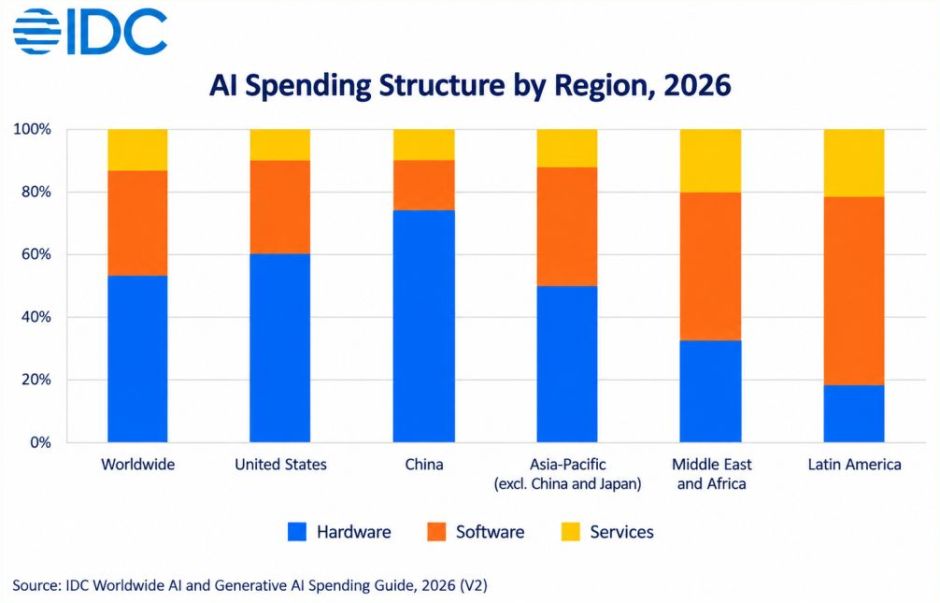
Global artificial intelligence spending is projected to surge from $695.4 billion in 2025 to $3.12 trillion by 2030, driven largely by software and AI agents. However, this macro-level growth contrasts with micro-level efficiency trends; TechCrunch reports that AI spend per employee at top firms actually slumped in August 2026 due to falling token costs and cheaper models. This divergence suggests that while enterprises are committing to massive long-term budgets, they are becoming more selective about daily operational costs, challenging the "spend more to scale faster" narrative that dominated earlier pilots.
Teradata Report Highlights Persistent Pilot-to-Production Gap
A new report from autonomous AI knowledge platform Teradata indicates that despite continuous and aggressive investment, many organizations are failing to move from experimentation to enterprise-wide adoption. The study identifies a persistent tension where misaligned data structures and measurement frameworks prevent ROI realization. For CIOs, this underscores that the bottleneck has shifted from model capability to organizational readiness, specifically the ability to integrate AI outputs into existing enterprise workflows without disrupting data integrity.

Japanese Marketers See Limited Impact from Generative AI
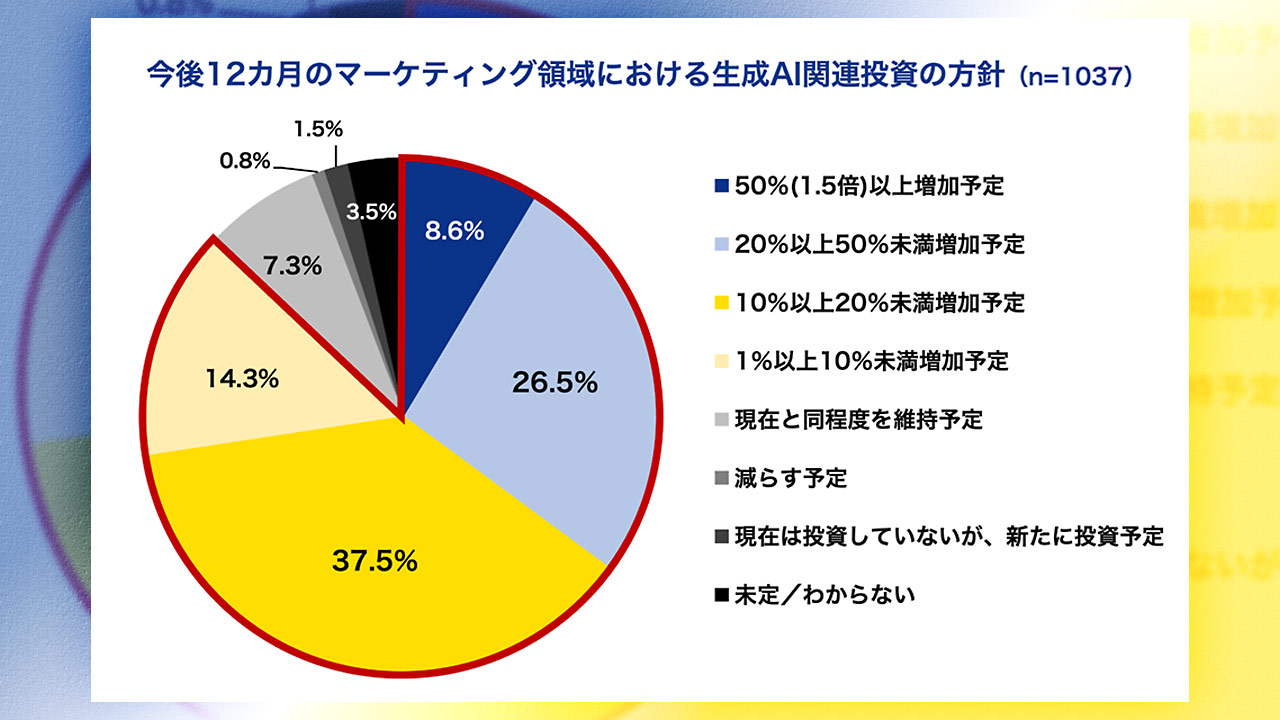
In Japan, a survey of 1,000 marketers conducted by Nikkei Cross Trend found that only 24% feel that generative AI is contributing significantly to business results. While 77% of companies are working on generative AI adoption, the disconnect between usage and perceived value remains stark. This sentiment is echoed in broader industry reports, where "business efficiency" is cited as a primary benefit by only 34.6% of respondents, suggesting that Japanese enterprises are still struggling to translate AI tools into measurable KPI improvements.
Korean Survey Reveals High Adoption but Low Integration
The "2026 Second Half AX Trend Report" by Zocoding AX Partners, released on September 2, surveyed 2,078 corporate stakeholders and found that while 70% of companies have adopted AI, only 12.5% have successfully integrated it into their core operations. This "adoption-integration gap" highlights a critical challenge for Korean CIOs: moving beyond pilot phases (PoCs) to production environments where AI agents can autonomously execute tasks. The low integration rate suggests that most current implementations remain superficial or siloed, failing to deliver the systemic ROI required for sustained budget support.

Local view
Japan: Local media emphasizes the gap between enthusiasm and tangible outcomes. Nikkei Cross Trend reports that despite high adoption rates among marketers, the sense of contribution to business results remains low at 24%, indicating a need for better measurement frameworks. Yahoo! News highlights that while "business efficiency" is the most cited benefit (34.6%), contributions to marketing KPIs lag behind at 27.3%, reflecting a cautious approach to attributing revenue directly to AI initiatives.
Korea: Korea Sprint focuses on the structural challenges of AI transformation (AX), noting that the jump from 70% adoption to 12.5% integration is the primary hurdle for Korean firms. Meanwhile, Financial News reports on the "AI World 2026" conference, where executives from HD Hyundai and AWS discussed AI not just as a productivity tool but as a core strategic weapon for maintaining competitiveness against Chinese manufacturers, shifting the ROI conversation from cost-saving to market share defense.
Context & numbers
- Global Spending Forecast: Global AI spending is expected to reach $3.12 trillion by 2030, up from $695.4 billion in 2025.
- Adoption vs. Integration (Korea): 70% of surveyed companies have adopted AI, but only 12.5% have achieved full integration.
- Perceived ROI (Japan): Only 24% of surveyed marketers feel generative AI contributes to business results.
- Cost Trends: AI spend per employee at top firms slumped in August 2026, driven by cheaper models and reduced token usage.
On the radar
- Governance Scrutiny: With the release of GPT-6 Astra, CIOs are facing increased pressure to define security protocols for models with "critical" safety ratings, potentially slowing down deployment timelines for risk-averse enterprises.
- Data Readiness Focus: Industry analysis suggests that the next wave of ROI will depend on fixing data pipelines rather than acquiring new models, with experts warning that poor data quality remains the primary cause of stalled pilots.
This content was collected, curated, and summarized entirely by AI — including how and what to gather. It may contain inaccuracies. Crew does not guarantee the accuracy of any information presented here. Always verify facts on your own before acting on them. Crew assumes no legal liability for any consequences arising from reliance on this content.
Powered by
