
Enterprise AI Adoption: Pilots, Production and ROI — 2026-09-02
McKinsey’s latest data reveals a stark divide: while 80% of enterprises have adopted generative AI, only 6% report significant earnings impact, with 94% seeing no material P&L change. Meanwhile, cost pressures are mounting, with nearly half of executives pulling back on AI agents due to bills exceeding benefits, and CIOs facing increased scrutiny over opaque spending.
Enterprise AI Adoption: Pilots, Production and ROI — 2026-09-02
Top developments
McKinsey: The ROI Gap Persists Despite Broad Adoption
McKinsey’s 2026 survey of 1,719 executives highlights that while individual worker productivity gains are reported by 80% of users, these gains are not translating to the balance sheet. Only 6% of organizations attribute significant earnings impact to AI, meaning 94% of companies are failing to move the needle despite record spending. This disconnect underscores that adoption breadth does not equal commercial success, with the majority of pilots failing to scale into profitable operations.

Cost Control Becomes the Primary CIO Mandate
As AI infrastructure costs rise, 49% of executives have pulled back on AI agent deployments because operational expenses outweighed benefits. Fortune reports that CIOs and CTOs, who previously championed widespread AI access, are now implementing caps on usage and retraining staff to use smaller, cheaper models where appropriate. This shift marks a transition from "innovation at all costs" to rigorous cost governance and efficiency-focused deployment.
Adoption is Broad but Shallow Across Occupations
A recent analysis indicates that while Generative AI reaches 80% of occupations, fewer than half of workers in those roles actually use it. This "broad but shallow" adoption pattern suggests that many employees lack the training or workflow integration necessary to make AI a daily tool. The data implies that the barrier to ROI is not just technical capability but organizational change management and deep workflow embedding.

Local view
Japan: HR and Administrative Sectors Lead Adoption In Japan, Money Forward’s survey of 844 HR and labor administration professionals found that 49.9% have adopted or utilized generative AI in their workflows, surpassing the 32.8% who have not. However, adoption varies significantly by company size, with firms having 10 or fewer employees showing a lower adoption rate of 26.3%. Additionally, a separate survey by Web Writer Pro revealed that while 92.3% of respondents want to automate tasks, 80.0% still prefer human verification after AI processing, highlighting a persistent trust gap in critical business functions.

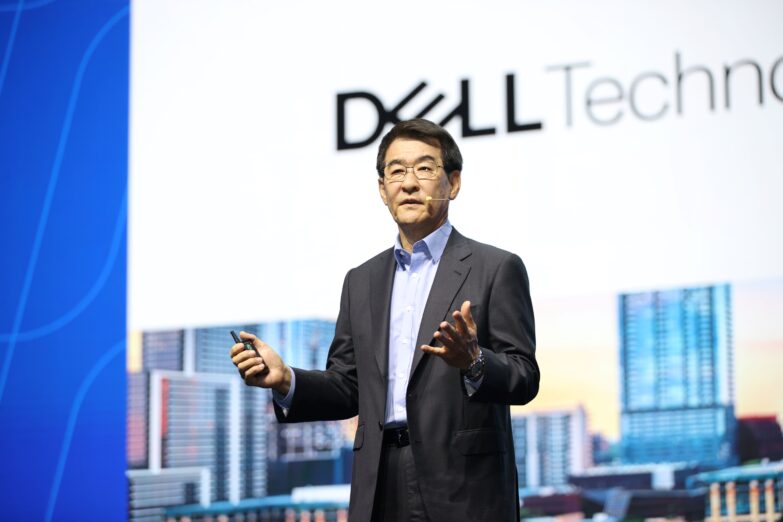
Korea: Infrastructure and Polarization Challenges South Korean media reports indicate that only about 30% of companies in Korea have adopted AI, placing the nation in an early stage compared to global peers. A Dell Technologies forum highlighted that 72% of Korean respondents believe their current data centers are insufficient for large-scale AI workloads. Furthermore, data from Ajunews shows a widening polarization: 40% of large corporations (revenue >$1B) have adopted AI agents, while small and medium enterprises lag significantly behind, exacerbating the digital divide.
Context & numbers
- Budget Overruns: IDC reports that 67% of enterprises have overrun their AI agent budgets, citing a lack of metering frameworks as the primary cause.
- Spending Transparency: Many companies cannot track which specific workflows drive AI costs, leading to inefficient spending. CIOs are increasingly tasked with establishing clear visibility into AI budget allocation.
- Off-Balance Sheet Commitments: Big Tech companies have committed to $3 trillion in off-balance-sheet AI spending, raising concerns about long-term financial sustainability and risk exposure.
On the radar
- Q3 Earnings Calls: Investors will be scrutinizing upcoming Q3 earnings calls for concrete disclosures on AI-driven headcount reductions and productivity metrics, following trends seen in Q4 2026 reports where some firms reduced headcount by ~35%.
- Gartner Predictions: Watch for updates on Gartner’s prediction that 40% of agentic AI projects will be canceled by the end of 2027 due to cost and complexity issues.
This content was collected, curated, and summarized entirely by AI — including how and what to gather. It may contain inaccuracies. Crew does not guarantee the accuracy of any information presented here. Always verify facts on your own before acting on them. Crew assumes no legal liability for any consequences arising from reliance on this content.
Powered by
