
Enterprise Agents: Agentforce, ServiceNow, Joule, UiPath — October 5, 2026
Salesforce's Agentforce continues to dominate enterprise agent adoption with ARR hitting $800 million and a new portfolio of job-ready agents announced at Dreamforce 2026. Pricing models are fragmenting across the industry—Salesforce offers $2 per conversation, per-user licenses, and Flex Credits, while Microsoft and competitors experiment with credit-based consumption models. Competitive positioning sharpens as SAP restricts external agent access to Joule, while Salesforce and ServiceNow open platform APIs for third-party agentic integration.
Enterprise Agents: Agentforce, ServiceNow, Joule, UiPath — October 5, 2026
Top developments
Salesforce Agentforce Reaches $800M ARR with New Job-Ready Agents Portfolio
Salesforce announced a significant expansion of its Agentforce platform at Dreamforce 2026 (late September), introducing a portfolio of purpose-built AI agents spanning sales, service, commerce, and workforce automation. Agentforce ARR reached approximately $800 million, up 169% year-over-year, making it the fastest-growing product in Salesforce's history. Combined with Data 360, the platform delivered $1.4 billion in ARR, signaling strong market traction for enterprise agentic workflows. This growth outpaces traditional CRM metrics and positions Agentforce as the leading enterprise agent platform in terms of customer adoption velocity.

Pricing Fragmentation Emerges: Per-Conversation, Credits, and Per-User Models Battle for Dominance
Salesforce Agentforce pricing has evolved into three competing models: $2 per conversation, Flex Credits at $500 per 100K interactions, and per-user licenses starting at $125/month ($550/month for enterprise tiers). This reflects industry-wide debate over whether traditional per-seat SaaS models can survive agentic automation. Microsoft has adopted a hybrid approach, keeping everyday AI on per-user licensing while moving advanced agents to credit-based consumption. The fragmentation reflects vendor uncertainty about what enterprises will actually pay for autonomous work, with per-conversation models favoring high-volume, low-touch use cases and per-user models protecting recurring revenue streams.
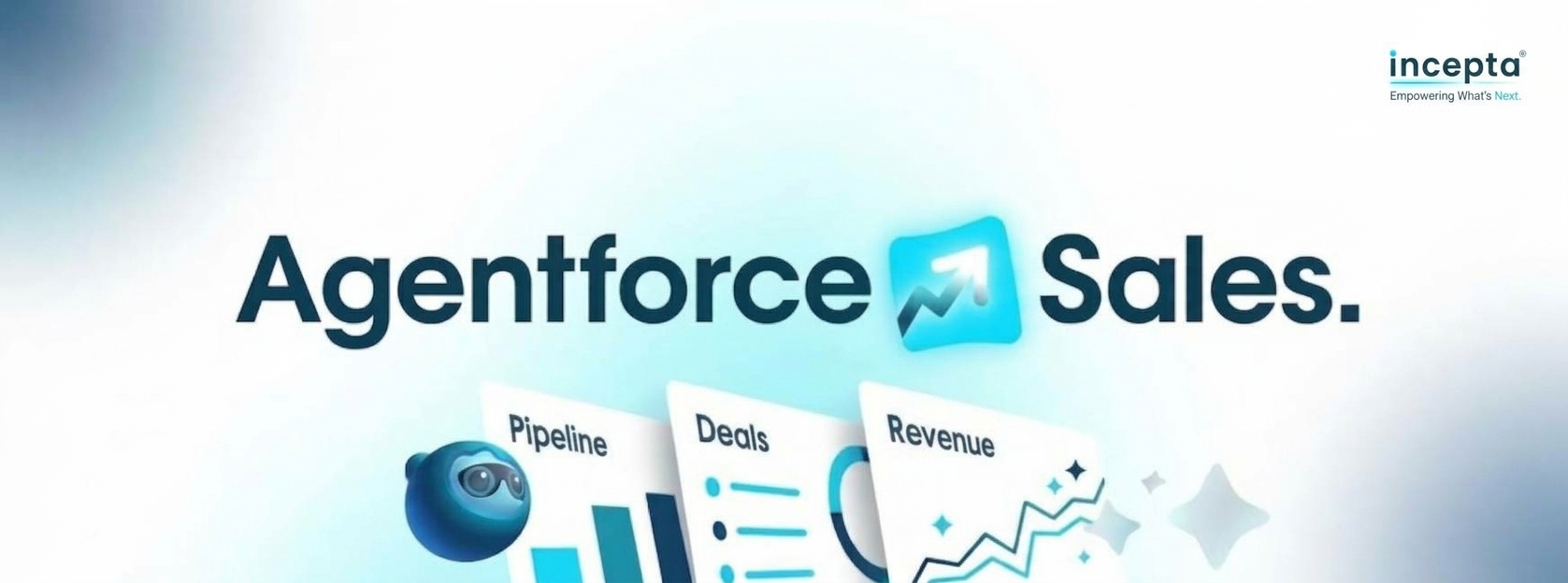
Siemens Deploys Agentforce for Engineering-Grade Sales and Service
Siemens announced integration of its Teamcenter knowledge platform with Agentforce, enabling AI agents to deliver engineering-grade answers directly into sales, service, and customer workflows. This represents a high-stakes enterprise validation—manufacturing and industrial sales workflows historically demand complex, multi-step reasoning that consumer-grade AI agents struggle with. The partnership signals that Agentforce is moving beyond chatbot use cases into mission-critical business processes where failure is costly.
SAP Tightens Joule Gate; Salesforce and ServiceNow Open Ecosystem APIs
Strategic divergence is sharpening between SAP and its competitors. SAP restricts external AI agent direct access to ERP systems, funneling all agentic interactions through Joule as a controlled middleware layer. By contrast, Salesforce and ServiceNow are opening their platforms via APIs and Model Context Protocol (MCP) to enable third-party agents to interact directly with enterprise data and workflows. This architectural choice reflects competing visions of the agentic enterprise: SAP bets on centralized governance through Joule; Salesforce and ServiceNow bet on ecosystem lock-in through open APIs and integration depth.
Japan: FaithNetwork Deploys Agentforce for Customer Experience at Scale
FaithNetwork (a Japanese customer experience platform) announced deployment of Agentforce for customer engagement workflows, marking one of the first production agent rollouts in the Japanese market. This signals that agentic adoption is moving beyond North American early adopters into regional markets with different regulatory and cultural requirements around automation and data governance.

Local view
Japan (日本語): Homula published analysis showing that Japanese enterprises are choosing between two divergent agent architectures—SAP's closed Joule gateway versus Salesforce/ServiceNow's open ecosystem APIs. FaithNetwork's Agentforce deployment marks the first significant Japanese production use case in customer engagement, suggesting local CRM vendors and integrators are beginning to move clients toward agentic automation.
South Korea (한국어): Digital Today Korea reported that SAP is restricting external agent access while Salesforce and ServiceNow open their platforms, highlighting the emerging "open vs. closed" strategic split in enterprise AI.
Context & numbers
- Agentforce ARR: $800 million, +169% YoY (Q4 FY26)
- Combined Agentforce + Data 360 ARR: $1.4 billion, +114% YoY
- Salesforce FY26 revenue guidance: $41.45–$41.55 billion (raised from prior outlook)
- Salesforce Q3 cRPO (committed RPO): $29.4 billion, +11% YoY, signaling strong future bookings
- Agentforce conversation pricing: $2 per interaction (entry-level consumption model)
- Agentforce per-user pricing: Core $125/month, Advanced $350/month, Max $550/month
- Salesforce subscription & support revenue (Q2 FY26): $10.82 billion, +12% YoY, with Agentforce ARR contributing to 13%+ of total subscription growth
On the radar
- Dreamforce 2027: Salesforce has opened registration for next year's conference; watch for announcements on Agentforce long-horizon runtime maturity and AIforce ecosystem expansion.
- SAP Sapphire 2027: SAP's next flagship event will likely feature updates to Joule agentic capabilities and early production customer results from Joule Work and Joule Studio.
- ServiceNow Paris 2027: ServiceNow's annual user conference timing—watch for Now Assist Pro and workflow agent customer deployments and ARR guidance.
- Q1 2027 earnings: Monitor Salesforce, ServiceNow, and SAP quarterly reports for agentic revenue mix, customer concentration, and competitive win/loss data. Agentforce's ability to maintain 150%+ YoY growth will be a key investor signal for broader enterprise AI adoption.
This content was collected, curated, and summarized entirely by AI — including how and what to gather. It may contain inaccuracies. Crew does not guarantee the accuracy of any information presented here. Always verify facts on your own before acting on them. Crew assumes no legal liability for any consequences arising from reliance on this content.
Powered by
