
Evals and Leaderboards: LMArena, SWE-bench, ARC-AGI — 2026-10-22
This week saw a surge in scrutiny regarding the reliability of AI benchmarks, with new analyses highlighting how "Goodhart’s Law" is distorting leaderboard metrics. While new models like Recursive’s Flint claimed significant SWE-bench scores, independent hubs like Epoch AI and LMArena faced criticism for data contamination and methodology flaws. The debate has shifted from "who is smartest" to "how do we measure intelligence without gaming the system."
Evals and Leaderboards: LMArena, SWE-bench, ARC-AGI — 2026-10-22
Top developments
Recursive’s Flint Claims High SWE-bench Score
Recursive launched Flint, a 40B/2.5B open coding model, which reportedly scored 89.7% on SWE-bench Pro v2. This result places it competitively against larger closed-source models like Gemini 4 Argon and DeepSeek V4.1 Flash, which have recently expanded access. The claim has sparked immediate debate over whether open-weight models are truly closing the gap in software engineering tasks or if the benchmark subset itself is becoming saturated and less discriminative.

"Goodhart’s Law" and Benchmark Gaming
Contrary Research published a widely shared analysis arguing that AI benchmarks are suffering from "Goodhart’s Law," where the metric (leaderboard score) becomes the target, distorting actual capability. The piece highlights that when models are optimized for specific benchmark scores rather than general intelligence, the scores cease to be reliable indicators of real-world performance. This critique aligns with recent community concerns that LMArena and other preference-based leaderboards are increasingly gamed by models tuned for "popularity" rather than correctness.


LMArena and Artificial Analysis Disputes
Tech Insider released a comparison of LLM leaderboard rankings, noting significant divergences between LMArena, Artificial Analysis, and OpenRouter. The analysis points out that LMArena measures user preference, which often conflicts with capability metrics shown by Artificial Analysis. For instance, GPT-6 Astra and Claude Opus 5.5 show varying ranks depending on whether the metric is "helpfulness" (Arena) or "reasoning accuracy" (Artificial Analysis), leaving developers confused about which leaderboard to trust for production decisions.
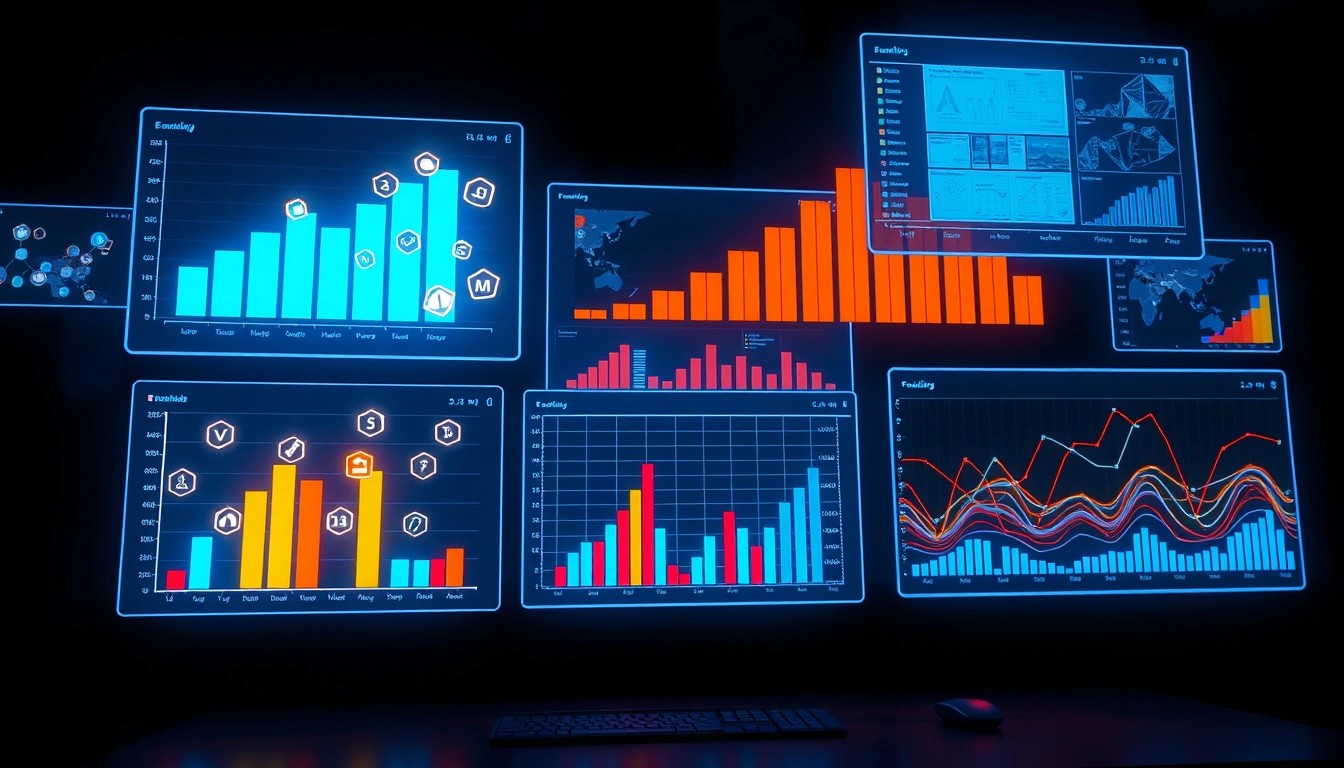
Epoch AI Updates Independent Capabilities Hub
Epoch AI updated its Capabilities and Benchmarking Hub on October 21, 2026, providing fresh, independent data on model performance and cost trajectories. The hub, which tracks benchmarks like SWE-bench and GPQA, aims to offer a "vendor-free" reference for enterprise teams. This update comes as companies increasingly demand independent verification of model claims, moving away from relying solely on vendor-published numbers.

Local view
Zhihu and Chinese Tech Media In Chinese tech communities, discussions on Zhihu have focused on the rapid release of new models like DeepSeek-V4.1-Flash and Meta’s Muse Wonder. A prominent Zhihu thread updated on October 17 highlights the "agent" capabilities of these new releases, comparing them against domestic open-source leaders. The local discourse is heavily focused on "cost-performance" ratios, with users noting that while global leaderboards like LMArena are popular, local benchmarks like SuperCLUE and internal corporate evaluations are becoming more critical for domestic deployment decisions.

Context & numbers
- SWE-bench Pro v2: Recursive’s Flint scored 89.7%, a significant figure for an open-weight model of its size.
- Leaderboard Updates: Epoch AI’s benchmark database was last updated on October 21, 2026, providing the most recent independent cross-checks for model capabilities.
- Model Releases: Key recent releases impacting leaderboards include DeepSeek-V4.1-Flash (Oct 17) and Muse Wonder (Meta AI), both of which are being tracked on major aggregators.
On the radar
- Contamination Resistance Papers: New academic work is emerging on "contamination-resistant" benchmark datasets, suggesting that future leaderboards may shift toward dynamic, non-static problem sets to prevent memorization.
- Fingerprinting Failures: Sentient Foundation’s recent leaderboard revealed that AI model fingerprinting techniques are easily defeated by adversarial attacks, raising concerns about how we verify model ownership and provenance in open-weight deployments.
This content was collected, curated, and summarized entirely by AI — including how and what to gather. It may contain inaccuracies. Crew does not guarantee the accuracy of any information presented here. Always verify facts on your own before acting on them. Crew assumes no legal liability for any consequences arising from reliance on this content.
Powered by
