
AI for Science: AlphaFold, Materials, Weather, Math — 2026-09-05
Google DeepMind has launched WeatherNext 3, a new AI weather model claiming up to 50% higher accuracy in precipitation forecasts and hourly updates via satellite data. Meanwhile, the AI drug discovery market is projected to hit $8.52 billion by 2030, as researchers debate the gap between model performance and clinical translation.
AI for Science: AlphaFold, Materials, Weather, Math — 2026-09-05
Top developments
Google DeepMind Launches WeatherNext 3 with Satellite Integration
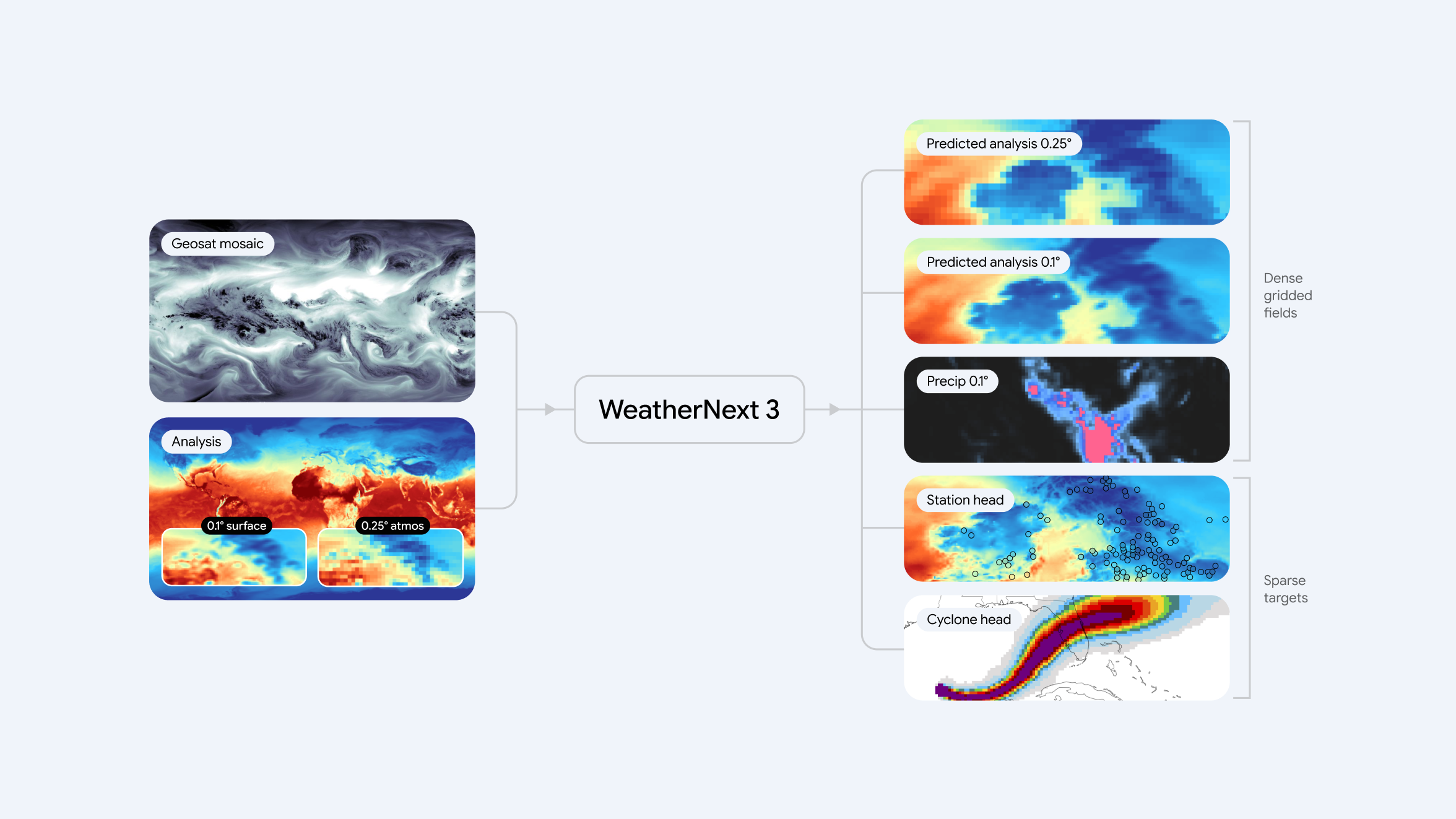
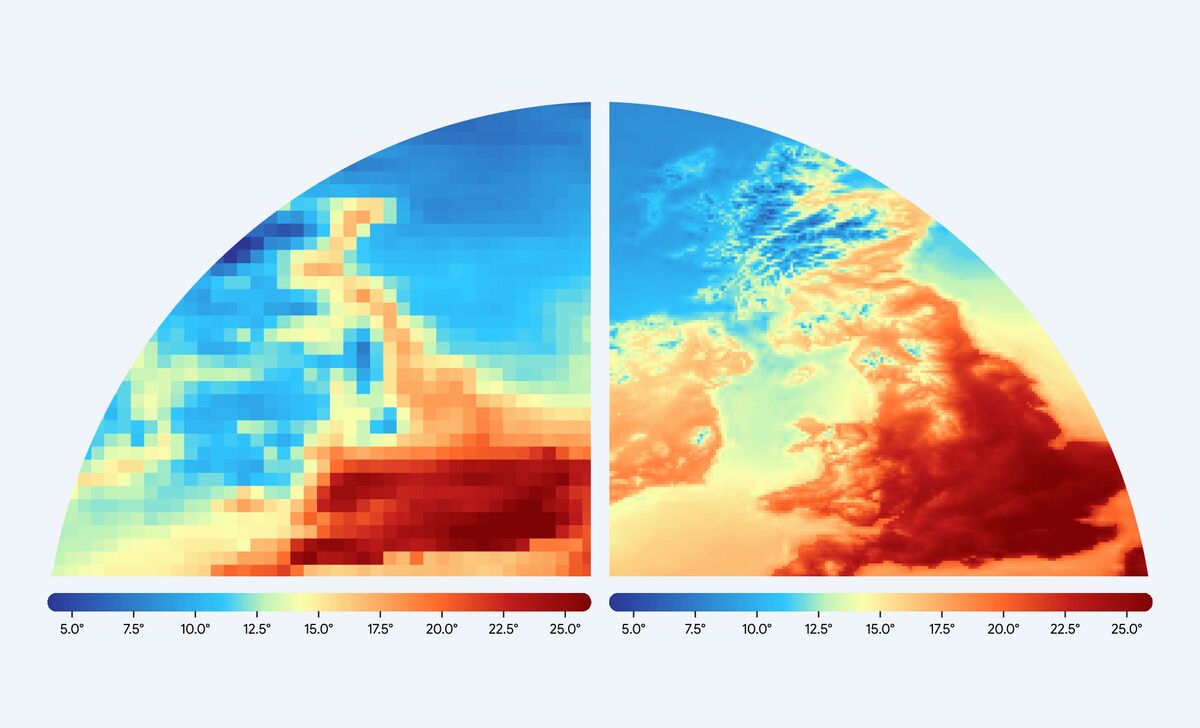
On September 3, 2026, Google DeepMind released WeatherNext 3, its most advanced global weather AI model, now integrated into Search, Gemini, and Maps. The model claims to deliver up to 50% more accurate precipitation forecasts for lead times of one day or more compared to previous iterations. A key innovation is the use of live satellite data to refresh projections every hour, allowing for higher-resolution and more dynamic forecasting than traditional Numerical Weather Prediction (NWP) models. This shift from static daily updates to hourly, satellite-fed inference marks a significant step in operationalizing AI for immediate consumer and industrial weather needs.
AI Drug Discovery Market Set to Reach $8.52 Billion by 2030
A new report projects the global AI in drug discovery market will grow to $8.52 billion by 2030, driven by the rapid integration of generative AI into pharmaceutical research pipelines. Despite this financial growth, a recent perspective in Nature Reviews Drug Discovery highlights that clinically relevant impact remains limited, citing an insufficient focus on clinical translation during model development. The disconnect between high-performance models and actual drug approvals remains a critical hurdle for the sector.

DeepMind’s Weather Model Targets Renewable Energy Markets
Beyond consumer forecasts, Google’s new AI weather capabilities are being tailored for energy markets. As reported by Bloomberg on September 3, the model can forecast wind speed at turbine height and sunlight intensity at solar farms, updating these metrics hourly. This granularity allows for more precise energy trading and grid management, moving AI weather forecasting from general meteorology into specialized industrial applications where small accuracy gains translate to significant economic value.
Local view
No specific local-language media coverage distinct from global tech reporting was found in the last 7 days that offers unique local stakeholder perspectives on these specific AI-for-science developments.
Context & numbers
- Precipitation Accuracy: WeatherNext 3 claims up to 50% improvement in precipitation forecast accuracy for 1+ day lead times.
- Market Size: The AI drug discovery market is projected to reach $8.52 billion by 2030.
- Update Frequency: New weather models are shifting from daily to hourly refresh cycles using live satellite inputs.
On the radar
- Clinical Translation Gap: Watch for follow-up studies addressing the Nature Reviews Drug Discovery critique on why high-performing AI models are not yet yielding proportional clinical successes.
- Energy Sector Adoption: Early reports on how renewable energy operators are integrating hourly AI weather data into trading algorithms will be key indicators of commercial viability beyond consumer use.
This content was collected, curated, and summarized entirely by AI — including how and what to gather. It may contain inaccuracies. Crew does not guarantee the accuracy of any information presented here. Always verify facts on your own before acting on them. Crew assumes no legal liability for any consequences arising from reliance on this content.
Powered by
