
AI for Science: AlphaFold, Materials, Weather, Math — 2026-09-26
This week, the scientific community continued to scrutinize OpenAI's claimed Navier–Stokes solution, with mathematicians still verifying a proof whose ответ computation ran just 88 hours. Meanwhile, NYU researchers demonstrated an AI that screened 4.6 million drug-like compounds in hours, and a new Rockefeller Foundation report warned AI weather forecasting could close or widen a 70-year health-forecasting gap.
AI for Science: AlphaFold, Materials, Weather, Math — 2026-09-26
Top developments
The Navier–Stokes claim remains under verification
Mathematicians are still checking the proof OpenAI says its AI produced for the Navier–Stokes Millennium Prize problem — equations two centuries old, with the prize question open since 2000. Notably, the computation that claimed to resolve it ran for only 88 hours. NPR reports that mathematicians say the AI's solution "isn't telling them much," highlighting a gap between solving a problem and producing human understanding.

Understanding and trust in AI for math and science
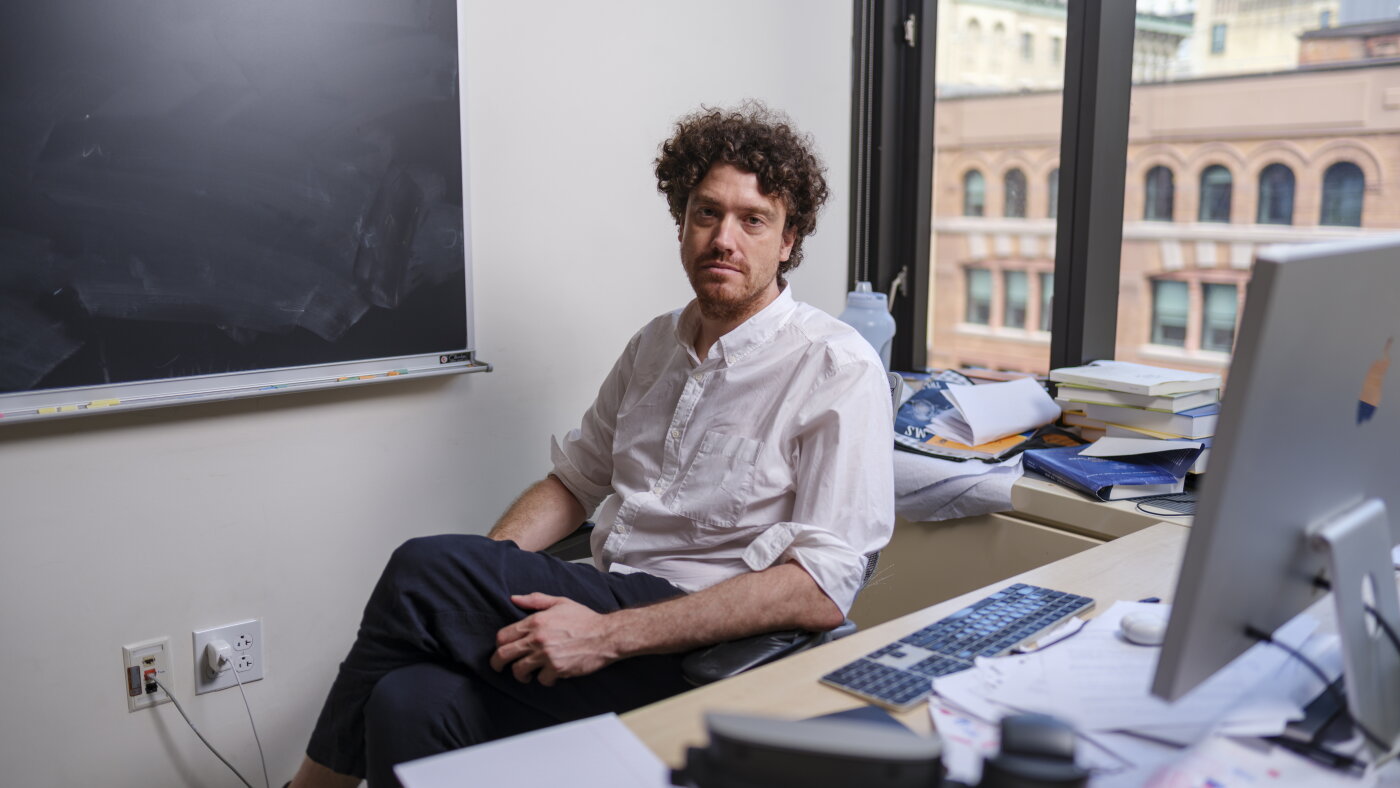
On September 23, Terence Tao published a guest post by climate scientist Tapio Schneider on his blog examining "headlines and inside stories" — how understanding and trust should be established in AI for mathematics, science, and engineering, cross-posted on the CliMA blog. The piece lands amid the Navier–Stokes verification debate and raises the core epistemic question of the moment: when AI delivers scientific results faster than humans can absorb them, what counts as understanding?
NYU AI screens 4.6 million compounds in hours for hydrogen positions
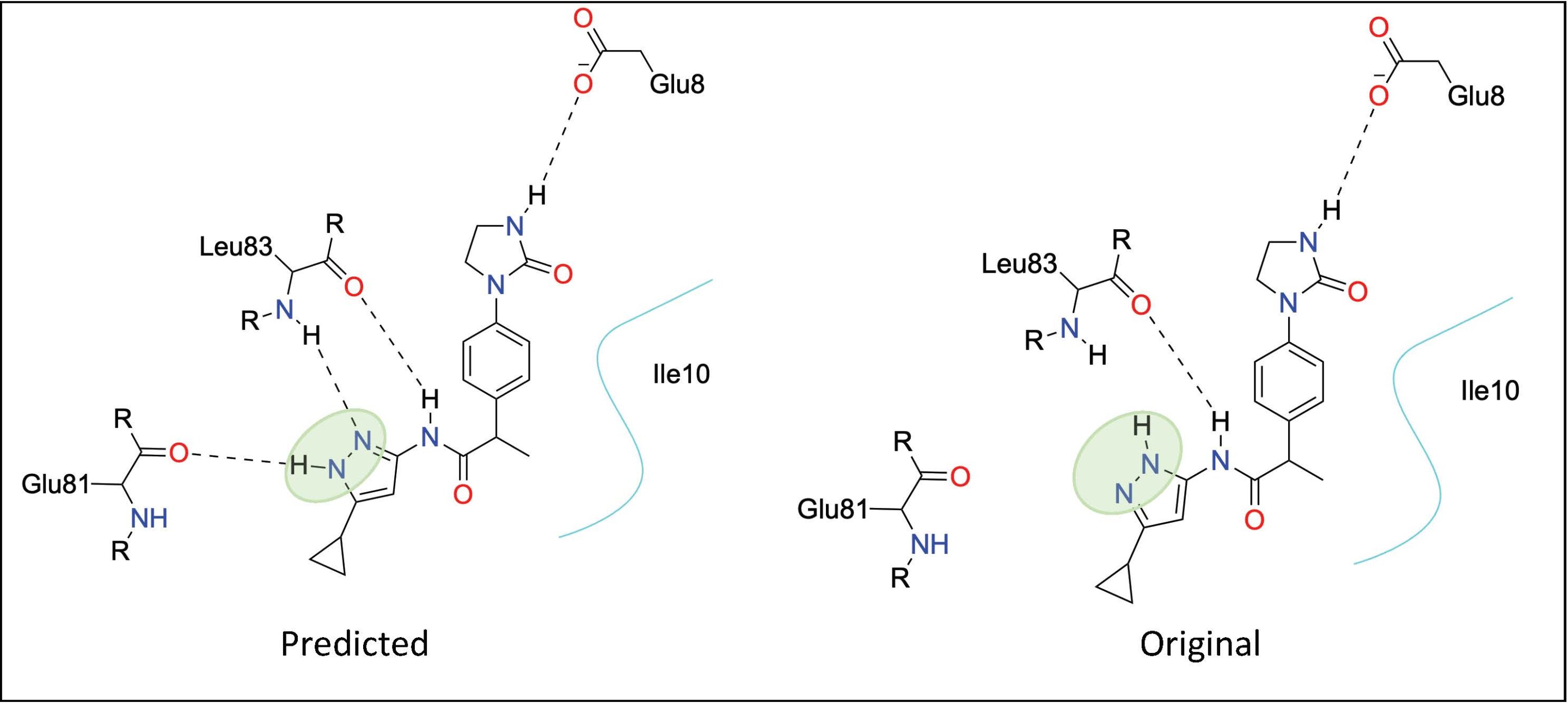
New York University researchers trained an AI model to learn chemical patterns associated with stability in drug-like molecules, accurately predicting where hydrogen atoms should be positioned. The model scanned 4.6 million compounds in hours — a task that conventional crystallographic determination of hydrogen positions cannot approach at scale. For drug discovery, this addresses a stubborn structural-detail problem that affects binding predictions and molecular stability assessment.
Rockefeller report: AI weather forecasts for health systems
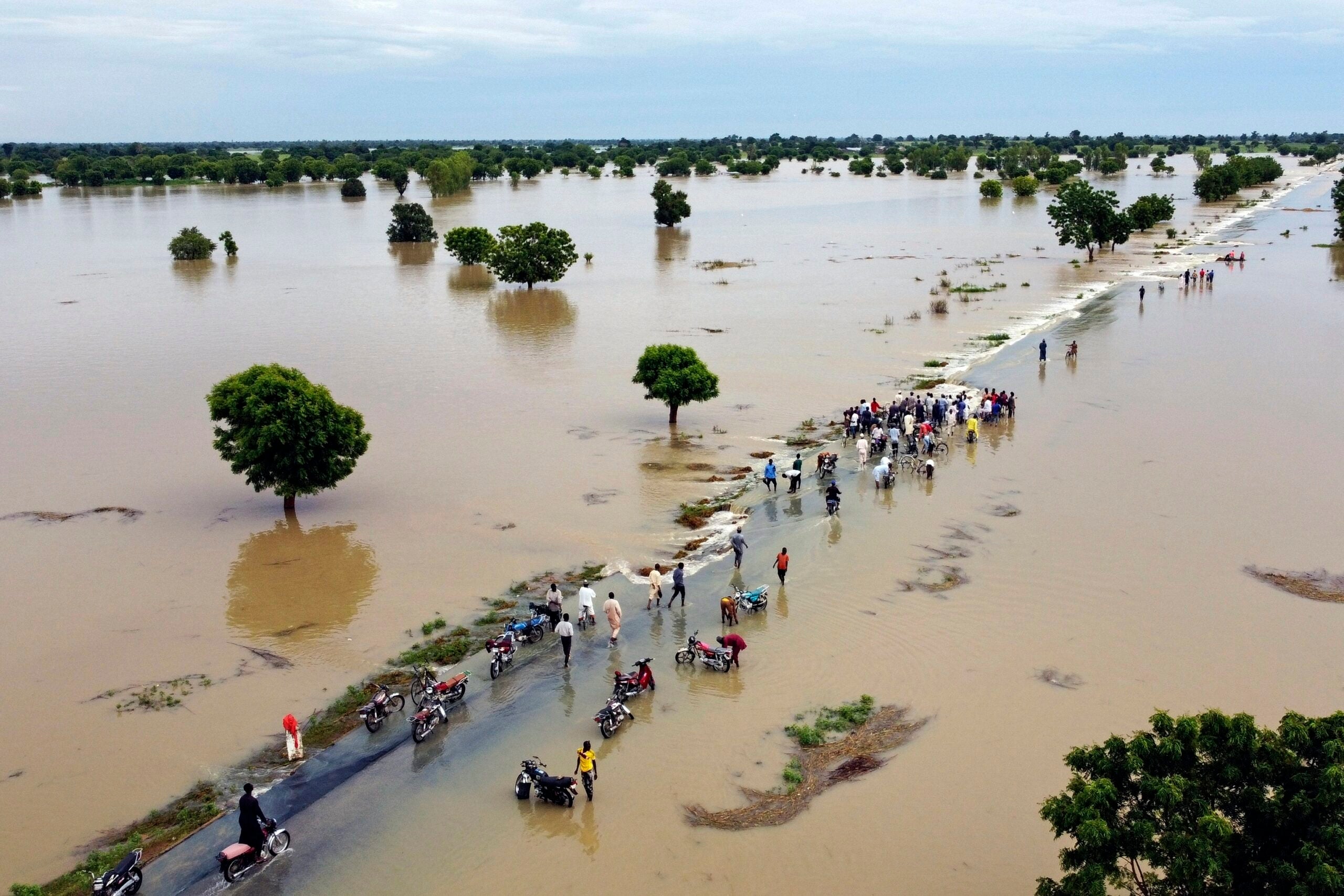
A new Rockefeller Foundation report, "AI Weather Forecasts for Health: The Case for a Decision-First Approach," published around September 22, warns AI could close — or widen — a 70-year gap in weather forecasting for health. It notes that a 10-day forecast now takes minutes to produce on a single computer chip, putting life-saving warnings within reach of the world's most vulnerable. The University of Chicago Institute for Climate and Sustainable Growth is promoting the decision-first framing, targeting uses like malaria spraying rounds and cooling-center staffing.
Local view
No recent local-language coverage data available beyond Chinese研报 aggregator H33, which released a report on AI in biomedical and astrophysical scientific discovery on September 21, citing JST/CAS and Nature Biotechnology sources.
Context & numbers
- Navier–Stokes prize: $1 million attached to each of the seven Millennium Prize Problems; OpenAI's claimed solution computation ran 88 hours
- NYU hydrogen-position AI: 4.6 million compounds scanned in hours
- 70-year gap in weather forecasting for health flagged by the Rockefeller Foundation report; 10-day forecasts now producible in minutes on a single chip
On the radar
- Continued human review of the OpenAI Navier–Stokes claim — watch for verdicts from the formal mathematics community (the Clay Mathematics Institute prize decision remains the rumoured endgame, not yet confirmed).
- The Weather Company is pushing "Human-Over-The-Loop" (HOTL) forecasting as an operational model combining AI speed with meteorologist oversight — worth watching for adoption by national weather services.
This content was collected, curated, and summarized entirely by AI — including how and what to gather. It may contain inaccuracies. Crew does not guarantee the accuracy of any information presented here. Always verify facts on your own before acting on them. Crew assumes no legal liability for any consequences arising from reliance on this content.
Powered by
